Piper, KS · Wyandotte County
Basement Water Damage Restoration in Piper, KSBasement Dehumidification & Basement Wall Drying
Basement Water Damage Restoration in Piper runs from basement water extraction and basement floor water removal to basement dehumidification.
Answered 24/7
Expert Basement Water Damage Restoration Serving Piper
Water in a basement does not stay on the floor. It wicks up drywall, soaks insulation and seeps into wood framing. In Piper, a few inches of water can damage walls up to two feet high.
For homes with a basement in Piper, part of Kansas City, water below grade often comes from plumbing leaks or seepage during storms. Help with basement water damage restoration covers Piper, Basehor, Bonner Springs and Edwardsville.
Basement Water Damage Restoration Solutions Available in Piper
Basement Dehumidification
A basement with no moisture problem before the flood may still need a dehumidifier afterward while the concrete dries.
Basement Wall Drying
Finished basement walls hide wet insulation and framing. Removing the bottom of the drywall lets air reach the cavity.
Basement Drying Services
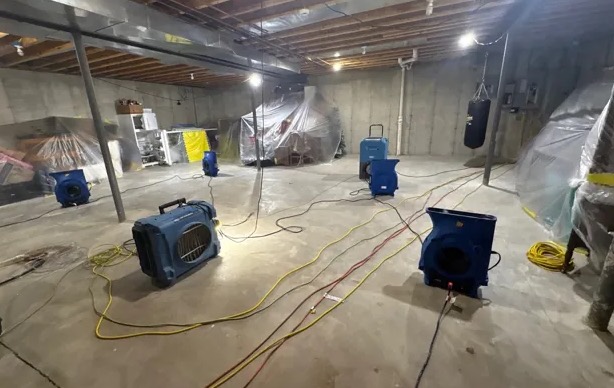
Air movers and dehumidifiers are placed to dry walls, framing and the slab. Below-grade rooms dry slowly, so readings are taken daily.
Basement Sewer Backup Cleanup
After a sewer backup, cleanup and disinfection come before drying, so contaminated surfaces are not left in place.
Emergency Basement Flood Cleanup
A flooded basement can damage furnaces, water heaters and stored items quickly. Fast pumping limits how much is lost.
Warning Signs You Need Basement Water Damage Restoration
Sewage Odors or Backups
Sewage smells or water coming up through a floor drain mean the sewer line is backing up.
Warped or Buckling Basement Floors
Laminate, wood or vinyl flooring that buckles or lifts in the basement has water underneath.
Efflorescence on Concrete Walls
White, chalky deposits on concrete walls mean water is moving through the concrete and leaving minerals behind.
High Humidity Levels Below-Grade
A basement that stays damp and clammy even on dry days has a moisture source that needs attention.
How Basement Water Damage Restoration Works in Piper
Step 1: Source Control and Extraction
The pipe is shut off, the sump restarted or the backup stopped, then the water is pumped out.
Step 2: Structural Drying Setup
Lower drywall is removed where soaked, and equipment is placed to dry wall cavities and the slab.
Step 3: Contaminant Removal
Materials touched by sewage or dirty water are removed and hard surfaces are cleaned and disinfected.
Step 4: Monitoring and Completion
Daily readings track drying until every material is normal, then equipment is removed.
Typical Sources of Basement Water Damage in Piper
Sewer Line Backups
A blocked or overloaded sewer line pushes wastewater up through basement drains and toilets.
Foundation Cracks and Leaks
Cracks in foundation walls let groundwater and melting snow seep into the basement.
Window Well Flooding
Window wells without drains or covers fill with rain and leak through basement windows.
Sump Pump Mechanical Failure
A sump pump that fails, loses power or is too small lets groundwater rise into the basement.
Residential and Commercial Basement Water Damage Restoration in Piper
Residential Basement Water Damage Restoration
In homes, a flooded basement often means damaged carpet, drywall, a furnace or water heater and stored belongings. Water is pumped out, contents are moved and the space is dried.
Commercial Basement Water Damage Restoration
In commercial buildings, basements hold mechanical rooms, storage and sometimes offices. Water is removed and equipment areas are dried so systems can be checked and restarted.
Basement Water Damage Restoration vs. DIY: When to Call the Pros
Sewage in a basement should not be cleaned up without gloves, boots and eye protection. For any backup through a floor drain or toilet, call local water damage pros.
Cost Considerations for Basement Water Damage Restoration in Piper
Waterproofing or sump pump replacement is a separate cost from water removal and drying. In Piper, both may be needed to prevent a repeat.
Affected Square Footage
Larger basements need more extraction, more drying equipment and more days of drying time.
Material Saturation
Finished basements with carpet, drywall and insulation take more removal work than bare concrete.
Water Category
Clean water costs less to handle than sewage, which needs protective gear, removal and disinfection.
Does Insurance Cover Basement Water Damage Restoration?
Flood damage from rising outside water usually needs flood insurance. Water from inside the home, like a broken pipe, is more often covered.
Advantages of Hiring Local Pros in Piper for Basement Water Damage Restoration
Water Extraction First
Water is removed from floors, carpet and pad before drying starts, which shortens drying time.
Detailed Documentation
Photos, readings and drying logs are kept to support your insurance claim.
Structural Integrity Assessment
Walls, stairs and framing are checked for damage before work begins in the basement.
24/7 Emergency Basement Water Damage Restoration for Piper
Every hour of standing water in a basement means more drywall and flooring to replace. Call (816) 355-6039 for basement water damage restoration in Piper.
Call Now (816) 355-6039Local Basement Water Damage Restoration Coverage: Piper and Beyond
Other places served are listed below, each with its own page.
- Basement Water Damage Restoration in Basehor
- Basement Water Damage Restoration in Bonner Springs
- Basement Water Damage Restoration in Edwardsville
- Basement Water Damage Restoration in Lansing
- Basement Water Damage Restoration in Lake Quivira
- Basement Water Damage Restoration in Grandview
- Basement Water Damage Restoration in Lenexa
- Basement Water Damage Restoration in Blue Springs
Your Basement Water Damage Restoration Questions Addressed
What health risks come with delayed basement flood cleanup?
Standing water and wet materials can support bacteria and microbial growth, and sewage carries contaminants that need disinfection.
What is the purpose of basement wall drying?
To remove water from drywall, insulation, framing and concrete so the walls can be repaired without trapping moisture.
What is involved in basement water damage restoration?
Pumping out water, removing soaked materials, cleaning contaminated areas, drying walls, framing and concrete, and dehumidifying until readings are normal.
What are signs of hidden moisture after below-grade water extraction?
Musty smells, tide lines on walls, damp carpet edges and moisture readings that stay high in walls or the slab.
Does basement mold prevention need special steps after flooding?
Fast drying is the main step. Wood and concrete that stayed wet can be treated with an antimicrobial once dry.