Lansing, KS · Leavenworth County
Basement Water Damage Restoration in Lansing, KSBasement Water Extraction & Basement Mold Prevention
Homeowners in Lansing get Basement Water Damage Restoration for emergency basement flood cleanup, basement wall drying and basement mold prevention.
Answered 24/7
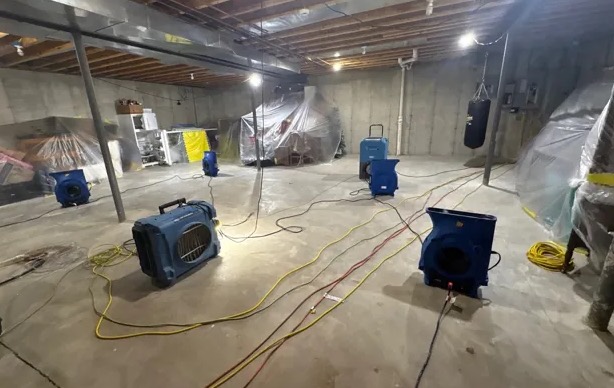
Basement Water Damage Restoration Solutions in Lansing, Kansas
Basement Water Damage Restoration in Lansing usually involves two parts: the emergency work of removing water and the slower work of drying a below-grade space. Both matter for keeping repairs small.
In Lansing, a home with a basement or below-grade room can flood after heavy rain or a blocked sewer line. Local water damage pros serve Lansing, Leavenworth, Piper and Basehor, pumping out water and drying finished and unfinished spaces.
Basement Water Damage Restoration Solutions Available in Lansing
Basement Water Extraction
Extraction starts at the lowest point, often near the floor drain or sump, and works outward until no pooled water remains.
Basement Mold Prevention
After drying, an antimicrobial can be applied to framing and concrete that were wet, to slow mold on surfaces that stay in place.
Emergency Basement Flood Cleanup
A flooded basement can damage furnaces, water heaters and stored items quickly. Fast pumping limits how much is lost.
Basement Dehumidification
Dehumidification continues until humidity and material readings are normal. Turning it off too early lets moisture return.
Basement Floor Water Removal
Wet carpet pad is removed from basement floors, since it holds water against the concrete and dries poorly.
Signs of Basement Water Damage in Lansing
High Humidity Levels Below-Grade
A basement that stays damp and clammy even on dry days has a moisture source that needs attention.
Sewage Odors or Backups
Sewage smells or water coming up through a floor drain mean the sewer line is backing up.
Warped or Buckling Basement Floors
Laminate, wood or vinyl flooring that buckles or lifts in the basement has water underneath.
Wet or Stained Basement Walls
Dark, wet patches or tide lines on basement walls show where water seeped in or wicked up.
How Basement Water Damage Restoration Works in Lansing
Step 1: Initial Assessment and Water Removal
The source and type of water are identified, and standing water is removed right away.
Step 2: Focused Drying of Materials
Walls, framing and the slab are dried with directed airflow, with wet insulation removed.
Step 3: Air Quality Management
Air scrubbers filter dust and odors from removal work while drying continues.
Step 4: Documentation for Restoration
Photos, readings and a list of removed materials are prepared for insurance and rebuilding.
Why Basement Water Damage Occurs in Lansing
Sump Pump Mechanical Failure
A sump pump that fails, loses power or is too small lets groundwater rise into the basement.
Plumbing Pipe Bursts or Leaks
Supply lines and drain pipes in basement ceilings can crack or burst onto the floor below.
Stormwater Runoff Into Lower Levels
Heavy rain running off hard ground or a sloped yard can pour down stairwells and under doors into below-grade rooms.
Sewer Line Backups
A blocked or overloaded sewer line pushes wastewater up through basement drains and toilets.
Basement Water Damage Restoration for Homes and Businesses in Lansing
Residential Basement Water Damage Restoration
A sewer backup in a home basement needs contaminated carpet, pad and drywall removed and every hard surface disinfected before drying.
Commercial Basement Water Damage Restoration
In restaurants and stores with basements, sewage backups need fast containment so contamination does not reach food or customer areas.
DIY vs. Professional Basement Water Damage Restoration in Lansing
Sewage in a basement should not be cleaned up without gloves, boots and eye protection. For any backup through a floor drain or toilet, call local water damage pros.
Factors Affecting Basement Water Damage Restoration Cost in Lansing
Sewage cleanup, finished walls, storm-night calls and damaged appliances all add to the total for basement water damage restoration in Lansing.
Water Category
Clean water costs less to handle than sewage, which needs protective gear, removal and disinfection.
Drying Time Required
Basements dry slowly, and longer drying means more equipment days and monitoring visits.
Emergency Service
Night, weekend and storm calls can cost more than a scheduled visit.
Does Insurance Cover Basement Water Damage Restoration?
Photos, moisture readings and drying logs from the pros help support an insurance claim for basement water damage in Lansing.
Advantages of Hiring Local Pros in Lansing for Basement Water Damage Restoration
Containment Strategies
Plastic sheeting keeps contaminated areas separate from clean parts of the house.
24/7 Emergency Response
Help is available day or night when water is rising in the basement.
Mold Prevention Focus
Fast drying is the main way to limit microbial growth in a below-grade space.
Lansing Emergency Basement Water Damage Restoration Response
Every hour of standing water in a basement means more drywall and flooring to replace. Call (816) 355-6039 for basement water damage restoration in Lansing.
Call Now (816) 355-6039Regions Served for Basement Water Damage Restoration Near Lansing
Basement water removal and drying also cover homes and buildings in Leavenworth, Piper and Basehor, close to Lansing, day or night.
- Basement Water Damage Restoration in Leavenworth
- Basement Water Damage Restoration in Piper
- Basement Water Damage Restoration in Basehor
- Basement Water Damage Restoration in Platte City
- Basement Water Damage Restoration in Weatherby Lake
- Basement Water Damage Restoration in Bonner Springs
- Basement Water Damage Restoration in Tonganoxie
- Basement Water Damage Restoration in Edwardsville
- Emergency Damage Restoration in 66043
- Storm Damage Restoration in 66043
- Water Damage Restoration in 66043
- Water Extraction Service in 66043
- Water Leak Detection in 66043
- Water Removal Service in 66043
FAQ for Basement Water Damage Restoration in Lansing
Can wet basement drywall be saved after water damage?
Sometimes, if the water was clean and removed quickly. Soaked or sewage-contaminated drywall is cut out above the water line.
What causes the most common below-grade leaks in homes?
Sump pump failures, foundation cracks, clogged drain tile, sewer backups and burst pipes in the basement ceiling.
Does basement mold prevention need special steps after flooding?
Fast drying is the main step. Wood and concrete that stayed wet can be treated with an antimicrobial once dry.
What health risks come with delayed basement flood cleanup?
Standing water and wet materials can support bacteria and microbial growth, and sewage carries contaminants that need disinfection.
How is basement sewer backup cleanup different from regular flooding?
Sewage carries bacteria, so it needs protective gear, removal of porous materials and disinfection before drying.