Basehor, KS · Leavenworth County
Basement Water Damage Restoration in Basehor, KSBasement Water Extraction & Emergency Basement Flood Cleanup
Basement Water Damage Restoration in Basehor runs from basement water extraction and basement floor water removal to basement dehumidification.
Answered 24/7
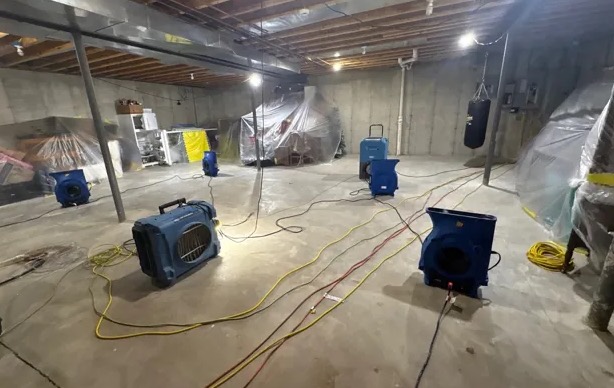
Basement Water Damage Restoration Solutions in Basehor, Kansas
Basement Water Damage Restoration in Basehor usually involves two parts: the emergency work of removing water and the slower work of drying a below-grade space. Both matter for keeping repairs small.
Homes in Basehor and nearby Piper, Bonner Springs and Lansing with basements deal with seepage, plumbing leaks and sewer backups. Help with basement water damage restoration covers pumping, removal of wet materials and drying of walls and concrete.
The Basement Water Damage Restoration Process in Basehor
Basement Water Extraction
Submersible pumps remove deep standing water, then portable extractors pull water from carpet, pad and the concrete floor.
Emergency Basement Flood Cleanup
Help is available any hour when water is rising in the basement from a burst pipe, a sewer backup or heavy rain.
Basement Sewer Backup Cleanup
Sewage that backs up through a floor drain or toilet is extracted with protective gear, and the area is contained from the rest of the house.
Basement Floor Water Removal
Water on a concrete floor is squeegeed and extracted, and floor coverings such as carpet, vinyl or laminate are lifted to dry the slab.
Basement Drying Services
Drying a basement takes longer than drying an upper floor because the air is cool and the concrete holds moisture.
When to Consider Basement Water Damage Restoration for Your Basehor Home
High Humidity Levels Below-Grade
A basement that stays damp and clammy even on dry days has a moisture source that needs attention.
Efflorescence on Concrete Walls
White, chalky deposits on concrete walls mean water is moving through the concrete and leaving minerals behind.
Mold on Surfaces
Dark spots on drywall, framing or stored boxes mean the area has stayed wet for days.
Sewage Odors or Backups
Sewage smells or water coming up through a floor drain mean the sewer line is backing up.
How Basement Water Damage Restoration Works in Basehor
Step 1: Source Control and Extraction
The pipe is shut off, the sump restarted or the backup stopped, then the water is pumped out.
Step 2: Structural Drying Setup
Lower drywall is removed where soaked, and equipment is placed to dry wall cavities and the slab.
Step 3: Contaminant Removal
Materials touched by sewage or dirty water are removed and hard surfaces are cleaned and disinfected.
Step 4: Monitoring and Completion
Daily readings track drying until every material is normal, then equipment is removed.
What Causes Basement Water Damage Restoration in Basehor
Foundation Cracks and Leaks
Cracks in foundation walls let groundwater and melting snow seep into the basement.
Sewer Line Backups
A blocked or overloaded sewer line pushes wastewater up through basement drains and toilets.
Water Heater or Appliance Leaks
Water heaters, washers and utility sinks in the basement can leak or fail without warning.
Faulty Basement Waterproofing
Old or failed waterproofing on foundation walls lets water through during wet weather.
Residential and Commercial Basement Water Damage Restoration in Basehor
Residential Basement Water Damage Restoration
Homeowners with older basements may have seepage that returns with each storm. Drying fixes the current damage, and the source is noted for a waterproofing contractor.
Commercial Basement Water Damage Restoration
Apartment and condo buildings with shared basements or lower levels may have laundry and storage below grade. Each area is extracted, dried and recorded for the building manager.
Professional Basement Water Damage Restoration or DIY in Basehor?
You can move belongings off the floor and run a household dehumidifier. Drying soaked walls and slabs needs larger equipment and moisture readings to confirm the space is truly dry.
Understanding Basement Water Damage Restoration Pricing in Basehor
Sewage cleanup, finished walls, storm-night calls and damaged appliances all add to the total for basement water damage restoration in Basehor.
Water Category
Clean water costs less to handle than sewage, which needs protective gear, removal and disinfection.
Emergency Service
Night, weekend and storm calls can cost more than a scheduled visit.
Drying Time Required
Basements dry slowly, and longer drying means more equipment days and monitoring visits.
Does Insurance Cover Basement Water Damage Restoration?
Coverage for groundwater seepage and backups varies widely between policies. Ask your adjuster whether your policy includes it before work begins.
Benefits of Local Pros for Basement Water Damage Restoration in Basehor
Mold Prevention Focus
Fast drying is the main way to limit microbial growth in a below-grade space.
Containment Strategies
Plastic sheeting keeps contaminated areas separate from clean parts of the house.
Industrial-Grade Equipment
Pumps, extractors and large dehumidifiers remove water much faster than household wet vacs and fans.
Basehor Emergency Basement Water Damage Restoration Response
Water rising in your basement in Basehor? Shut off power to the basement if it is safe, move what you can and call (816) 355-6039. Help is available 24/7.
Call Now (816) 355-6039Basement Water Damage Restoration Serving Basehor, Piper, Bonner Springs and Lansing
Besides Basehor, local water damage pros handle basement pumping, drying and dehumidification in nearby Piper, Bonner Springs and Lansing.
- Basement Water Damage Restoration in Piper
- Basement Water Damage Restoration in Bonner Springs
- Basement Water Damage Restoration in Lansing
- Basement Water Damage Restoration in Tonganoxie
- Basement Water Damage Restoration in Edwardsville
- Basement Water Damage Restoration in Linwood
- Basement Water Damage Restoration in Leavenworth
- Basement Water Damage Restoration in Clearview City
- Emergency Damage Restoration in 66007
- Storm Damage Restoration in 66007
- Water Damage Restoration in 66007
- Water Extraction Service in 66007
- Water Leak Detection in 66007
- Water Removal Service in 66007
Basement Water Damage Restoration Common Questions Answered
Why is quick action important for below-grade flood restoration?
Basements dry slowly, so every hour of standing water adds days of drying and more material to replace.
What is the purpose of basement wall drying?
To remove water from drywall, insulation, framing and concrete so the walls can be repaired without trapping moisture.
Can wet basement drywall be saved after water damage?
Sometimes, if the water was clean and removed quickly. Soaked or sewage-contaminated drywall is cut out above the water line.
What causes the most common below-grade leaks in homes?
Sump pump failures, foundation cracks, clogged drain tile, sewer backups and burst pipes in the basement ceiling.
What health risks come with delayed basement flood cleanup?
Standing water and wet materials can support bacteria and microbial growth, and sewage carries contaminants that need disinfection.