Lansing, KS · Leavenworth County
Moisture Detection Services in Lansing, KSPost-Flood Moisture Assessment & Wall Cavity Moisture Detection
Moisture Detection Services in Lansing handles pinless moisture meter testing, structural drying verification and wall cavity moisture detection.
Answered 24/7
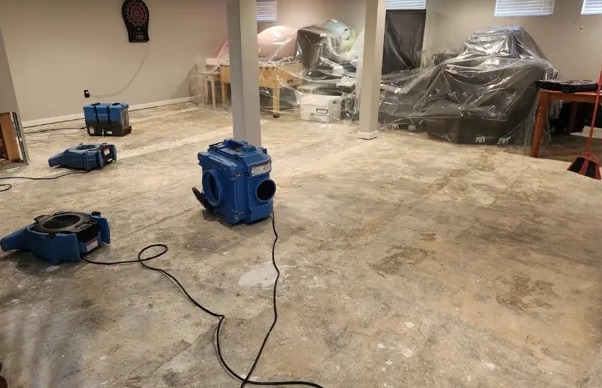
Expert Moisture Detection Services Available in Lansing
Undetected moisture can compromise structural integrity and indoor air quality in Lansing. Local moisture detection pros use infrared scanning and pinless meter testing to identify wet spots.
Properties in Lansing and nearby areas like Leavenworth, Piper and Basehor benefit from precise moisture detection services to address hidden water damage. The pros use infrared moisture scanning and pinless meter testing to identify dampness in walls and floors, helping prevent mold and structural issues.
Comprehensive Moisture Detection Services for Lansing
Post-Flood Moisture Assessment
The post-flood assessment creates the roadmap for restoration. By documenting moisture levels throughout the space, the pros in Lansing can execute a thorough, efficient drying process tailored to your specific situation.
Wall Cavity Moisture Detection
Wall cavities are a primary area for hidden water damage. Accurate detection here by the pros in Lansing prevents long-term issues and ensures the drying plan addresses the full extent of the intrusion.
Subfloor Moisture Inspection
The subfloor inspection provides concrete data on a hidden but essential part of a home. The pros in Lansing rely on this information to protect the investment and ensure a stable floor.
Structural Drying Verification
The experts take final readings to show the drying is complete, which gives you a record to share with your insurance adjuster.
Pinless Moisture Meter Testing
Pinless moisture meter testing measures surface moisture content without punctures. It gives instant readings on drywall, wood, and concrete, indicating where deeper investigation or drying is needed.
Symptoms Calling for Moisture Detection Services in Lansing
Condensation on Windows or Pipes
Excessive condensation forms on cold surfaces. This often suggests high moisture levels within the building envelope.
Recent Plumbing Leak or Flood
After any past water incident, dampness can linger unseen in walls and floors and should be checked with meters.
Spongy Drywall or Soft Spots
Walls or ceilings feel soft or damp to the touch. This sponginess means structural materials have absorbed significant water.
Visible Mold or Mildew Growth
Patches of black, green or white spots are usually mold growing where moisture has been sitting.
How Moisture Detection Services Work in Lansing
Step 1: Infrared Moisture Scan
The pros begin with a non-invasive infrared scan of the affected areas. This technology reveals temperature differences that indicate hidden moisture behind surfaces.
Step 2: Pinless Meter Verification
Pros then use pinless moisture meters to verify the scan results without piercing materials. This step provides accurate moisture meter readings for wall cavities and subfloors.
Step 3: Moisture Mapping Documentation
All detected wet areas are carefully mapped to create a moisture map of the property. This documentation is essential for planning drying and for your insurance claim.
Step 4: Structural Drying Assessment
Finally, pros perform a structural drying assessment to establish drying goals. This determines if specialized drying equipment is needed to achieve material dryness verification.
What Leads to Needing Moisture Detection Services in Lansing
Flooding From External Sources
Heavy rain or nearby flooding can push water into a building, and it often soaks further than it appears.
Foundation Cracks and Water Intrusion
Cracks in the foundation or slab let groundwater seep in. This leads to persistent subfloor moisture problems.
Poor Ventilation and Condensation
Inadequate airflow in bathrooms or kitchens traps humidity. This moisture condenses inside walls.
Roof Leaks and Storm Damage
Missing shingles or damaged flashing let water inside, and it can travel along framing before it shows.
Moisture Detection Services for Every Building in Lansing
Residential Moisture Detection Services
Household air quality suffers when wall cavities or subfloors remain damp, encouraging allergens. Families need a dry, healthy living environment.
Commercial Moisture Detection Services
In warehouses, medical facilities, or schools, hidden moisture risks include equipment corrosion and microbial contamination. Regular humidity testing is a proactive measure.
The Risks of DIY Moisture Detection Services Versus Professional Help
Wiping up spills and drying wet surfaces immediately after an incident helps limit surface moisture. Improving ventilation by using bathroom fans during showers can reduce ambient humidity.
Factors Influencing Moisture Detection Services Cost in Lansing
The investment for professional moisture detection in Lansing is influenced by the accessibility of wet spots, like behind walls or under floors, and the equipment used for accurate humidity testing and verification.
Access Complexity
Hard-to-reach areas like wall cavities or subfloors require more effort for moisture detection, impacting the overall service price.
Service Urgency
Emergency post-flood moisture assessments often involve after-hours work, which can influence the pricing structure for help.
Material Types
Different building materials, like drywall versus concrete, require varied detection techniques, affecting the time and tools used.
Does Insurance Cover Moisture Detection Services?
Insurance may cover moisture detection services if it is part of a documented water damage event already covered under your policy. Coverage decisions always belong to your insurer, so confirm specifics with them directly.
Benefits of Local Water Damage Pros for Moisture Detection Services in Lansing
Objective Data Reporting
Results are based on measurable humidity and moisture readings, providing factual information without guesswork.
Advanced Detection Tools
Using infrared cameras and pinless meters allows for non-invasive, precise location of hidden moisture within building materials.
24/7 Emergency Response
Rapid moisture assessment is available around the clock to address urgent leaks and prevent further structural damage.
24/7 Emergency Moisture Detection Services in Lansing
Urgent moisture checks after a leak or flood are a call away at (816) 355-6039. Accurate readings taken early guide the drying and keep hidden water from being missed.
Call Now (816) 355-6039Moisture Detection Services Near Lansing: Areas Served
The experts map moisture and find leaks in Lansing, and also check wall cavities and subfloors in surrounding areas like Leavenworth, Piper and Basehor.
- Moisture Detection Services in Leavenworth
- Moisture Detection Services in Piper
- Moisture Detection Services in Basehor
- Moisture Detection Services in Platte City
- Moisture Detection Services in Weatherby Lake
- Moisture Detection Services in Bonner Springs
- Moisture Detection Services in Tonganoxie
- Moisture Detection Services in Edwardsville
- Emergency Damage Restoration in 66043
- Storm Damage Restoration in 66043
- Water Damage Restoration in 66043
- Water Extraction Service in 66043
- Water Leak Detection in 66043
- Water Removal Service in 66043
FAQ for Moisture Detection Services in Lansing
How long does a moisture mapping service take?
The time depends on property size and complexity, and a detailed moisture map of a larger home takes longer than a single room; the pros can say how long once they see the space.
Why is humidity testing part of the process?
Humidity testing measures ambient moisture in the air, which helps assess drying conditions and the risk of condensation affecting materials.
How accurate is hidden moisture detection?
When performed with calibrated tools like infrared scanners and pinless meters by trained pros, hidden moisture detection provides highly reliable, quantitative data.
Does moisture detection require damaging walls?
Non-invasive methods like infrared scanning and pinless meter testing typically locate moisture without damage; only minimal probing is needed if deeper verification is required.
How soon after a flood should moisture be assessed?
A post-flood moisture assessment should begin within 24-48 hours to accurately map damage and support rapid drying before secondary issues like mold develop.