Lake Quivira, KS · Johnson County
Basement Water Damage Restoration in Lake Quivira, KSBasement Mold Prevention & Basement Wall Drying
Get basement water damage restoration in Lake Quivira for basement floor water removal, basement mold prevention and basement drying services.
Answered 24/7
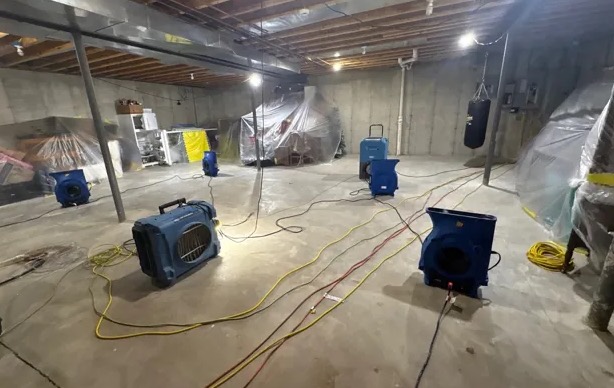
Expert Basement Water Damage Restoration Serving Lake Quivira
In a Lake Quivira home with a basement and a sump pump, a pump that fails during heavy rain lets water rise fast. Furnaces, water heaters, washers and stored belongings all sit at floor level and take the damage first.
A finished basement or lower level in Lake Quivira or Shawnee, Edwardsville and Merriam can hide old moisture behind drywall and flooring. The pros find the water and dry the space before more damage sets in.
Basement Water Damage Restoration Solutions Available in Lake Quivira
Basement Mold Prevention
Fast extraction and drying are the main ways to limit microbial growth in a basement. Surfaces that stayed wet can be treated once dry.
Basement Wall Drying
Finished basement walls hide wet insulation and framing. Removing the bottom of the drywall lets air reach the cavity.
Basement Sewer Backup Cleanup
Porous materials touched by sewage, such as carpet, pad and lower drywall, are removed. Concrete and framing are cleaned and disinfected.
Basement Drying Services
Equipment is adjusted each day based on moisture readings until every material reaches its normal level.
Basement Water Extraction
Basement water is removed before drying starts, because every gallon left behind keeps the walls and air damp.
When to Consider Basement Water Damage Restoration for Your Lake Quivira Home
Sewage Odors or Backups
Sewage smells or water coming up through a floor drain mean the sewer line is backing up.
Rusted Appliances or Pipes
Rust on the water heater, furnace base or pipes points to repeated moisture or past flooding.
Sump Pump Failure or Overflow
A sump pump that runs constantly, fails to start or lets the pit overflow puts the basement at risk.
Condensation on Windows or Pipes
Water beading on cold pipes or basement windows shows high humidity that keeps materials damp.
How Basement Water Damage Restoration Works in Lake Quivira
Step 1: Initial Assessment and Water Removal
The source and type of water are identified, and standing water is removed right away.
Step 2: Focused Drying of Materials
Walls, framing and the slab are dried with directed airflow, with wet insulation removed.
Step 3: Air Quality Management
Air scrubbers filter dust and odors from removal work while drying continues.
Step 4: Documentation for Restoration
Photos, readings and a list of removed materials are prepared for insurance and rebuilding.
Typical Sources of Basement Water Damage in Lake Quivira
Plumbing Pipe Bursts or Leaks
Supply lines and drain pipes in basement ceilings can crack or burst onto the floor below.
Sump Pump Mechanical Failure
A sump pump that fails, loses power or is too small lets groundwater rise into the basement.
Overland Flooding From Storms
Heavy storms and snowmelt can send surface water into basements through doors and walls.
HVAC Condensate Line Overflow
A clogged furnace or air conditioner condensate line can overflow onto the floor of a basement or lower-level utility room.
Home and Business Basement Water Damage Restoration in Lake Quivira
Residential Basement Water Damage Restoration
In homes, a flooded basement often means damaged carpet, drywall, a furnace or water heater and stored belongings. Water is pumped out, contents are moved and the space is dried.
Commercial Basement Water Damage Restoration
In commercial buildings, basements hold mechanical rooms, storage and sometimes offices. Water is removed and equipment areas are dried so systems can be checked and restarted.
Professional Basement Water Damage Restoration or DIY in Lake Quivira?
You can move belongings off the floor and run a household dehumidifier. Drying soaked walls and slabs needs larger equipment and moisture readings to confirm the space is truly dry.
Understanding Basement Water Damage Restoration Pricing in Lake Quivira
In Lake Quivira, basement jobs often run longer than upper-floor jobs because concrete dries slowly. Equipment days make up much of the bill.
Secondary Damage
Damage to furnaces, water heaters and belongings adds repair and replacement costs.
Emergency Service
Night, weekend and storm calls can cost more than a scheduled visit.
Affected Square Footage
Larger basements need more extraction, more drying equipment and more days of drying time.
Does Insurance Cover Basement Water Damage Restoration?
Coverage for basement water damage restoration depends on where the water came from and your policy terms. The pros document the damage, and your insurer decides what is covered.
Benefits of Local Pros for Basement Water Damage Restoration in Lake Quivira
Advanced Moisture Detection
Moisture meters and thermal cameras find water in walls and slabs that looks dry.
Detailed Documentation
Photos, readings and drying logs are kept to support your insurance claim.
Mold Prevention Focus
Fast drying is the main way to limit microbial growth in a below-grade space.
Emergency Basement Water Damage Restoration Available in Lake Quivira
Sewage coming up through a floor drain? Stop using water in the house and call (816) 355-6039 now for basement water damage restoration in Lake Quivira.
Call Now (816) 355-6039Local Basement Water Damage Restoration Coverage: Lake Quivira and Beyond
Each place listed below has its own page with local details.
- Basement Water Damage Restoration in Shawnee
- Basement Water Damage Restoration in Edwardsville
- Basement Water Damage Restoration in Merriam
- Basement Water Damage Restoration in Lenexa
- Basement Water Damage Restoration in Mission
- Basement Water Damage Restoration in Weatherby Lake
- Basement Water Damage Restoration in Overland Park
- Basement Water Damage Restoration in Independence
Basement Water Damage Restoration Common Questions Answered
How is basement restoration documented for insurance?
With photos of the water level and damage, moisture readings, a list of removed materials and daily drying logs.
What does below-grade moisture removal include beyond pumping?
Extracting carpet and pad, opening wet walls, running air movers and dehumidifiers, and checking readings until dry.
What causes the most common below-grade leaks in homes?
Sump pump failures, foundation cracks, clogged drain tile, sewer backups and burst pipes in the basement ceiling.
How is basement sewer backup cleanup different from regular flooding?
Sewage carries bacteria, so it needs protective gear, removal of porous materials and disinfection before drying.
Should I try below-grade waterproofing myself after flooding?
Sealing a small crack can be a DIY job, but drying must come first, and larger waterproofing work should go to a contractor.