Sweet Springs, MO · Saline County
Temperature-Controlled Drying in Sweet Springs, MOWater Damage Drying Logs & Rapid Structural Drying Services
For Temperature-Controlled Drying in Sweet Springs, local moisture control experts handle thermal drying for water damage, humidity control for restoration, and drying equipment deployment to prevent mold.
Answered 24/7
Expert Temperature-Controlled Drying Services in Sweet Springs, Missouri
In Sweet Springs, materials dry at different rates. Local pros map moisture content so each material gets the drying it needs.
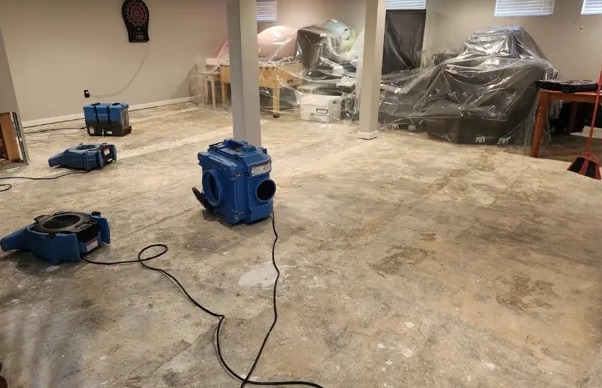
In Sweet Springs and nearby Concordia, Knob Noster and Marshall, local pros take baseline moisture readings, then run air movers and dehumidifiers and log moisture levels as they drop.
Advanced Temperature-Controlled Drying Techniques in Sweet Springs
Water Damage Drying Logs
Key data like psychrometric readings and material moisture content are meticulously recorded. These logs show a clear trend toward dryness, confirming the job's success.
Rapid Structural Drying Services
The experts aim air movers at wet studs, joists and subfloors to dry the structure safely.
Climate-Controlled Drying Systems
For complex jobs, the experts use industrial equipment to keep humid air from re-wetting materials, so walls dry all the way through.
Thermal Drying for Water Damage
The experts raise the room temperature in a controlled way to drive moisture out of dense materials like concrete slabs and beams, watching readings the whole time.
Humidity Control for Restoration
The experts run dehumidifiers to pull water vapor out of the air, which draws more moisture out of wet surfaces and prevents secondary damage.
Signs You Need Professional Temperature-Controlled Drying in Sweet Springs
Moisture Meter Shows High Readings
A moisture meter reading high inside walls or floors means drying is not finished.
High Humidity Readings Inside
A hygrometer showing unusually high indoor humidity after water damage means the building is still wet.
Cold, Damp Feeling in a Room
A room feels noticeably colder and damper than the rest of the house. This sensation is often due to evaporative cooling from wet materials.
Damp Odors Persisting After Water
A musty smell lingers even after visible water is gone, indicating hidden moisture. That odor often signals mold or trapped dampness.
How Temperature-Controlled Drying Works in Sweet Springs
Step 1: Initial Moisture Survey and Readings
Pros take baseline moisture readings across the property to plan the drying.
Step 2: Precision Air Mover Placement
Air movers are placed at set angles and distances to target specific wet materials.
Step 3: Deployment of Drying Systems
Dehumidifiers are sized to the moisture load and the size of the space.
Step 4: Ongoing Monitoring and Adjustment
Equipment is moved and adjusted as materials dry, so drying keeps moving.
Typical Reasons for Drying Needs in Sweet Springs
Sprinkler System Activation
A fire sprinkler discharges, releasing a large volume of water quickly. This event saturates entire areas and requires precise air mover placement and strategy.
Appliance Malfunction or Overflow
A failed washing machine hose, water heater or dishwasher can release many gallons onto the floor.
HVAC System Condensation Issues
A clogged condensate drain line causes an overflow inside the air handler. This water can soak insulation and ductwork, creating a hidden moisture issue.
Undetected Plumbing Leaks
A slow drip behind a wall or under a slab saturates materials over time.
Temperature-Controlled Drying for Homes and Businesses in Sweet Springs
Residential Temperature-Controlled Drying
At home, the pros dry wall cavities, subfloors and belongings with air movers and dehumidifiers, and keep drying logs for your insurance review.
Commercial Temperature-Controlled Drying
For businesses, rapid drying minimizes downtime and protects inventory, equipment, and building integrity. Large-scale drying systems are implemented to address moisture in offices, retail spaces, and warehouses.
Temperature-Controlled Drying: DIY Risks vs. Professional Care in Sweet Springs
For a small, recent water spill, use towels to blot surface water and improve air circulation with fans. If water soaks into porous materials like drywall or carpet padding, contact the experts.
Factors in Temperature-Controlled Drying Pricing for Sweet Springs, MO
The experts in Sweet Springs base cost on the extent of the water damage, the humidity control needed and how long monitoring runs.
Drying Time Required
Longer drying periods for climate-controlled systems mean more equipment runtime and monitoring, impacting the overall cost of the restoration project.
Documentation Requirements
Detailed drying logs and moisture reports for insurance take extra time to prepare.
Extent of Water Damage
The larger the area that needs drying, the more equipment and labor the job takes.
Does Insurance Cover Temperature-Controlled Drying?
Many homeowner policies cover temperature-controlled drying when it stems from a sudden, covered peril like a burst pipe. The experts document all damage with photos and moisture readings for your claim submission.
The Value of Local Moisture Control Experts for Temperature-Controlled Drying in Sweet Springs, MO
Targeted Thermal Drying
Applying directed heat energy safely accelerates the drying of dense materials, reducing the overall timeline for the restoration project.
IICRC-Standard Drying Methods
Drying follows industry guidelines and is checked with meters, which keeps framing and floors from staying wet.
Structural Drying
The focus is on quickly extracting moisture from structural components to minimize warping, swelling, or the potential for mold growth.
Emergency Temperature-Controlled Drying Response for Sweet Springs, MO
Fast drying limits damage to walls and floors. Call (816) 355-6039 anytime, day or night, to get drying equipment set up in Sweet Springs.
Call Now (816) 355-6039Temperature-Controlled Drying in Sweet Springs and Other Areas Served
Other places served are listed below, each with its own page.
- Temperature-Controlled Drying in Concordia
- Temperature-Controlled Drying in Knob Noster
- Temperature-Controlled Drying in Marshall
- Temperature-Controlled Drying in Higginsville
- Temperature-Controlled Drying in Warrensburg
- Temperature-Controlled Drying in Slater
- Temperature-Controlled Drying in Lexington
- Temperature-Controlled Drying in Carrollton
- Emergency Damage Restoration in 65351
- Storm Damage Restoration in 65351
- Water Damage Restoration in 65351
- Water Extraction Service in 65351
- Water Leak Detection in 65351
- Water Removal Service in 65351
Your Temperature-Controlled Drying Questions Addressed
What does drying equipment deployment involve?
Pros assess the loss, calculate how much equipment is needed and place air movers, dehumidifiers and sometimes heaters.
What should a property owner do while waiting for help with drying?
If safe, remove obvious standing water with a mop or towels, move dry contents away from the wet area, and avoid using household fans which can spread contaminants.
How does humidity control aid in restoration?
Drier air pulls water out of wet materials faster, so lowering humidity speeds up drying.
What is the strategy behind air mover placement?
They are angled to move air across wet surfaces in a pattern, so moisture evaporates into the air where dehumidifiers can capture it.
What are water damage drying logs used for?
Drying logs are detailed records of moisture readings, equipment settings, and progress; they provide documentation for the restoration process and are often required for insurance claims.