Marshall, MO · Saline County
Temperature-Controlled Drying in Marshall, MOMoisture Mapping & Rapid Structural Drying Services
Temperature-Controlled Drying in Marshall includes moisture mapping, rapid structural drying services and water damage drying logs from local moisture control experts.
Answered 24/7
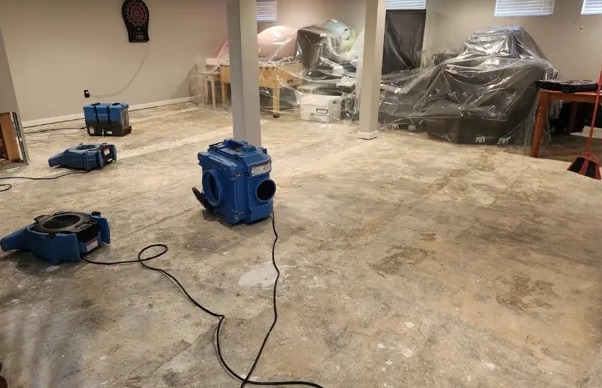
Professional Temperature-Controlled Drying in Marshall, MO
In Marshall, water trapped in subfloors, wall cavities or behind cabinets dries slowly because the air there does not move.
In Marshall and nearby Slater, Sweet Springs and Concordia, local pros take baseline moisture readings, then run air movers and dehumidifiers and log moisture levels as they drop.
Advanced Temperature-Controlled Drying Techniques in Marshall
Moisture Mapping
Moisture mapping uses penetrating and non-penetrating meters to document water migration. This creates a blueprint of wet areas, including hidden moisture behind walls.
Rapid Structural Drying Services
Fast structural drying uses high-velocity air movers, industrial dehumidifiers and sometimes heat, so families in Marshall can return home sooner and mold does not start.
Thermal Drying for Water Damage
Controlled heat speeds up drying of wet materials in Marshall, which helps prevent swelling wood and failed flooring adhesive.
Air Mover Placement for Drying
Expert deployment of air movers displaces the saturated air layer clinging to wet materials. Proper placement helps ensure every surface receives directed airflow, the engine of evaporation.
Drying Equipment Deployment
Pros set up drying machines with safe power, condensate drainage and placement based on the moisture map.
Signs You Need Professional Temperature-Controlled Drying in Marshall
Visible Mold Growth in Corners
Black, green or white specks in damp corners or on baseboards are usually mold, which means moisture has been there a while.
Condensation on Windows or Surfaces
Excess humidity causes water droplets to form on cold surfaces. This condensation confirms the indoor air has too much moisture.
Paint Peeling or Bubbling Up
Paint loses adhesion and forms bubbles or peels away from the wall. This failure is caused by moisture trapped beneath the paint film.
Discoloration on Drywall or Ceilings
Yellow or brown water stains appear on surfaces that seem dry. These stains suggest moisture is still present inside the wall cavity.
How Temperature-Controlled Drying Works in Marshall
Step 1: Initial Moisture Survey and Readings
Pros take baseline moisture readings across the property to plan the drying.
Step 2: Precision Air Mover Placement
Air movers are placed at set angles and distances to target specific wet materials.
Step 3: Deployment of Drying Systems
Dehumidifiers are sized to the moisture load and the size of the space.
Step 4: Ongoing Monitoring and Adjustment
Equipment is moved and adjusted as materials dry, so drying keeps moving.
Causes of Persistent Dampness Requiring Controlled Drying in Marshall
Roof Leak During Heavy Rain
Wind-driven rain through a damaged roof or flashing can run down inside wall cavities, where it needs targeted drying.
Inadequate Initial Water Extraction
Water left behind after a leak or flood moves into subfloors and walls, where it is harder to dry.
Appliance Malfunction or Overflow
A failed washing machine hose, water heater or dishwasher can release many gallons onto the floor.
Undetected Plumbing Leaks
A slow drip behind a wall or under a slab saturates materials over time.
Residential & Commercial Temperature-Controlled Drying in Marshall
Residential Temperature-Controlled Drying
At home, the pros dry wall cavities, subfloors and belongings with air movers and dehumidifiers, and keep drying logs for your insurance review.
Commercial Temperature-Controlled Drying
For businesses, rapid drying minimizes downtime and protects inventory, equipment, and building integrity. Large-scale drying systems are implemented to address moisture in offices, retail spaces, and warehouses.
Temperature-Controlled Drying vs. DIY Drying in Marshall
For a small, recent water spill, use towels to blot surface water and improve air circulation with fans. If water soaks into porous materials like drywall or carpet padding, contact the experts.
Investing in Professional Temperature-Controlled Drying in Marshall
The experts in Marshall base cost on the extent of the water damage, the humidity control needed and how long monitoring runs.
Equipment Needs
The number and type of air movers, dehumidifiers and heaters used affect the cost.
Humidity Control Measures
Controlling humidity in tight spaces often takes specialized drying equipment and frequent adjustments.
Moisture Mapping Complexity
Checking moisture in layered floors or hidden cavities takes more time and equipment.
Does Insurance Cover Temperature-Controlled Drying?
Humidity control for restoration following a water incident might be considered under the drying portion of a claim. The pros in Marshall provide precise documentation of the controlled drying systems used and the results achieved.
The Value of Local Moisture Control Experts for Temperature-Controlled Drying in Marshall, MO
Advanced Moisture Mapping
Moisture meters and thermal cameras find hidden wet pockets so every affected material is dried.
IICRC-Standard Drying Methods
Drying follows industry guidelines and is checked with meters, which keeps framing and floors from staying wet.
Strategic Equipment Deployment
Air movers and dehumidifiers are placed according to a plan for even airflow and low humidity.
24/7 Emergency Temperature-Controlled Drying in Marshall
Wet walls and floors keep getting worse until they are dried. Call local pros at (816) 355-6039 to set up drying equipment.
Call Now (816) 355-6039Temperature-Controlled Drying in Marshall and Other Areas Served
Each place listed below has its own page with local details.
- Temperature-Controlled Drying in Slater
- Temperature-Controlled Drying in Sweet Springs
- Temperature-Controlled Drying in Concordia
- Temperature-Controlled Drying in Carrollton
- Temperature-Controlled Drying in Higginsville
- Temperature-Controlled Drying in Knob Noster
- Temperature-Controlled Drying in Lexington
- Temperature-Controlled Drying in Warrensburg
- Emergency Damage Restoration in 65340
- Storm Damage Restoration in 65340
- Water Damage Restoration in 65340
- Water Extraction Service in 65340
- Water Leak Detection in 65340
- Water Removal Service in 65340
Temperature-Controlled Drying Information and FAQs
Can temperature-controlled drying prevent mold growth?
By rapidly removing moisture and controlling humidity, the process creates an environment where mold cannot thrive, significantly reducing the potential for mold.
When is climate-controlled drying necessary versus regular drying?
Climate-controlled drying is necessary for severe losses, sensitive materials, or when precise environmental control is needed to prevent damage, unlike simple air drying for minor spills.
What should a property owner do while waiting for help with drying?
If safe, remove obvious standing water with a mop or towels, move dry contents away from the wet area, and avoid using household fans which can spread contaminants.
How long does the temperature-controlled drying process take?
It depends on the damage, the materials and the conditions. Pros monitor readings and stop when moisture goals are met.
What does drying equipment deployment involve?
Pros assess the loss, calculate how much equipment is needed and place air movers, dehumidifiers and sometimes heaters.