Lexington, MO · Lafayette County
Temperature-Controlled Drying in Lexington, MORapid Structural Drying Services & Humidity Control For Restoration
In Lexington, Temperature-Controlled Drying from local drying equipment pros includes rapid structural drying services, drying equipment deployment, and water damage drying logs for documented recovery.
Answered 24/7
Expert Temperature-Controlled Drying Services in Lexington, Missouri
In Lexington, moisture left in a structure can cause odors and draw pests. The pros map the damage with infrared cameras and sensors before setting up drying.
In Lexington and nearby Richmond, Higginsville and Odessa, local pros map moisture in walls and subfloors, then fit thermal drying and humidity control to the materials in the building.
Temperature-Controlled Drying Services in Lexington
Rapid Structural Drying Services
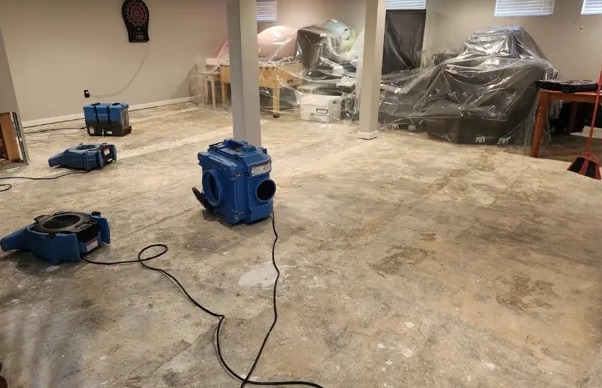
Fast structural drying uses high-velocity air movers, industrial dehumidifiers and sometimes heat, so families in Lexington can return home sooner and mold does not start.
Humidity Control for Restoration
Dehumidifiers lower the dew point in the affected area, so materials give up their moisture more easily.
Air Mover Placement for Drying
The pros angle and space air movers in each room in Lexington so air flows evenly across every wet surface.
Climate-Controlled Drying Systems
Advanced systems allow precise manipulation of the drying environment. By controlling the dew point, the pros can aggressively dry contents without risk.
Water Damage Drying Logs
Key data like psychrometric readings and material moisture content are meticulously recorded. These logs show a clear trend toward dryness, confirming the job's success.
Signs You Need Professional Temperature-Controlled Drying in Lexington
Discoloration on Drywall or Ceilings
Yellow or brown water stains appear on surfaces that seem dry. These stains suggest moisture is still present inside the wall cavity.
Paint Peeling or Bubbling Up
Paint loses adhesion and forms bubbles or peels away from the wall. This failure is caused by moisture trapped beneath the paint film.
Moisture Meter Shows High Readings
A moisture meter reading high inside walls or floors means drying is not finished.
Visible Mold Growth in Corners
Black, green or white specks in damp corners or on baseboards are usually mold, which means moisture has been there a while.
How Temperature-Controlled Drying Works in Lexington
Step 1: Assessment and Moisture Detection
The pros perform a thorough assessment using thermal imaging and moisture meters. This identifies the full extent of damage, guiding the drying plan.
Step 2: Containment and Airflow Strategy
Plastic barriers close off the wet area so humidity can be controlled, and air movers are placed to move air across wet materials.
Step 3: Thermal Drying System Activation
Specialized thermal drying equipment is activated to gently raise the air temperature in the space.
Step 4: Verification and Structural Drying Completion
Readings are compared with dry areas of the building to confirm drying is complete.
Causes of Persistent Dampness Requiring Controlled Drying in Lexington
Roof Leak During Heavy Rain
Wind-driven rain through a damaged roof or flashing can run down inside wall cavities, where it needs targeted drying.
Poor Ventilation After a Flood
Closing up a wet room traps humid air, which slows drying and lets moisture soak further into materials.
Inadequate Initial Water Extraction
Water left behind after a leak or flood moves into subfloors and walls, where it is harder to dry.
Foundation Cracks and Seepage
Hydrostatic pressure forces groundwater through cracks in the foundation wall. This seepage creates a constant dampness that challenges standard drying technology.
Temperature-Controlled Drying for All Property Types in Lexington
Residential Temperature-Controlled Drying
Residential restoration focuses on saving personal items and preventing long-term odors in living areas and bedrooms. The specialists employ thermal drying for water damage to gently yet effectively dry contents and building materials.
Commercial Temperature-Controlled Drying
In commercial settings, uncontrolled humidity can damage sensitive electronics, documents, and finished goods. The pros implement humidity control for restoration to create optimal drying conditions for diverse materials.
Temperature-Controlled Drying vs. DIY Drying in Lexington
Ventilating the area by opening windows can help if outdoor humidity is lower than indoors, but this is rarely controlled or sufficient. You can create a list of damaged items for a potential insurance claim.
Cost Considerations for Temperature-Controlled Drying in Lexington
In Lexington, cost depends on how far the moisture spread and how many rooms need drying equipment and monitoring.
Access and Logistics
Challenging site access in Lexington can complicate equipment deployment and placement, potentially increasing setup time and labor requirements.
Humidity Control Measures
Controlling humidity in tight spaces often takes specialized drying equipment and frequent adjustments.
Equipment Needs
The number and type of air movers, dehumidifiers and heaters used affect the cost.
Does Insurance Cover Temperature-Controlled Drying?
Coverage is not automatic and depends on your policy. Local pros provide humidity readings and equipment logs for your claim file. Your insurer decides what is covered.
Benefits of Local Drying Equipment Pros for Temperature-Controlled Drying in Lexington
Comprehensive Drying Logs
Detailed, chronological logs of moisture readings and equipment settings provide a transparent record of the entire temperature-controlled drying process.
Structural Drying
The focus is on quickly extracting moisture from structural components to minimize warping, swelling, or the potential for mold growth.
Advanced Moisture Mapping
Moisture meters and thermal cameras find hidden wet pockets so every affected material is dried.
24/7 Emergency Temperature-Controlled Drying in Lexington
Fast drying limits damage to walls and floors. Call (816) 355-6039 anytime, day or night, to get drying equipment set up in Lexington.
Call Now (816) 355-6039Temperature-Controlled Drying for Lexington and Surrounding Regions
The pros dry structures and control humidity in Lexington and communities such as Richmond, Higginsville and Odessa.
- Temperature-Controlled Drying in Richmond
- Temperature-Controlled Drying in Higginsville
- Temperature-Controlled Drying in Odessa
- Temperature-Controlled Drying in Buckner
- Temperature-Controlled Drying in Oak Grove
- Temperature-Controlled Drying in Concordia
- Temperature-Controlled Drying in Grain Valley
- Temperature-Controlled Drying in Excelsior Springs
- Emergency Damage Restoration in 64067
- Storm Damage Restoration in 64067
- Water Damage Restoration in 64067
- Water Extraction Service in 64067
- Water Leak Detection in 64067
- Water Removal Service in 64067
Your Temperature-Controlled Drying Questions Addressed
Why is moisture mapping important for drying?
Sensors measure moisture across the affected area to show exactly where it is wet, so equipment is aimed at the right spots.
What is temperature-controlled drying?
It is a drying method that controls heat and humidity together to remove moisture from building materials and contents safely and quickly.
What are water damage drying logs used for?
Drying logs are detailed records of moisture readings, equipment settings, and progress; they provide documentation for the restoration process and are often required for insurance claims.
What does drying equipment deployment involve?
Pros assess the loss, calculate how much equipment is needed and place air movers, dehumidifiers and sometimes heaters.
How does thermal drying for water damage work?
Thermal drying applies carefully managed heat to increase the evaporation rate of moisture trapped within materials, accelerating the drying process while monitored to prevent damage.