Grain Valley, MO · Jackson County
Tile Floor Water Damage Restoration in Grain Valley, MOFlooded Tile Floor Restoration & Tile Floor Moisture Inspection
Tile Floor Water Damage Restoration in Grain Valley covers tile floor water extraction, tile floor water damage repair and tile floor mold prevention.
Answered 24/7
Get Help with Tile Floor Water Damage Restoration in Grain Valley
Tile floor moisture issues in Grain Valley often stem from appliance failures or plumbing leaks. Untreated, this can ruin the tile installation, damage the subfloor, and require a full, costly replacement of the flooring system.
Across Grain Valley and nearby places like Oak Grove, Blue Springs and Lake Lotawana, water damaged tile floors need expert care to restore their appearance and function. The tile floor water damage cost can escalate if moisture isn't fully removed.
Comprehensive Tile Floor Water Damage Restoration for Grain Valley
Flooded Tile Floor Restoration
Restoring a flooded tile floor involves addressing both surface and subsurface damage. Specialists work methodically to mitigate loss, dry all materials, and execute necessary repairs.
Tile Floor Moisture Inspection
Inspection confirms when drying is complete and no hidden risks remain. Restoration professionals take precise moisture readings across the affected area to establish a baseline.
Wet Tile Floor Cleanup
Flood water can leave behind dirt, bacteria, and other pollutants on your tile floor. Professionals perform a detailed cleanup using appropriate antimicrobial agents and cleaning solutions.
Tile Floor Mold Prevention
Preventing mold growth is a critical outcome of proper water damage restoration. After drying tile floors, pros in Grain Valley apply EPA-registered antimicrobial agents to treated areas.
Tile Floor Water Damage Repair
Tile repair involves matching materials to achieve a consistent appearance. Sourcing compatible tiles and grout color is part of this process.
Indicators for Tile Floor Water Damage Restoration in Grain Valley
Warping or Buckling Sections
Tiles that lift, warp or buckle usually sit on a soaked subfloor.
Increased Humidity in the Room
A noticeable spike in room humidity, often near a tiled area, suggests evaporating moisture from a hidden leak. This warrants a professional tile floor water damage inspection.
Grout Crumbling Away
Grout that cracks, crumbles or falls out between tiles often means water is getting underneath.
Tiles Are Loose or Shifting
Tiles that rock underfoot or come loose have lost their bond, usually because water got under them.
How Tile Floor Water Damage Restoration Works in Grain Valley
Step 1: Source Stop and Safety Check
The water source is stopped and the area is made safe before work begins.
Step 2: Surface Water Removal
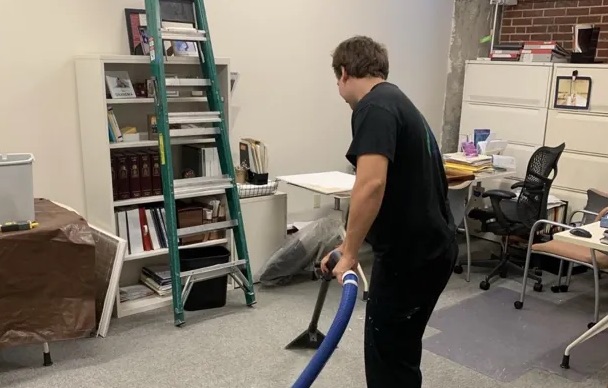
Water on the tile surface is removed with extraction wands and wet vacuums.
Step 3: Subsurface Drying Deployment
Drying equipment is deployed to address moisture in the substrate beneath the tiles, a core component of professional tile floor drying services.
Step 4: Completion Verification
The job is complete when verification moisture readings confirm all materials meet dry standard, helping ensure no residual moisture remains to cause future issues.
Common Causes of Water Damage to Tile Floors in Grain Valley
Slab Foundation Moisture Wicking
In homes on slab foundations, ground moisture can wick up through the concrete and into the tile installation, causing persistent tile floor moisture issues.
Toilet Overflows and Seal Failures
A clogged toilet or a failed wax ring seal lets water spill onto the bathroom floor and seep under the tile.
Pet Water Bowl Spills
Repeated spills from a pet's water bowl, especially on unsealed tile or grout, can allow water to penetrate and cause localized tile floor water damage.
Window or Door Seal Failure
Failed seals around windows or exterior doors let rain in to pool on interior tile floors.
Residential and Commercial Tile Floor Water Damage Restoration in Grain Valley
Residential Tile Floor Water Damage Restoration
For flooded tile floor restoration in a home, pros systematically extract water, dry the subfloor, and inspect for hidden moisture.
Commercial Tile Floor Water Damage Restoration
Offices and stores with tile floors get water removed from under the tile after plumbing or roof leaks. Commercial tile floor water damage pros can work after hours to limit disruption.
Professional Tile Floor Water Damage Restoration or DIY Cleanup in Grain Valley
After a leak is stopped, moving furniture and rugs off the wet tile floor helps prevent staining and allows better air exposure. Do not attempt to remove or re-adhere loose tiles yourself, as this can worsen the damage.
Understanding Tile Floor Water Damage Restoration Costs in Grain Valley
Price depends on the drying time, how hard the water is to extract and the size of the affected area.
Water Source Category
Clean water from a supply line is simpler to address than contaminated flood water, affecting the tile floor cleanup process.
Extent of Damage
The square footage of water damaged tile floors and depth of saturation directly influence the restoration scope and cost.
Subfloor Condition
Removing water under tile flooring and assessing the subfloor for damage can add steps to the repair process.
Does Insurance Cover Tile Floor Water Damage Restoration?
Coverage depends on the source of the water. Pros limit the damage and supply evidence for your claim. Talk with your insurance company about the incident.
Benefits of Local Pros for Tile Floor Water Damage Restoration in Grain Valley
IICRC-Standard Methods
The pros use industry-standard procedures for tile floor water extraction and drying to promote effective damage control.
Structural Integrity Consideration
The subfloor is checked before tile repairs, so new tile goes down on a sound base.
Clear Process Communication
You receive straightforward explanations of each step, from initial assessment through the final moisture verification.
24/7 Tile Floor Water Damage Restoration Help in Grain Valley
Tile floor moisture issues can escalate quickly if not addressed. For 24/7 emergency tile floor water damage repair, homeowners in Grain Valley should dial (816) 355-6039.
Call Now (816) 355-6039Tile Floor Water Damage Restoration Coverage in Jackson County
Flooded tile floor restoration requires specialized attention for properties in Grain Valley. The pros offer their services in Grain Valley and nearby including Oak Grove, Blue Springs and Lake Lotawana.
- Tile Floor Water Damage Restoration in Oak Grove
- Tile Floor Water Damage Restoration in Blue Springs
- Tile Floor Water Damage Restoration in Lake Lotawana
- Tile Floor Water Damage Restoration in Buckner
- Tile Floor Water Damage Restoration in Lone Jack
- Tile Floor Water Damage Restoration in Lee's Summit
- Tile Floor Water Damage Restoration in Independence
- Tile Floor Water Damage Restoration in Greenwood
- Emergency Damage Restoration in 64029
- Storm Damage Restoration in 64029
- Water Damage Restoration in 64029
- Water Extraction Service in 64029
- Water Leak Detection in 64029
- Water Removal Service in 64029
Tile Floor Water Damage Restoration FAQ for Grain Valley Residents
What causes tile floor moisture issues?
Common causes include appliance leaks like from dishwashers, plumbing failures such as burst pipes, overflow incidents from sinks or tubs, or groundwater intrusion through cracks in the foundation.
How do pros find water under tile flooring?
Non-penetrating moisture meters detect elevated moisture levels without damaging the tile, while thermal imaging cameras can reveal temperature differences that often indicate trapped water below.
What is tile floor water damage restoration?
It is the professional process of extracting water, thoroughly drying the tile and subfloor, and repairing damage to restore your floor after a water incident.
How long does the tile floor water damage process take?
Drying typically takes 2-5 days, but the full timeline depends on the extent of damage, materials, and environmental conditions in the home.
How does tile floor water extraction work?
Powerful truck-mounted or portable extractors remove standing water, while specialized tools pull moisture from grout lines and from under the tiles.