Grain Valley, MO · Jackson County
Attic Water Damage Restoration in Grain Valley, MOAttic Moisture Inspection & Attic Drying Services
Get attic water damage restoration in Grain Valley for emergency attic water extraction, wet attic insulation removal and attic mold prevention.
Answered 24/7
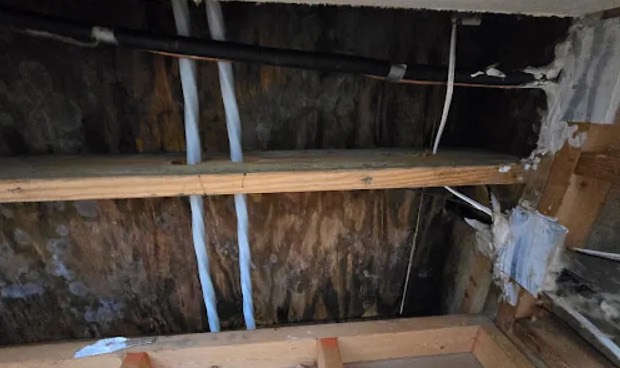
Professional Attic Water Damage Restoration in Grain Valley, MO
In Grain Valley, attics get hot in summer and damp in cooler months. That cycle matters after a leak: heat can speed drying, but poor ventilation can trap moisture and keep wood damp.
In Grain Valley, attic water damage often shows up as a ceiling stain after heavy rain. Local restoration specialists serve Grain Valley, Oak Grove, Blue Springs and Lake Lotawana, finding the leak point and drying the wood, insulation and drywall.
Available Attic Water Damage Restoration Work in Grain Valley
Attic Moisture Inspection
Readings are recorded before and during drying, giving you and your insurer a clear record of the attic damage.
Attic Drying Services
Equipment is placed on boards or platforms in the attic so it can run safely without stressing the ceiling drywall.
Ceiling Water Damage Cleanup
Small ceiling stains can often be dried in place and sealed. Sagging, soft or crumbling drywall is replaced.
Wet Attic Insulation Removal
Insulation that stayed wet for days is removed rather than dried, since it rarely recovers and keeps the ceiling drywall damp.
Attic Leak Water Cleanup
Water that collected on attic decking, joists and the top of the ceiling drywall is removed, and wet debris is cleared so the area can dry.
Signs of Attic Water Damage in Grain Valley Homes
Rust on Nails or Vents
Rusted nail tips, vent flanges or metal straps in the attic point to repeated moisture.
Water Stains on Ceiling
Brown rings or yellow spots on an upstairs ceiling usually mean water is sitting on the drywall from above.
Wet or Sagging Insulation
Insulation that looks matted, dark or compressed, or sags between joists, has absorbed water.
Active Leak During Rain
Water dripping into the attic during rain shows an active roof leak that needs fixing and drying.
How Attic Water Damage Restoration Works in Grain Valley
Step 1: Emergency Attic Water Extraction
Active drips are caught, pooled water is removed from decking and drywall tops, and power to wet fixtures is checked.
Step 2: Attic Moisture Inspection and Mapping
Meters and thermal cameras map wet insulation, wood and ceiling drywall from the leak point outward.
Step 3: Structural Drying and Dehumidification
Air movers and dehumidifiers dry rafters, joists and decking, with equipment set on safe footing.
Step 4: Final Verification and Documentation
Readings confirm the attic and ceiling are dry, and photos and logs are provided for insurance.
What Causes Attic Water Damage in Grain Valley?
Burst or Leaking Plumbing Pipes
Supply lines and water heaters in the attic can leak or burst directly onto the ceiling.
Overflow From Bathroom Exhaust Fans
Bathroom fans that vent into the attic, or have disconnected ducts, release moisture onto the decking.
Failing Roof Valley or Flashing
Worn flashing around valleys, chimneys and skylights lets water run into the attic.
Attic Appliance Leaks
AC air handlers in the attic overflow when the condensate line clogs or the pan cracks.
Attic Water Damage Restoration for All Property Types in Grain Valley
Residential Attic Water Damage Restoration
Homeowners often store boxes and holiday items in the attic. Wet belongings are moved out and dried or discarded before work on the insulation and framing starts.
Commercial Attic Water Damage Restoration
Offices and stores with roof leaks need the area below protected during work. Drying is planned around business hours where possible to keep the space open.
Attic Water Damage Restoration vs. DIY: When to Call the Pros
Fans in the room below will not dry an attic. The wood and insulation above need dehumidifiers and air movers placed in the attic, with readings to confirm they are dry.
Attic Water Damage Restoration Cost in Grain Valley, MO
In Grain Valley, insulation removal and ceiling repair often make up a large share of the bill, along with drying equipment days in the attic.
Type of Water Involved
Clean rainwater is simpler to handle than water from a drain or a contaminated source.
Ceiling Repair Needs
Replacing, taping and painting ceiling drywall after drying adds to the total.
Size and Accessibility
Low, tight attics take longer to work in than tall attics with easy access.
Does Insurance Cover Attic Water Damage Restoration?
Insurers often ask what caused the leak and how long it ran. Notes on the leak point and the condition of the roof help answer those questions.
Why Choose Local Pros for Attic Water Damage Restoration in Grain Valley
Structural Drying Expertise
Drying equipment is placed for attic framing and decking, where moisture is hardest to remove.
Roof Leak Location
The leak point is marked and photographed so the roofer can fix the right spot.
Industry Drying Standards
Drying follows industry water damage standards, with readings taken at each visit.
24/7 Attic Water Damage Restoration Response for Grain Valley
If water is coming through a light fixture, turn off that circuit at the panel and keep clear. Then call (816) 355-6039 for help in Grain Valley.
Call Now (816) 355-6039Attic Water Damage Restoration Near Grain Valley: Areas Served
Need attic water damage restoration outside Grain Valley? Service also covers Oak Grove, Blue Springs and Lake Lotawana, including emergency help during storms.
- Attic Water Damage Restoration in Oak Grove
- Attic Water Damage Restoration in Blue Springs
- Attic Water Damage Restoration in Lake Lotawana
- Attic Water Damage Restoration in Buckner
- Attic Water Damage Restoration in Lone Jack
- Attic Water Damage Restoration in Lee's Summit
- Attic Water Damage Restoration in Independence
- Attic Water Damage Restoration in Greenwood
- Emergency Damage Restoration in 64029
- Storm Damage Restoration in 64029
- Water Damage Restoration in 64029
- Water Extraction Service in 64029
- Water Leak Detection in 64029
- Water Removal Service in 64029
Common Attic Water Damage Restoration Queries Answered
How is ceiling water damage from an attic leak repaired?
Sagging or soft drywall is removed, the cavity is dried, and new drywall is installed, taped and painted once readings are normal.
Does a roof leak always cause attic mold growth?
No. Mold is more likely when wood and insulation stay wet for days, so drying is the main way to prevent it.
What is involved in emergency attic water extraction?
Catching active drips, removing pooled water from decking and drywall tops, and starting drying before the ceiling below is ruined.
What are common signs of poor attic ventilation?
Damp or dark roof decking, rusted nails, musty smells and condensation on the underside of the roof.
What is structural drying for an attic?
Drying the rafters, joists and roof decking with directed airflow and dehumidifiers until moisture readings return to normal.