Spring Hill, KS · Johnson County
Temperature-Controlled Drying in Spring Hill, KSClimate-Controlled Drying Systems & Rapid Structural Drying Services
Temperature-Controlled Drying in Spring Hill by local moisture control experts address thermal drying for water damage, climate-controlled drying systems, and moisture mapping to restore property.
Answered 24/7
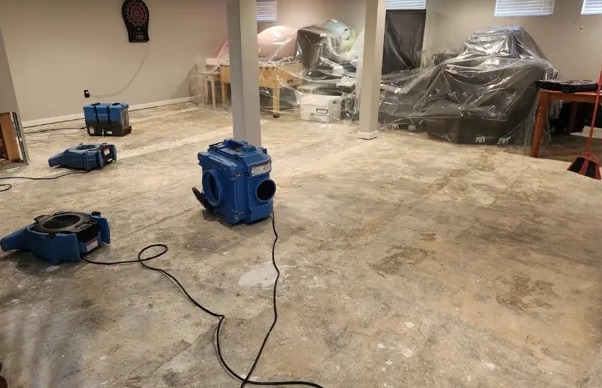
Local Temperature-Controlled Drying Solutions for Spring Hill Homes
In Spring Hill, water trapped in subfloors, wall cavities or behind cabinets dries slowly because the air there does not move.
In Spring Hill and nearby Bucyrus, Hillsdale and New Century, local pros take baseline moisture readings, then run air movers and dehumidifiers and log moisture levels as they drop.
Temperature-Controlled Drying Methods Available in Spring Hill
Climate-Controlled Drying Systems
The experts set up systems that control temperature, humidity and airflow together, adjusting them as moisture readings change.
Rapid Structural Drying Services
Fast structural drying uses high-velocity air movers, industrial dehumidifiers and sometimes heat, so families in Spring Hill can return home sooner and mold does not start.
Drying Equipment Deployment
Pros set up drying machines with safe power, condensate drainage and placement based on the moisture map.
Moisture Mapping
Systematic testing identifies moisture content percentages in all building materials. The experts compare readings to known dry standards.
Water Damage Drying Logs
Key data like psychrometric readings and material moisture content are meticulously recorded. These logs show a clear trend toward dryness, confirming the job's success.
Symptoms Needing Temperature-Controlled Drying in Spring Hill
Moisture Meter Shows High Readings
A moisture meter reading high inside walls or floors means drying is not finished.
Visible Mold Growth in Corners
Black, green or white specks in damp corners or on baseboards are usually mold, which means moisture has been there a while.
Warping of Wood Floors or Trim
Floorboards begin to cup, buckle, or separate at the seams. This warping is a direct result of excessive, uneven moisture content.
Cracking of Plaster or Joints
Plaster or drywall joint tape develops new cracks or fissures. These cracks occur as wet materials swell and then contract during drying.
How Temperature-Controlled Drying Works in Spring Hill
Step 1: Site Evaluation and Equipment Planning
The pros evaluate the site to determine the type and quantity of drying tools needed.
Step 2: Drying Equipment Setup
Industrial air movers and dehumidifiers are set up in the affected zones right away.
Step 3: Controlled Humidity Management
Dehumidifiers pull moist air out of the room, which keeps the air dry enough for materials to keep drying.
Step 4: Progress Tracking With Drying Logs
Temperature, humidity and moisture readings are recorded each day in a drying log.
Common Causes Requiring Structural Drying in Spring Hill
Sprinkler System Activation
A fire sprinkler discharges, releasing a large volume of water quickly. This event saturates entire areas and requires precise air mover placement and strategy.
HVAC System Condensation Issues
A clogged condensate drain line causes an overflow inside the air handler. This water can soak insulation and ductwork, creating a hidden moisture issue.
Roof Leak During Heavy Rain
Wind-driven rain through a damaged roof or flashing can run down inside wall cavities, where it needs targeted drying.
Inadequate Initial Water Extraction
Water left behind after a leak or flood moves into subfloors and walls, where it is harder to dry.
Residential & Commercial Temperature-Controlled Drying in Spring Hill
Residential Temperature-Controlled Drying
In condos and apartments, containment barriers and negative air machines keep moisture from moving into neighboring units while drying runs.
Commercial Temperature-Controlled Drying
Restaurants and food service businesses need rapid, sanitary drying to comply with health regulations after a water event. The pros use specialized equipment and antimicrobial treatments during the drying process.
Temperature-Controlled Drying: DIY Risks vs. Professional Care in Spring Hill
For a small, recent water spill, use towels to blot surface water and improve air circulation with fans. If water soaks into porous materials like drywall or carpet padding, contact the experts.
Investing in Professional Temperature-Controlled Drying in Spring Hill
In Spring Hill, cost depends on how complex the moisture mapping is and how much equipment the area needs.
Documentation Requirements
Detailed drying logs and moisture reports for insurance take extra time to prepare.
Structural Material Types
Porous materials like concrete or dense wood require more aggressive drying strategies and extended monitoring, influencing the project timeline and cost.
Humidity Control Measures
Controlling humidity in tight spaces often takes specialized drying equipment and frequent adjustments.
Does Insurance Cover Temperature-Controlled Drying?
Humidity control for restoration following a water incident might be considered under the drying portion of a claim. The pros in Spring Hill provide precise documentation of the controlled drying systems used and the results achieved.
Benefits of Local Moisture Control Experts for Temperature-Controlled Drying in Spring Hill
Ongoing Moisture Monitoring
Regular checks with moisture meters verify that drying goals are met, helping ensure no residual dampness remains within walls or floors.
Strategic Equipment Deployment
Air movers and dehumidifiers are placed according to a plan for even airflow and low humidity.
Comprehensive Drying Logs
Detailed, chronological logs of moisture readings and equipment settings provide a transparent record of the entire temperature-controlled drying process.
Round-the-Clock Emergency Temperature-Controlled Drying in Spring Hill
Water damage gets worse quickly as moisture spreads into materials. Call (816) 355-6039 24 hours a day to start drying in Spring Hill.
Call Now (816) 355-6039Local Temperature-Controlled Drying Coverage for Spring Hill, Bucyrus, Hillsdale and New Century
Temperature-controlled drying is available for homes and businesses in Spring Hill and nearby areas like Bucyrus, Hillsdale and New Century.
- Temperature-Controlled Drying in Bucyrus
- Temperature-Controlled Drying in Hillsdale
- Temperature-Controlled Drying in New Century
- Temperature-Controlled Drying in Gardner
- Temperature-Controlled Drying in Stilwell
- Temperature-Controlled Drying in Olathe
- Temperature-Controlled Drying in Edgerton
- Temperature-Controlled Drying in Louisburg
- Emergency Damage Restoration in 66083
- Storm Damage Restoration in 66083
- Water Damage Restoration in 66083
- Water Extraction Service in 66083
- Water Leak Detection in 66083
- Water Removal Service in 66083
Frequently Asked Questions About Temperature-Controlled Drying
What is temperature-controlled drying?
It is a drying method that controls heat and humidity together to remove moisture from building materials and contents safely and quickly.
What are the benefits of rapid structural drying services?
Rapid structural drying minimizes the time materials are wet, reducing the risk of swelling, warping, and secondary damage like mold, which helps preserve property value.
What is the difference between air movers and dehumidifiers?
Air movers evaporate moisture from surfaces into the air, and dehumidifiers pull it back out of the air.
Can rapid drying technology dry a property too quickly?
Yes, excessive heat or airflow can cause surface crusting, cracking, or other material stress, which is why professional drying balances speed with material-specific safety limits.
What are water damage drying logs used for?
Drying logs are detailed records of moisture readings, equipment settings, and progress; they provide documentation for the restoration process and are often required for insurance claims.