Olathe, KS · Johnson County
Temperature-Controlled Drying in Olathe, KSAir Mover Placement For Drying & Humidity Control For Restoration
In Olathe, Temperature-Controlled Drying from local temperature-controlled drying specialists includes rapid structural drying services, drying equipment deployment, and water damage drying logs for documented recovery.
Answered 24/7
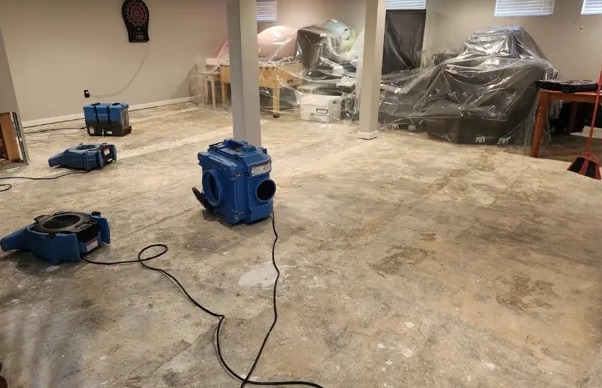
Temperature-Controlled Drying by Local Moisture Control Experts in Olathe
In Olathe, materials dry at different rates. Local pros map moisture content so each material gets the drying it needs.
In Olathe and nearby New Century, Lenexa and Gardner, local pros take baseline moisture readings, then run air movers and dehumidifiers and log moisture levels as they drop.
Temperature-Controlled Drying Methods Available in Olathe
Air Mover Placement for Drying
The specialists plan placement around furniture and walls, and may build air dams or blow air into cavities to cut drying time in Olathe homes.
Humidity Control for Restoration
The specialists size dehumidifiers from the moisture map, then pair them with air movers to carry moisture away from materials.
Water Damage Drying Logs
Key data like psychrometric readings and material moisture content are meticulously recorded. These logs show a clear trend toward dryness, confirming the job's success.
Thermal Drying for Water Damage
The specialists raise the room temperature in a controlled way to drive moisture out of dense materials like concrete slabs and beams, watching readings the whole time.
Drying Equipment Deployment
The specialists set up LGR dehumidifiers, axial fans and cavity drying systems to work together on the wet structure.
Symptoms Needing Temperature-Controlled Drying in Olathe
Condensation on Windows or Surfaces
Excess humidity causes water droplets to form on cold surfaces. This condensation confirms the indoor air has too much moisture.
Cold, Damp Feeling in a Room
A room feels noticeably colder and damper than the rest of the house. This sensation is often due to evaporative cooling from wet materials.
Visible Mold Growth in Corners
Black, green or white specks in damp corners or on baseboards are usually mold, which means moisture has been there a while.
Warping of Wood Floors or Trim
Floorboards begin to cup, buckle, or separate at the seams. This warping is a direct result of excessive, uneven moisture content.
How Temperature-Controlled Drying Works in Olathe
Step 1: Establishing the Drying Environment
The first step involves preparing the area by removing debris and setting up containment if needed.
Step 2: Implementing the Drying Array
Air movers and dehumidifiers are paired in a planned layout to dry walls and floors.
Step 3: Executing Temperature-Controlled Drying
The system executes temperature-controlled drying, maintaining ideal conditions to draw moisture out of materials.
Step 4: Final Verification and Documentation
Final verification compares moisture readings in affected materials to known dry standards in the home.
Common Causes Requiring Structural Drying in Olathe
Sprinkler System Activation
A fire sprinkler discharges, releasing a large volume of water quickly. This event saturates entire areas and requires precise air mover placement and strategy.
Foundation Cracks and Seepage
Hydrostatic pressure forces groundwater through cracks in the foundation wall. This seepage creates a constant dampness that challenges standard drying technology.
HVAC System Condensation Issues
A clogged condensate drain line causes an overflow inside the air handler. This water can soak insulation and ductwork, creating a hidden moisture issue.
Inadequate Initial Water Extraction
Water left behind after a leak or flood moves into subfloors and walls, where it is harder to dry.
Whole-Property Temperature-Controlled Drying in Olathe
Residential Temperature-Controlled Drying
In condos and apartments, containment barriers and negative air machines keep moisture from moving into neighboring units while drying runs.
Commercial Temperature-Controlled Drying
Restaurants and food service businesses need rapid, sanitary drying to comply with health regulations after a water event. The pros use specialized equipment and antimicrobial treatments during the drying process.
Professional Temperature-Controlled Drying vs. Do-It-Yourself in Olathe
Ventilating the area by opening windows can help if outdoor humidity is lower than indoors, but this is rarely controlled or sufficient. You can create a list of damaged items for a potential insurance claim.
Factors in Temperature-Controlled Drying Pricing for Olathe, KS
The specialists in Olathe base cost on the extent of the water damage, the humidity control needed and how long monitoring runs.
Drying Time Required
Longer drying periods for climate-controlled systems mean more equipment runtime and monitoring, impacting the overall cost of the restoration project.
Access and Logistics
Challenging site access in Olathe can complicate equipment deployment and placement, potentially increasing setup time and labor requirements.
Equipment Needs
The number and type of air movers, dehumidifiers and heaters used affect the cost.
Does Insurance Cover Temperature-Controlled Drying?
Humidity control for restoration following a water incident might be considered under the drying portion of a claim. The pros in Olathe provide precise documentation of the controlled drying systems used and the results achieved.
The Value of Local Specialists for Temperature-Controlled Drying in Olathe, KS
IICRC-Standard Drying Methods
Drying follows industry guidelines and is checked with meters, which keeps framing and floors from staying wet.
Strategic Equipment Deployment
Air movers and dehumidifiers are placed according to a plan for even airflow and low humidity.
24/7 Emergency Response
Quick action is critical to limit secondary damage, and the pros are available around the clock to begin the drying process.
24/7 Temperature-Controlled Drying for Emergencies in Olathe
For temperature-controlled drying after a leak or flood, call (816) 355-6039 any time. The pros can then start drying the structure.
Call Now (816) 355-6039Local Temperature-Controlled Drying Coverage for Olathe, New Century, Lenexa and Gardner
The pros dry structures and control humidity in Olathe and communities such as New Century, Lenexa and Gardner.
- Temperature-Controlled Drying in New Century
- Temperature-Controlled Drying in Lenexa
- Temperature-Controlled Drying in Gardner
- Temperature-Controlled Drying in Overland Park
- Temperature-Controlled Drying in Spring Hill
- Temperature-Controlled Drying in Clearview City
- Temperature-Controlled Drying in De Soto
- Temperature-Controlled Drying in Stilwell
- Emergency Damage Restoration in 66051
- Storm Damage Restoration in 66051
- Water Damage Restoration in 66051
- Water Extraction Service in 66051
- Water Leak Detection in 66051
- Water Removal Service in 66051
- Emergency Damage Restoration in 66061
- Storm Damage Restoration in 66061
Temperature-Controlled Drying Information and FAQs
When is climate-controlled drying necessary versus regular drying?
Climate-controlled drying is necessary for severe losses, sensitive materials, or when precise environmental control is needed to prevent damage, unlike simple air drying for minor spills.
What are water damage drying logs used for?
Drying logs are detailed records of moisture readings, equipment settings, and progress; they provide documentation for the restoration process and are often required for insurance claims.
Can rapid drying technology dry a property too quickly?
Yes, excessive heat or airflow can cause surface crusting, cracking, or other material stress, which is why professional drying balances speed with material-specific safety limits.
What does drying equipment deployment involve?
Pros assess the loss, calculate how much equipment is needed and place air movers, dehumidifiers and sometimes heaters.
How does humidity control aid in restoration?
Drier air pulls water out of wet materials faster, so lowering humidity speeds up drying.