Smithville, MO · Clay County
Temperature-Controlled Drying in Smithville, MOMoisture Mapping & Thermal Drying For Water Damage
Temperature-Controlled Drying in Smithville by local temperature-controlled drying specialists addresses thermal drying for water damage, climate-controlled drying systems, and moisture mapping to restore property.
Answered 24/7
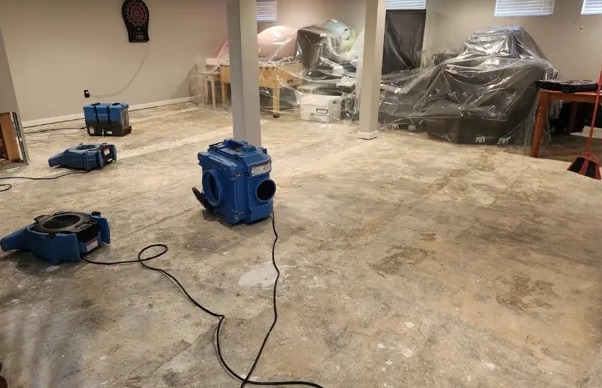
Targeted Temperature-Controlled Drying for Properties in Smithville
In Smithville, structural drying aims to bring materials back to their normal moisture level. Low humidity in the drying area helps pull moisture out of dense materials.
In Smithville and nearby Platte City, Gladstone and Kearney, local pros map moisture in walls and subfloors, then fit thermal drying and humidity control to the materials in the building.
Comprehensive Temperature-Controlled Drying Solutions for Smithville
Moisture Mapping
Moisture mapping uses penetrating and non-penetrating meters to document water migration. This creates a blueprint of wet areas, including hidden moisture behind walls.
Thermal Drying for Water Damage
Local temperature-controlled drying specialists raise the room temperature in a controlled way to drive moisture out of dense materials like concrete slabs and beams, watching readings the whole time.
Air Mover Placement for Drying
The specialists plan placement around furniture and walls, and may build air dams or blow air into cavities to cut drying time in Smithville homes.
Climate-Controlled Drying Systems
The specialists set up systems that control temperature, humidity and airflow together, adjusting them as moisture readings change.
Water Damage Drying Logs
The specialists in Smithville maintain drying logs as an official record. This data tracks moisture reduction over time and informs any needed adjustments to the drying strategy.
Warning Signs Requiring Temperature-Controlled Drying in Smithville
Paint Peeling or Bubbling Up
Paint loses adhesion and forms bubbles or peels away from the wall. This failure is caused by moisture trapped beneath the paint film.
Visible Mold Growth in Corners
Black, green or white specks in damp corners or on baseboards are usually mold, which means moisture has been there a while.
Soft Drywall or Sagging Ceiling
Drywall feels spongy to the touch or a ceiling sags downward. This softness means the material is saturated and structurally compromised.
Condensation on Windows or Surfaces
Excess humidity causes water droplets to form on cold surfaces. This condensation confirms the indoor air has too much moisture.
How Temperature-Controlled Drying Works in Smithville
Step 1: Initial Moisture Survey and Readings
Pros take baseline moisture readings across the property to plan the drying.
Step 2: Precision Air Mover Placement
Air movers are placed at set angles and distances to target specific wet materials.
Step 3: Deployment of Drying Systems
Dehumidifiers are sized to the moisture load and the size of the space.
Step 4: Ongoing Monitoring and Adjustment
Equipment is moved and adjusted as materials dry, so drying keeps moving.
Common Causes Requiring Structural Drying in Smithville
Appliance Malfunction or Overflow
A failed washing machine hose, water heater or dishwasher can release many gallons onto the floor.
Foundation Cracks and Seepage
Hydrostatic pressure forces groundwater through cracks in the foundation wall. This seepage creates a constant dampness that challenges standard drying technology.
Overflowing Sinks or Bathtubs
A simple blockage or forgetfulness leads to an overflow event. Water spreads quickly, soaking cabinetry and flooring, and requires thorough drying equipment deployment.
HVAC System Condensation Issues
A clogged condensate drain line causes an overflow inside the air handler. This water can soak insulation and ductwork, creating a hidden moisture issue.
Temperature-Controlled Drying for All Property Types in Smithville
Residential Temperature-Controlled Drying
In condos and apartments, containment barriers and negative air machines keep moisture from moving into neighboring units while drying runs.
Commercial Temperature-Controlled Drying
Restaurants and food service businesses need rapid, sanitary drying to comply with health regulations after a water event. The pros use specialized equipment and antimicrobial treatments during the drying process.
Temperature-Controlled Drying: DIY Risks vs. Professional Care in Smithville
A home's HVAC on 'fan only' mode can circulate air, but it is not a substitute for professional drying. A wet-dry vacuum can remove standing water from a very localized incident.
Understanding Temperature-Controlled Drying Cost in Smithville
In Smithville, the main price factors are how long drying takes and which equipment, such as heaters or desiccants, is used.
Moisture Mapping Complexity
Checking moisture in layered floors or hidden cavities takes more time and equipment.
Extent of Water Damage
The larger the area that needs drying, the more equipment and labor the job takes.
Equipment Needs
The number and type of air movers, dehumidifiers and heaters used affect the cost.
Does Insurance Cover Temperature-Controlled Drying?
Humidity control for restoration following a water incident might be considered under the drying portion of a claim. The pros in Smithville provide precise documentation of the controlled drying systems used and the results achieved.
Selecting Local Specialists for Temperature-Controlled Drying in Smithville
IICRC-Standard Drying Methods
Drying follows industry guidelines and is checked with meters, which keeps framing and floors from staying wet.
Strategic Equipment Deployment
Air movers and dehumidifiers are placed according to a plan for even airflow and low humidity.
Humidity Control for Restoration
Keeping the air dry draws moisture out of materials until the space is stable.
Emergency Temperature-Controlled Drying Response for Smithville, MO
Stop water damage from getting worse while materials sit wet. Call (816) 355-6039 24/7 for drying help from local pros in Smithville.
Call Now (816) 355-6039Temperature-Controlled Drying Near Smithville: Communities Served
The pros dry structures and control humidity in Smithville and communities such as Platte City, Gladstone and Kearney.
- Temperature-Controlled Drying in Platte City
- Temperature-Controlled Drying in Gladstone
- Temperature-Controlled Drying in Kearney
- Temperature-Controlled Drying in Weatherby Lake
- Temperature-Controlled Drying in Liberty
- Temperature-Controlled Drying in Excelsior Springs
- Temperature-Controlled Drying in Lansing
- Temperature-Controlled Drying in Kansas City
- Emergency Damage Restoration in 64089
- Storm Damage Restoration in 64089
- Water Damage Restoration in 64089
- Water Extraction Service in 64089
- Water Leak Detection in 64089
- Water Removal Service in 64089
Your Temperature-Controlled Drying Questions Addressed
When is climate-controlled drying necessary versus regular drying?
Climate-controlled drying is necessary for severe losses, sensitive materials, or when precise environmental control is needed to prevent damage, unlike simple air drying for minor spills.
How long does the temperature-controlled drying process take?
It depends on the damage, the materials and the conditions. Pros monitor readings and stop when moisture goals are met.
Is temperature-controlled drying safe for electronics or artwork?
Yes, when the pros use low heat and careful humidity control, it can be safe for drying sensitive materials and belongings.
What is the strategy behind air mover placement?
They are angled to move air across wet surfaces in a pattern, so moisture evaporates into the air where dehumidifiers can capture it.
What is the difference between air movers and dehumidifiers?
Air movers evaporate moisture from surfaces into the air, and dehumidifiers pull it back out of the air.