Lansing, KS · Leavenworth County
Temperature-Controlled Drying in Lansing, KSHumidity Control For Restoration & Moisture Mapping
In Lansing, Temperature-Controlled Drying from local temperature-controlled drying specialists includes rapid structural drying services, drying equipment deployment, and water damage drying logs for documented recovery.
Answered 24/7
Professional Temperature-Controlled Drying in Lansing, KS
In Lansing, water trapped in subfloors, wall cavities or behind cabinets dries slowly because the air there does not move.
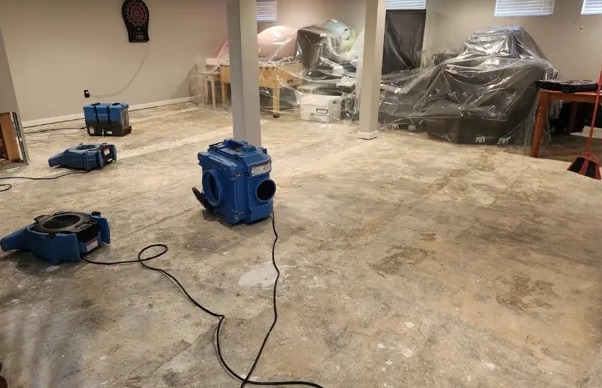
In Lansing and nearby Leavenworth, Piper and Basehor, local pros take baseline moisture readings, then run air movers and dehumidifiers and log moisture levels as they drop.
Comprehensive Temperature-Controlled Drying Solutions for Lansing
Humidity Control for Restoration
Local temperature-controlled drying specialists keep humidity low in properties in Lansing, so water evaporates from materials instead of soaking back in.
Moisture Mapping
The specialists take regular moisture readings throughout the project. This monitoring verifies equipment performance and guides strategy adjustments.
Thermal Drying for Water Damage
Controlled heat combats water damage in hard-to-dry areas like enclosed cavities. Expert calibration of drying equipment avoids harm to sensitive contents.
Climate-Controlled Drying Systems
Advanced systems allow precise manipulation of the drying environment. By controlling the dew point, the specialists can aggressively dry contents without risk.
Air Mover Placement for Drying
The tactical setup of air-moving equipment establishes cross-flow or focus drying patterns. The specialists adjust the strategy daily based on monitoring data, repositioning units.
When to Call for Temperature-Controlled Drying in Lansing, KS
Soft Drywall or Sagging Ceiling
Drywall feels spongy to the touch or a ceiling sags downward. This softness means the material is saturated and structurally compromised.
Moisture Meter Shows High Readings
A moisture meter reading high inside walls or floors means drying is not finished.
Cold, Damp Feeling in a Room
A room feels noticeably colder and damper than the rest of the house. This sensation is often due to evaporative cooling from wet materials.
Discoloration on Drywall or Ceilings
Yellow or brown water stains appear on surfaces that seem dry. These stains suggest moisture is still present inside the wall cavity.
How Temperature-Controlled Drying Works in Lansing
Step 1: Detailed Moisture Mapping Inspection
The experts use advanced sensors to map all affected areas, including hidden cavities.
Step 2: Strategic Air Mover Deployment
Based on the map, the pros position high-velocity air movers to create optimal airflow across wet surfaces.
Step 3: Climate-Controlled Drying Implementation
Industrial dehumidifiers are deployed to precisely control temperature and humidity in the contained space.
Step 4: Continuous Moisture Monitoring and Logs
Pros take regular moisture readings to track progress, adjusting equipment as needed. Detailed drying logs document the entire process for your records.
Sources of Water Intrusion Needing Moisture Removal in Lansing
Storm-Driven Water Intrusion
Heavy rain overflows gutters or gets in around windows and soaks framing and insulation.
Foundation Cracks and Seepage
Hydrostatic pressure forces groundwater through cracks in the foundation wall. This seepage creates a constant dampness that challenges standard drying technology.
Poor Ventilation After a Flood
Closing up a wet room traps humid air, which slows drying and lets moisture soak further into materials.
Sprinkler System Activation
A fire sprinkler discharges, releasing a large volume of water quickly. This event saturates entire areas and requires precise air mover placement and strategy.
Whole-Property Temperature-Controlled Drying in Lansing
Residential Temperature-Controlled Drying
At home, the pros dry wall cavities, subfloors and belongings with air movers and dehumidifiers, and keep drying logs for your insurance review.
Commercial Temperature-Controlled Drying
For businesses, rapid drying minimizes downtime and protects inventory, equipment, and building integrity. Large-scale drying systems are implemented to address moisture in offices, retail spaces, and warehouses.
Temperature-Controlled Drying vs. DIY Drying in Lansing
A home's HVAC on 'fan only' mode can circulate air, but it is not a substitute for professional drying. A wet-dry vacuum can remove standing water from a very localized incident.
Factors in Temperature-Controlled Drying Pricing for Lansing, KS
In Lansing, the price depends on the square footage, how long drying runs and which drying systems are used.
Access and Logistics
Challenging site access in Lansing can complicate equipment deployment and placement, potentially increasing setup time and labor requirements.
Equipment Needs
The number and type of air movers, dehumidifiers and heaters used affect the cost.
Drying Time Required
Longer drying periods for climate-controlled systems mean more equipment runtime and monitoring, impacting the overall cost of the restoration project.
Does Insurance Cover Temperature-Controlled Drying?
Coverage is not automatic and depends on your policy. Local pros provide humidity readings and equipment logs for your claim file. Your insurer decides what is covered.
Why Choose Local Specialists for Temperature-Controlled Drying in Lansing
Strategic Equipment Deployment
Air movers and dehumidifiers are placed according to a plan for even airflow and low humidity.
24/7 Emergency Response
Quick action is critical to limit secondary damage, and the pros are available around the clock to begin the drying process.
Comprehensive Drying Logs
Detailed, chronological logs of moisture readings and equipment settings provide a transparent record of the entire temperature-controlled drying process.
24/7 Temperature-Controlled Drying for Emergencies in Lansing
Wet walls and floors keep getting worse until they are dried. Call the pros at (816) 355-6039 to set up drying equipment.
Call Now (816) 355-6039Temperature-Controlled Drying Serving Lansing and Nearby Areas
Controlled drying with detailed drying logs is available in Lansing, and near Leavenworth, Piper and Basehor.
- Temperature-Controlled Drying in Leavenworth
- Temperature-Controlled Drying in Piper
- Temperature-Controlled Drying in Basehor
- Temperature-Controlled Drying in Platte City
- Temperature-Controlled Drying in Weatherby Lake
- Temperature-Controlled Drying in Bonner Springs
- Temperature-Controlled Drying in Tonganoxie
- Temperature-Controlled Drying in Edwardsville
- Emergency Damage Restoration in 66043
- Storm Damage Restoration in 66043
- Water Damage Restoration in 66043
- Water Extraction Service in 66043
- Water Leak Detection in 66043
- Water Removal Service in 66043
Temperature-Controlled Drying FAQs for Lansing Property Owners
What should a property owner do while waiting for help with drying?
If safe, remove obvious standing water with a mop or towels, move dry contents away from the wet area, and avoid using household fans which can spread contaminants.
How is drying progress verified during moisture monitoring?
Progress is verified by taking comparative moisture readings with penetrating and non-penetrating meters over time, ensuring levels drop to established dry standards for each material.
Why is moisture mapping important for drying?
Sensors measure moisture across the affected area to show exactly where it is wet, so equipment is aimed at the right spots.
What are water damage drying logs used for?
Drying logs are detailed records of moisture readings, equipment settings, and progress; they provide documentation for the restoration process and are often required for insurance claims.
What are the benefits of rapid structural drying services?
Rapid structural drying minimizes the time materials are wet, reducing the risk of swelling, warping, and secondary damage like mold, which helps preserve property value.