Bonner Springs, KS · Wyandotte County
Temperature-Controlled Drying in Bonner Springs, KSMoisture Mapping & Humidity Control For Restoration
For Temperature-Controlled Drying in Bonner Springs, local temperature-controlled drying specialists handle thermal drying for water damage, humidity control for restoration, and drying equipment deployment to prevent mold.
Answered 24/7
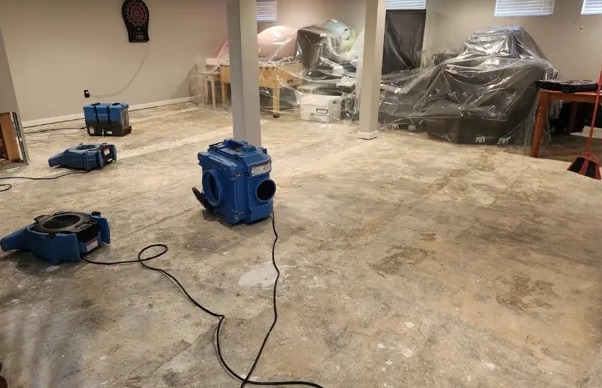
Local Temperature-Controlled Drying Solutions for Bonner Springs Homes
In Bonner Springs, moisture that dries unevenly can warp materials and leave hidden mold. Local pros control heat and airflow so drying is even and does not cause more damage.
In Bonner Springs and nearby Edwardsville, Piper and Basehor, local pros take baseline moisture readings, then run air movers and dehumidifiers and log moisture levels as they drop.
Advanced Temperature-Controlled Drying Techniques in Bonner Springs
Moisture Mapping
Local temperature-controlled drying specialists take regular moisture readings throughout the project. This monitoring verifies equipment performance and guides strategy adjustments.
Humidity Control for Restoration
The specialists size dehumidifiers from the moisture map, then pair them with air movers to carry moisture away from materials.
Thermal Drying for Water Damage
Controlled heat speeds up drying of wet materials in Bonner Springs, which helps prevent swelling wood and failed flooring adhesive.
Water Damage Drying Logs
The specialists create detailed, timestamped drying logs. These records track initial readings, daily progress, and final verification, providing proof that industry-standard drying was followed.
Drying Equipment Deployment
The specialists choose the mix of air movers, dehumidifiers and heaters from the size of the area, the materials and the moisture levels, then set it up to run safely.
Indicators for Temperature-Controlled Drying in Bonner Springs Properties
Soft Drywall or Sagging Ceiling
Drywall feels spongy to the touch or a ceiling sags downward. This softness means the material is saturated and structurally compromised.
Condensation on Windows or Surfaces
Excess humidity causes water droplets to form on cold surfaces. This condensation confirms the indoor air has too much moisture.
Moisture Meter Shows High Readings
A moisture meter reading high inside walls or floors means drying is not finished.
Visible Mold Growth in Corners
Black, green or white specks in damp corners or on baseboards are usually mold, which means moisture has been there a while.
How Temperature-Controlled Drying Works in Bonner Springs
Step 1: Assessment and Moisture Detection
The pros perform a thorough assessment using thermal imaging and moisture meters. This identifies the full extent of damage, guiding the drying plan.
Step 2: Containment and Airflow Strategy
Plastic barriers close off the wet area so humidity can be controlled, and air movers are placed to move air across wet materials.
Step 3: Thermal Drying System Activation
Specialized thermal drying equipment is activated to gently raise the air temperature in the space.
Step 4: Verification and Structural Drying Completion
Readings are compared with dry areas of the building to confirm drying is complete.
Sources of Water Intrusion Needing Moisture Removal in Bonner Springs
Sprinkler System Activation
A fire sprinkler discharges, releasing a large volume of water quickly. This event saturates entire areas and requires precise air mover placement and strategy.
Poor Ventilation After a Flood
Closing up a wet room traps humid air, which slows drying and lets moisture soak further into materials.
HVAC System Condensation Issues
A clogged condensate drain line causes an overflow inside the air handler. This water can soak insulation and ductwork, creating a hidden moisture issue.
Overflowing Sinks or Bathtubs
A simple blockage or forgetfulness leads to an overflow event. Water spreads quickly, soaking cabinetry and flooring, and requires thorough drying equipment deployment.
Temperature-Controlled Drying for Homes and Businesses in Bonner Springs
Residential Temperature-Controlled Drying
At home, moisture hides in attics, crawl spaces and behind finished walls. Pros map it before setting up equipment so the whole house dries.
Commercial Temperature-Controlled Drying
In offices, schools and clinics, pros use quieter drying equipment that can run in occupied spaces, and document when drying is complete.
When to Hire Local Specialists for Temperature-Controlled Drying in Bonner Springs
After the water is removed, wipe hard surfaces like tile or sealed wood with a disinfectant, and shut off the water source if it is still leaking.
Factors in Temperature-Controlled Drying Pricing for Bonner Springs, KS
In Bonner Springs, the cost depends on how much drying equipment is used and how long it runs, plus the moisture readings taken along the way.
Access and Logistics
Challenging site access in Bonner Springs can complicate equipment deployment and placement, potentially increasing setup time and labor requirements.
Structural Material Types
Porous materials like concrete or dense wood require more aggressive drying strategies and extended monitoring, influencing the project timeline and cost.
Humidity Control Measures
Controlling humidity in tight spaces often takes specialized drying equipment and frequent adjustments.
Does Insurance Cover Temperature-Controlled Drying?
Whether insurance pays for thermal drying for water damage depends on your policy's specific language and the cause of loss. The pros meticulously record moisture levels and drying progress to create a verifiable log for your adjuster.
The Value of Local Specialists for Temperature-Controlled Drying in Bonner Springs, KS
Advanced Moisture Mapping
Moisture meters and thermal cameras find hidden wet pockets so every affected material is dried.
Ongoing Moisture Monitoring
Regular checks with moisture meters verify that drying goals are met, helping ensure no residual dampness remains within walls or floors.
Comprehensive Drying Logs
Detailed, chronological logs of moisture readings and equipment settings provide a transparent record of the entire temperature-controlled drying process.
Emergency Temperature-Controlled Drying Response for Bonner Springs, KS
For temperature-controlled drying after a leak or flood, call (816) 355-6039 any time. The pros can then start drying the structure.
Call Now (816) 355-6039Temperature-Controlled Drying Near Bonner Springs: Communities Served
Controlled drying with detailed drying logs is available in Bonner Springs, and near Edwardsville, Piper and Basehor.
- Temperature-Controlled Drying in Edwardsville
- Temperature-Controlled Drying in Piper
- Temperature-Controlled Drying in Basehor
- Temperature-Controlled Drying in Lake Quivira
- Temperature-Controlled Drying in De Soto
- Temperature-Controlled Drying in Linwood
- Temperature-Controlled Drying in Clearview City
- Temperature-Controlled Drying in Tonganoxie
- Emergency Damage Restoration in 66012
- Storm Damage Restoration in 66012
- Water Damage Restoration in 66012
- Water Extraction Service in 66012
- Water Leak Detection in 66012
- Water Removal Service in 66012
Temperature-Controlled Drying Information and FAQs
How long does the temperature-controlled drying process take?
It depends on the damage, the materials and the conditions. Pros monitor readings and stop when moisture goals are met.
What happens if hidden moisture is not found during mapping?
Undetected moisture can lead to ongoing deterioration, odor issues, and mold growth inside walls or under floors, underscoring the critical need for thorough initial assessment.
What should a property owner do while waiting for help with drying?
If safe, remove obvious standing water with a mop or towels, move dry contents away from the wet area, and avoid using household fans which can spread contaminants.
How is drying progress verified during moisture monitoring?
Progress is verified by taking comparative moisture readings with penetrating and non-penetrating meters over time, ensuring levels drop to established dry standards for each material.
What is the difference between air movers and dehumidifiers?
Air movers evaporate moisture from surfaces into the air, and dehumidifiers pull it back out of the air.