Parkville, MO · Platte County
Temperature-Controlled Drying in Parkville, MOThermal Drying For Water Damage & Humidity Control For Restoration
Temperature-Controlled Drying in Parkville includes thermal drying for water damage, rapid structural drying services, and humidity control for restoration managed by local drying equipment pros.
Answered 24/7
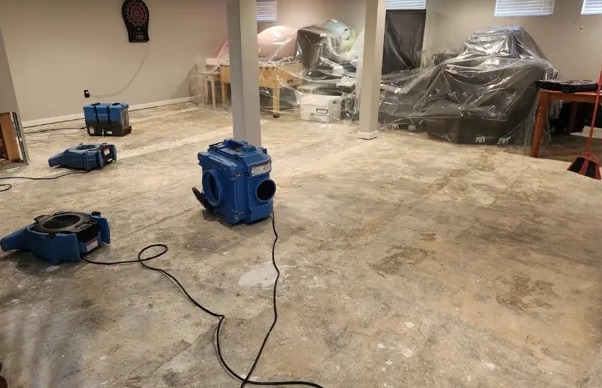
Temperature-Controlled Drying by Local Moisture Control Experts in Parkville
In Parkville, materials dry at different rates. Local pros map moisture content so each material gets the drying it needs.
In Parkville and nearby Weatherby Lake, Kansas City and Gladstone, local pros map moisture in walls and subfloors, then fit thermal drying and humidity control to the materials in the building.
Temperature-Controlled Drying Methods Available in Parkville
Thermal Drying for Water Damage
The pros apply thermal energy to enhance air mover and dehumidifier effectiveness. This lowers relative humidity, creating a stronger force to pull moisture from materials.
Humidity Control for Restoration
The pros keep humidity low in properties in Parkville, so water evaporates from materials instead of soaking back in.
Moisture Mapping
The pros take moisture readings at many points and depths to map every wet area and set drying goals, so nothing is missed.
Climate-Controlled Drying Systems
For complex jobs, the pros use industrial equipment to keep humid air from re-wetting materials, so walls dry all the way through.
Air Mover Placement for Drying
Expert deployment of air movers displaces the saturated air layer clinging to wet materials. Proper placement helps ensure every surface receives directed airflow, the engine of evaporation.
When to Call for Temperature-Controlled Drying in Parkville, MO
Equipment Running With No Result
Fans or dehumidifiers that run for days without drying the area mean the moisture is deeper than household equipment can reach.
Visible Mold Growth in Corners
Black, green or white specks in damp corners or on baseboards are usually mold, which means moisture has been there a while.
Moisture Meter Shows High Readings
A moisture meter reading high inside walls or floors means drying is not finished.
Paint Peeling or Bubbling Up
Paint loses adhesion and forms bubbles or peels away from the wall. This failure is caused by moisture trapped beneath the paint film.
How Temperature-Controlled Drying Works in Parkville
Step 1: Initial Moisture Survey and Readings
Pros take baseline moisture readings across the property to plan the drying.
Step 2: Precision Air Mover Placement
Air movers are placed at set angles and distances to target specific wet materials.
Step 3: Deployment of Drying Systems
Dehumidifiers are sized to the moisture load and the size of the space.
Step 4: Ongoing Monitoring and Adjustment
Equipment is moved and adjusted as materials dry, so drying keeps moving.
What Leads to Needing Temperature-Controlled Drying in Parkville
Sprinkler System Activation
A fire sprinkler discharges, releasing a large volume of water quickly. This event saturates entire areas and requires precise air mover placement and strategy.
HVAC System Condensation Issues
A clogged condensate drain line causes an overflow inside the air handler. This water can soak insulation and ductwork, creating a hidden moisture issue.
Overflowing Sinks or Bathtubs
A simple blockage or forgetfulness leads to an overflow event. Water spreads quickly, soaking cabinetry and flooring, and requires thorough drying equipment deployment.
Inadequate Initial Water Extraction
Water left behind after a leak or flood moves into subfloors and walls, where it is harder to dry.
Whole-Property Temperature-Controlled Drying in Parkville
Residential Temperature-Controlled Drying
At home, moisture hides in attics, crawl spaces and behind finished walls. Pros map it before setting up equipment so the whole house dries.
Commercial Temperature-Controlled Drying
In offices, schools and clinics, pros use quieter drying equipment that can run in occupied spaces, and document when drying is complete.
Temperature-Controlled Drying vs. DIY Drying in Parkville
Photograph all affected areas and items for insurance and move undamaged belongings to a dry room. Drying the structure takes industrial equipment that DIY gear cannot replace.
Investing in Professional Temperature-Controlled Drying in Parkville
In Parkville, the main price factors are how long drying takes and which equipment, such as heaters or desiccants, is used.
Humidity Control Measures
Controlling humidity in tight spaces often takes specialized drying equipment and frequent adjustments.
Access and Logistics
Challenging site access in Parkville can complicate equipment deployment and placement, potentially increasing setup time and labor requirements.
Drying Time Required
Longer drying periods for climate-controlled systems mean more equipment runtime and monitoring, impacting the overall cost of the restoration project.
Does Insurance Cover Temperature-Controlled Drying?
Whether insurance pays for thermal drying for water damage depends on your policy's specific language and the cause of loss. The pros meticulously record moisture levels and drying progress to create a verifiable log for your adjuster.
Advantages of Hiring Local Pros in Parkville for Temperature-Controlled Drying
Comprehensive Drying Logs
Detailed, chronological logs of moisture readings and equipment settings provide a transparent record of the entire temperature-controlled drying process.
Advanced Moisture Mapping
Moisture meters and thermal cameras find hidden wet pockets so every affected material is dried.
IICRC-Standard Drying Methods
Drying follows industry guidelines and is checked with meters, which keeps framing and floors from staying wet.
Emergency Moisture Control in Parkville
For thermal drying and moisture mapping in Parkville, call (816) 355-6039 for help from the pros, day or night, and ask how they will track moisture until the materials are dry.
Call Now (816) 355-6039Temperature-Controlled Drying in Parkville and Other Areas Served
The places below are also served, and each one has its own page.
- Temperature-Controlled Drying in Weatherby Lake
- Temperature-Controlled Drying in Kansas City
- Temperature-Controlled Drying in Gladstone
- Temperature-Controlled Drying in Piper
- Temperature-Controlled Drying in Roeland Park
- Temperature-Controlled Drying in Merriam
- Temperature-Controlled Drying in Prairie Village
- Temperature-Controlled Drying in Independence
Your Temperature-Controlled Drying Questions Addressed
What should a property owner do while waiting for help with drying?
If safe, remove obvious standing water with a mop or towels, move dry contents away from the wet area, and avoid using household fans which can spread contaminants.
What materials benefit most from controlled drying systems?
Porous structural materials like drywall, wood framing, and concrete, as well as contents like documents and furniture, benefit greatly from controlled, gradual drying to prevent ruin.
How long does the temperature-controlled drying process take?
It depends on the damage, the materials and the conditions. Pros monitor readings and stop when moisture goals are met.
What are water damage drying logs used for?
Drying logs are detailed records of moisture readings, equipment settings, and progress; they provide documentation for the restoration process and are often required for insurance claims.
Can temperature-controlled drying prevent mold growth?
By rapidly removing moisture and controlling humidity, the process creates an environment where mold cannot thrive, significantly reducing the potential for mold.