Parkville, MO · Platte County
Bedroom Water Removal in Parkville, MOBedroom Water Extraction & Ceiling Leak Water Cleanup
Homeowners in Parkville get Bedroom Water Removal for wet carpet removal, water damaged drywall repair and emergency flood cleanup.
Answered 24/7
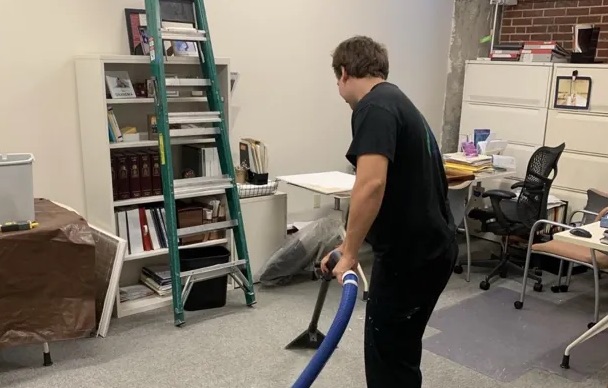
Emergency Water Extraction and Bedroom Water Removal in Parkville
A burst pipe in an exterior bedroom wall in Parkville can soak insulation, drywall and carpet before anyone notices the water. Often the first sign is wet carpet along the wall.
Homes in Parkville and nearby Weatherby Lake, Kansas City and Gladstone see bedroom water damage from bathroom leaks, roof leaks and attic AC overflows. Help with bedroom water removal covers extraction, carpet removal and drying of walls and ceilings.
Complete Bedroom Water Removal Solutions in Parkville, MO
Bedroom Water Extraction
Weighted extraction tools press water out of carpet and pad, and wet vacs clear the edges along baseboards and under the bed.
Ceiling Leak Water Cleanup
Ceiling leaks from a roof, attic AC unit or bathroom above are traced to the source so the right repair can follow.
Emergency Flood Cleanup
Emergency cleanup starts with stopping the water and making power safe, then extracting standing water right away.
Bedroom Mold Prevention
Fast drying is the main way to limit microbial growth in a bedroom after a leak. Framing that stayed wet can be treated once it is dry.
Bedroom Humidity Control
Humidity is checked along with material readings, so drying stops only when both the air and the structure are dry.
Indicators You Need Professional Water Extraction in Parkville
Wet Insulation in Exterior Walls
Cold, damp spots on an exterior wall can mean wet insulation from a leaking pipe or window.
Puddles on Bedroom Flooring
Water on the bedroom floor, even a small puddle by a wall or closet, means something nearby is leaking.
Mold or Mildew
Dark spots on walls, carpet backing or closet items mean an area has stayed wet for days.
Visible Stains on Ceiling
A brown ring or yellow spot on the bedroom ceiling usually means water is coming from the roof, attic or bathroom above.
How Bedroom Water Removal Works in Parkville
Step 1: Emergency Water Extraction
The source is stopped and standing water is extracted from carpet, floors and closets right away.
Step 2: Detailed Moisture Detection
Meters and thermal cameras check carpet pad, walls, closets and the ceiling for hidden water.
Step 3: Drying and Dehumidification
Air movers and dehumidifiers dry the subfloor and walls, with readings logged every day.
Step 4: Sanitation and Damage Documentation
Surfaces touched by dirty water are cleaned, and photos and readings are recorded for insurance.
Why Bedrooms Need Water Removal in Parkville
Overflowing Bathtubs or Sinks
An overflowing tub or sink in an adjoining bathroom runs under the wall into the bedroom.
Window Seal Failures
Worn window seals and flashing let rain run into the wall and onto the floor below the window.
Faulty Appliance Connections
Washer hoses and water heater lines in a nearby closet can leak under the bedroom wall.
HVAC Condensation Drain Issues
A clogged AC condensate line in the attic or closet overflows onto the bedroom ceiling or floor.
Residential and Commercial Bedroom Water Removal in Parkville
Residential Bedroom Water Removal
Families need to know when the bedroom will be usable again. Drying usually takes several days, and the pros explain what is being removed and how long equipment will run.
Commercial Bedroom Water Removal
Property managers get photos and readings for each affected room, which helps with tenant communication and insurance claims.
DIY Risks vs. Professional Bedroom Water Removal in Parkville
You can move furniture and belongings out of the wet area, lift wet items off the carpet and take photos. Drying carpet pad and subfloor takes extraction equipment and moisture readings.
What Affects Bedroom Water Removal Pricing in Parkville?
Saving carpet by drying it in place keeps the cost of bedroom water removal in Parkville lower than full carpet and pad replacement.
Secondary Repairs
Replacing carpet, drywall and paint after drying are separate repair costs from the water removal.
Required Drying Time
Subfloors and wall cavities can take several days to dry, and each day adds equipment time.
Specialized Equipment
Thermal cameras, extra dehumidifiers or air scrubbers for larger jobs add to the total.
Does Insurance Cover Bedroom Water Removal?
Coverage for bedroom water removal depends on the cause and your policy. The pros document the damage and drying, and your insurer decides what is covered.
Why Choose Local Pros for Bedroom Water Removal in Parkville
Wet Carpet Removal
Wet pad is removed and carpet is saved when possible, which keeps replacement costs down.
Structural Drying Services
Subfloors, wall cavities and framing are dried, not just the carpet you can see.
Damage Documentation
Photos, readings and drying logs are kept to support your insurance claim.
24/7 Bedroom Water Removal Response in Parkville, MO
Night, weekend or holiday, local restoration pros handle bedroom water damage in Parkville. Call (816) 355-6039 to get the water out and drying started.
Call Now (816) 355-6039Bedroom Water Removal in Parkville and Other Areas Served
Other places served are listed below, each with its own page.
Your Bedroom Water Removal Questions for Parkville
What tools are used for bedroom leak detection?
Moisture meters, thermal cameras and sometimes hygrometers to check carpet, walls, closets and the ceiling.
How does emergency flood cleanup differ from regular water removal?
It starts right away, day or night, to stop water from spreading into more rooms and the floor below.
Can wet bedroom carpet be saved?
Often yes, if the water was clean and removed quickly. The pad is usually replaced, while the carpet is dried and relaid.
When is wet carpet removal necessary?
When the water was dirty, the carpet was wet for days or the backing has separated from the carpet.
Does a small bedroom leak need professional drying?
If water reached carpet pad, walls or the subfloor, yes. Those areas stay damp even when the surface feels dry.