St. Joseph, MO · Buchanan County
Roof Leak Water Removal in St. Joseph, MOStructural Drying Services & Emergency Roof Tarping
Roof Leak Water Removal in St. Joseph covers emergency roof tarping, attic water extraction, ceiling water damage cleanup and wet insulation removal.
Answered 24/7
Roof Leak Cleanup and Drying in St. Joseph
Roof Leak Water Removal deals with the water that a roof leak puts inside the house: in the attic, on top of the ceiling, inside walls and on floors.
Roof leak water removal is available in St. Joseph and nearby Atchison. The pros tarp the opening if needed, extract the water and dry the attic framing and ceiling drywall.
Attic and Ceiling Water Removal in St. Joseph
Structural Drying Services
Wet framing in St. Joseph attics is dried with directed airflow and dehumidification. Daily readings show when the wood is dry enough for repairs.
Emergency Roof Tarping
When shingles are torn or a branch has punched a hole, the pros cover the opening with a weighted or battened tarp before they start drying the attic.
Wet Insulation Removal
Soaked batts and blown insulation hold water against the ceiling and framing for weeks. The pros bag and remove it so the attic can dry.
Leak Source Identification
The pros follow the water trail from the stain up through the attic to the decking, flashing or vent where rain is getting in, and note it for the roofer.
Wall Cavity Drying
Water that follows a top plate or a pipe chase can soak insulation inside a wall. Moisture meters find it, and air is pushed into the cavity to dry it.
Signs of a Roof Leak in Your St. Joseph Home
Damp Baseboards on Exterior Walls
Wet or swelling baseboards under a ceiling stain mean water has traveled down the wall cavity from the attic.
Wet or Flattened Insulation
Insulation that is matted, stained or damp to the touch in the attic means rain is getting past the roof deck.
Dark Spots on Attic Wood
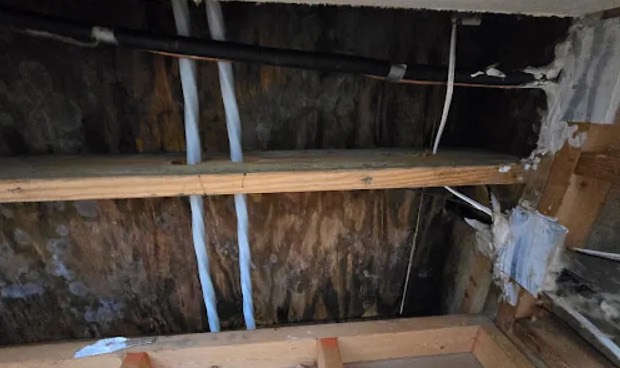
Dark streaks or spots on rafters and roof decking show where water has been running or sitting for a while.
Peeling Paint on Upper Walls
Bubbling or peeling paint near the ceiling line on exterior walls points to water running down inside the wall.
How Roof Leak Water Removal Works in St. Joseph
Step 1: Stop the Water
The opening in the roof is tarped and drips inside are caught, so no more rain reaches the attic while the cleanup starts.
Step 2: Attic Water Extraction
Standing water is pulled from the attic floor and from on top of the ceiling with wet vacuums and portable extractors.
Step 3: Remove Wet Insulation
Soaked insulation is bagged and taken out so the drywall and joists underneath are open to air.
Step 4: Structural Drying
Air movers and dehumidifiers dry the rafters, decking and ceiling, with readings taken each day until the wood is dry.
Why Water Gets Into the Attic in St. Joseph
Skylight Seals
Skylight gaskets and curb flashing wear out, and water runs into the shaft and down the drywall around the opening.
Open Roof Valleys
Valleys carry the most water on a roof. Worn or poorly sealed valleys let that concentrated flow into the decking.
Nail Pops and Old Penetrations
Nails that back out and holes left from old dishes or antennas open small paths for water that grow with each storm.
Aging Roofing Materials
As shingles age they curl, lose granules and crack, and slow leaks start where the roof covering has worn thin.
Roof Leak Water Removal for Every Property in St. Joseph, MO
Residential Roof Leak Water Removal
Attic work in a house is tight. Local roof leak water removal pros in St. Joseph work from the joists, remove wet insulation and dry the ceiling drywall without stepping through it.
Commercial Roof Leak Water Removal
Leaks over stores and offices can wet stock, desks and electronics. The pros move contents out of the drip zone, extract the water and set up drying for the affected suites.
When a Roof Leak Is Too Big for DIY
A wet-dry vacuum can pick up water from hard floors you can reach safely. Household vacuums are not made for water and can shock you.
Factors in Roof Leak Water Removal Cost in St. Joseph
In St. Joseph, the biggest cost drivers after a roof leak are wet insulation, wet ceiling drywall and how hard the attic is to work in.
Drying Time
Each extra day of air movers, dehumidifiers and moisture checks adds to the cost, so wet wood that dries slowly costs more.
Size of the Wet Area
The square footage of wet attic, ceiling and wall sets how much equipment is needed and how long it runs.
Insulation Removal
Bagging and hauling soaked insulation takes labor, and the attic needs new insulation once the framing is dry.
Does Insurance Cover Roof Leak Water Removal?
The pros keep photos, moisture maps and a list of removed materials. You file the claim with your insurer and share these records with the adjuster.
Why Professional Roof Leak Water Removal Pays Off
Contents Moved Out of Harm
Belongings under the leak are moved, covered or dried so they do not keep soaking while the attic is worked on.
Notes for the Roofer
The entry point and the path the water took are documented so the roofer knows exactly where to look.
Records for Your Claim
Photos, readings and a materials list give your adjuster a clear picture of what the roof leak damaged.
Around-the-Clock Roof Leak Water Removal in St. Joseph
Do not wait for a dry day to deal with a roof leak. Call (816) 355-6039 24/7 to stop the water and start drying the attic and ceilings.
Call Now (816) 355-6039Local Roof Leak Water Removal Coverage for St. Joseph
Each place listed below has its own page with local details.
- Roof Leak Water Removal in Atchison
- Roof Leak Water Removal in Platte City
- Roof Leak Water Removal in Smithville
- Roof Leak Water Removal in Leavenworth
- Roof Leak Water Removal in Cameron
- Roof Leak Water Removal in Lansing
- Roof Leak Water Removal in Kearney
- Roof Leak Water Removal in Weatherby Lake
- Emergency Damage Restoration in 64501
- Storm Damage Restoration in 64501
- Water Damage Restoration in 64501
- Water Extraction Service in 64501
- Water Leak Detection in 64501
- Water Removal Service in 64501
- Emergency Damage Restoration in 64502
- Storm Damage Restoration in 64502
FAQ: Roof Leaks, Attics and Ceilings
Why should rainwater be removed from the attic quickly?
Water in the attic soaks through the ceiling into the rooms below and keeps the framing wet. Removing it early limits drywall and insulation losses.
How soon should water removal start after a roof leak?
As soon as possible. Wet drywall and insulation can start to grow mold in 24 to 48 hours, and a ceiling holding water can sag and fall.
How do the pros find where a roof is leaking?
They trace the water from the stain up into the attic, follow it along the rafters and decking, and use moisture meters to find the entry point.
How is water removed from an attic?
Standing water is pulled out with wet vacuums and extractors, then soaked insulation is removed so the ceiling and framing can be dried.
What tools help find a hidden roof leak?
Moisture meters, thermal cameras and a careful look at the attic decking help the pros spot wet areas that are not visible from below.