Lansing, KS · Leavenworth County
Roof Leak Water Removal in Lansing, KSCeiling Water Damage Cleanup & Attic Water Extraction
Roof Leak Water Removal in Lansing includes emergency roof tarping, ceiling water damage cleanup, wall cavity drying and wet contents protection.
Answered 24/7
Roof Leak Water Removal in Lansing, KS
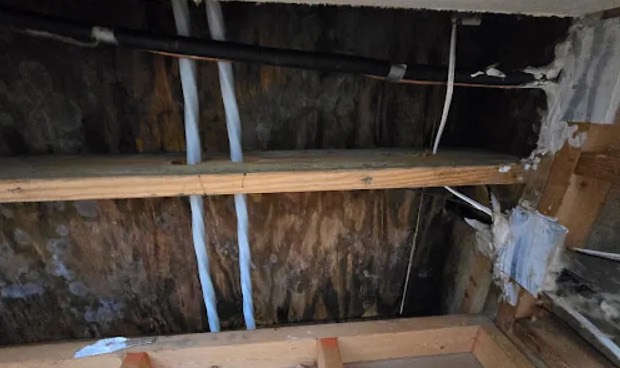
Water from a roof leak lands on the ceiling first. Drywall can hold only so much before it sags, so getting water out of the attic quickly protects the room below.
Roof leak water removal is available in Lansing and nearby Leavenworth, Piper and Basehor. The pros tarp the opening if needed, extract the water and dry the attic framing and ceiling drywall.
What Roof Leak Water Removal Covers in Lansing
Ceiling Water Damage Cleanup
Stained or sagging drywall is checked with a moisture meter. Sections that are soft or bowed are cut out so the cavity above can dry and the ceiling can be patched.
Attic Water Extraction
Water that pools on attic floors, vapor barriers or ceiling drywall is pulled out with wet vacuums and portable extractors before it soaks through to the room below.
Wet Contents Protection
Belongings stored in the attic or sitting under a dripping ceiling are moved to a dry room so they do not keep absorbing water while drying runs.
Wall Cavity Drying
Roof leaks often run down inside exterior walls. The pros check wall cavities under the leak and dry them through small holes or by removing the baseboard.
Leak Source Identification
The pros follow the water trail from the stain up through the attic to the decking, flashing or vent where rain is getting in, and note it for the roofer.
Signs You Need Roof Leak Water Removal
Wet or Flattened Insulation
Insulation that is matted, stained or damp to the touch in the attic means rain is getting past the roof deck.
Puddles Under the Ceiling
Water on the floor under a stain or a drip means the ceiling above is already holding more than it can absorb.
Peeling Paint on Upper Walls
Bubbling or peeling paint near the ceiling line on exterior walls points to water running down inside the wall.
Rusty Nails in the Attic
Rust on roofing nails or metal straps in the attic means moisture has been collecting there over many rains.
How Roof Leak Water Removal Works in Lansing
Step 1: Assess the Leak
The pros look at the roof, attic and ceilings to see how long the leak has been running and what it has soaked.
Step 2: Remove Water and Debris
Water, wet insulation and fallen drywall are cleared out so the attic and room below can dry evenly.
Step 3: Clean Wet Surfaces
Wood and drywall that stayed wet for a day or more are cleaned and treated before drying to limit odor and mold.
Step 4: Monitor Until Dry
Readings are taken on each visit and the equipment is moved as areas dry, until every wet spot reaches its target.
Where Roof Leaks Start in Lansing
Aging Roofing Materials
As shingles age they curl, lose granules and crack, and slow leaks start where the roof covering has worn thin.
Nail Pops and Old Penetrations
Nails that back out and holes left from old dishes or antennas open small paths for water that grow with each storm.
Skylight Seals
Skylight gaskets and curb flashing wear out, and water runs into the shaft and down the drywall around the opening.
Worn Flashing
Flashing around chimneys, skylights and wall joints can crack, rust or pull loose, and water runs in along the gap.
Roof Leaks in Lansing Homes and Commercial Buildings
Residential Roof Leak Water Removal
In older Lansing homes, leaks often follow old chimney chases or plaster ceilings. The pros check these areas closely because plaster holds water longer than drywall.
Commercial Roof Leak Water Removal
Warehouses and shops with large roof areas can have several leaks at once. The pros map each wet area, extract water and dry the structure section by section.
DIY Steps and Their Limits After a Roof Leak in Lansing
If water is near lights or outlets, turn off that circuit at the breaker. Do not stand on a wet floor to reach a fixture that is dripping.
What Roof Leak Water Removal Costs in Lansing
Leaks found early cost less to clean up. Water that sat for a long time can mean more drywall and insulation to replace and longer drying.
Drying Time
Each extra day of air movers, dehumidifiers and moisture checks adds to the cost, so wet wood that dries slowly costs more.
Size of the Wet Area
The square footage of wet attic, ceiling and wall sets how much equipment is needed and how long it runs.
Attic Access
Low, tight attics with little floor to stand on take longer to work in than open attics with a walkway.
Does Insurance Cover Roof Leak Water Removal?
Insurance may pay for water removal and drying after a covered roof leak, while the roof repair is handled under different terms. Check your policy and deductible.
Why Call Local Restoration Pros for Roof Leak Water Removal in Lansing
24/7 Help During Storms
Roof leaks happen when it rains, often at night. Help is available around the clock, so tarping and extraction can start once it is safe.
Records for Your Claim
Photos, readings and a materials list give your adjuster a clear picture of what the roof leak damaged.
Finding Hidden Water
Thermal cameras and moisture meters find wet insulation and wall cavities that are not visible from the room below.
Roof Leaking Right Now in Lansing?
For an active roof leak in Lansing, call (816) 355-6039. Local restoration pros handle the tarp, the water in the attic and the drying of the rooms below.
Call Now (816) 355-6039Roof Leak Water Removal Near Lansing: Areas Served
The pros cover Lansing and surrounding communities including Leavenworth, Piper and Basehor for roof leak tarping, extraction and drying.
- Roof Leak Water Removal in Leavenworth
- Roof Leak Water Removal in Piper
- Roof Leak Water Removal in Basehor
- Roof Leak Water Removal in Platte City
- Roof Leak Water Removal in Weatherby Lake
- Roof Leak Water Removal in Bonner Springs
- Roof Leak Water Removal in Tonganoxie
- Roof Leak Water Removal in Edwardsville
- Emergency Damage Restoration in 66043
- Storm Damage Restoration in 66043
- Water Damage Restoration in 66043
- Water Extraction Service in 66043
- Water Leak Detection in 66043
- Water Removal Service in 66043
Common Questions After a Roof Leak
Is it safe to stay in a room with a wet ceiling?
Keep people out from under a ceiling that sags or drips. Turn off power to wet light fixtures until the ceiling has been checked.
How soon should water removal start after a roof leak?
As soon as possible. Wet drywall and insulation can start to grow mold in 24 to 48 hours, and a ceiling holding water can sag and fall.
Why should rainwater be removed from the attic quickly?
Water in the attic soaks through the ceiling into the rooms below and keeps the framing wet. Removing it early limits drywall and insulation losses.
What happens after the water is removed?
Drying equipment runs and the pros take readings until the attic and ceiling are dry. Then the roofer and drywall repairs can go ahead.
What is roof leak water removal?
It is the work of getting rainwater out of the attic, ceiling, walls and floors after a roof leak and drying the structure. The roof repair itself is done by a roofer.