Kansas City, MO · Jackson County
Roof Leak Water Damage Cleanup in Kansas City, MOAttic Water Extraction & Wet Insulation Removal
For roof leak water damage cleanup in Kansas City, local restoration pros handle attic water extraction, wet insulation removal, structural drying services and leak source identification.
Answered 24/7
Help With Roof Leak Water Damage in Kansas City
A roof leak rarely stays in one spot. Rain soaks the decking, runs along rafters, pools on the ceiling drywall and can drip into walls before a stain shows in the room below.
Roof leak water removal is available in Kansas City and nearby Westwood, Roeland Park and Mission Hills. The pros tarp the opening if needed, extract the water and dry the attic framing and ceiling drywall.
Attic and Ceiling Water Removal in Kansas City
Attic Water Extraction
Water that pools on attic floors, vapor barriers or ceiling drywall is pulled out with wet vacuums and portable extractors before it soaks through to the room below.
Wet Insulation Removal
Soaked batts and blown insulation hold water against the ceiling and framing for weeks. The pros bag and remove it so the attic can dry.
Leak Source Identification
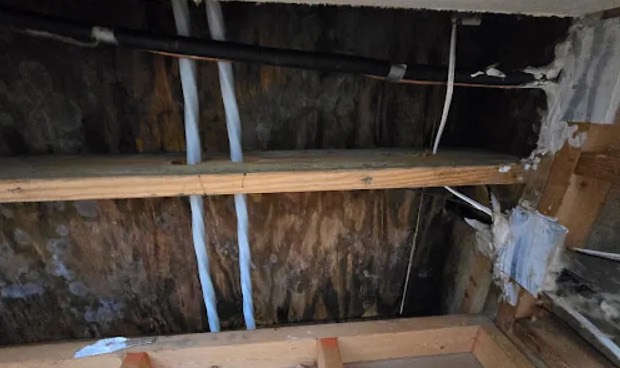
Photos of the entry point, the wet decking and the path of the water give the roofer and your insurer a clear record of the leak.
Structural Drying Services
Drying a roof leak means drying wood, not just air. The pros track moisture in the sheathing and framing and adjust the setup until the numbers drop.
Wall Cavity Drying
Bubbling paint or a damp baseboard below a ceiling stain means water is in the wall. Drying the cavity keeps the framing and drywall from rotting.
Signs of a Roof Leak in Your Kansas City Home
Dripping From a Light Fixture
Water dripping from a light or ceiling fan means it has pooled above the ceiling. Turn off that circuit and keep people clear.
Musty Smell After Rain
A damp, musty smell that gets stronger after storms often means insulation in the attic is staying wet.
Water Stains on the Ceiling
Brown or yellow rings on the ceiling, often growing after each rain, mean water is reaching the drywall from above.
Sagging or Bulging Drywall
A ceiling that bulges or feels soft is holding water. It can give way, so keep people and pets out of the room.
How Roof Leak Water Damage Cleanup Works in Kansas City
Step 1: Stop the Water
The opening in the roof is tarped and drips inside are caught, so no more rain reaches the attic while the cleanup starts.
Step 2: Attic Water Extraction
Standing water is pulled from the attic floor and from on top of the ceiling with wet vacuums and portable extractors.
Step 3: Remove Wet Insulation
Soaked insulation is bagged and taken out so the drywall and joists underneath are open to air.
Step 4: Structural Drying
Air movers and dehumidifiers dry the rafters, decking and ceiling, with readings taken each day until the wood is dry.
Causes of Ceiling Water Damage in Kansas City
Clogged Gutters
Leaves and debris in gutters make water back up at the roof edge, where it seeps under shingles and into the soffit and walls.
Attic Condensation
Warm, humid indoor air meeting a cold roof deck in winter forms frost and drips that can look like a leak and soak insulation.
Ice Dam Formation
In freezing weather, ice at the roof edge traps melting snow, and the water backs up under the shingles into the attic.
Open Roof Valleys
Valleys carry the most water on a roof. Worn or poorly sealed valleys let that concentrated flow into the decking.
Roof Leaks in Kansas City Homes and Commercial Buildings
Residential Roof Leak Water Damage Cleanup
In Kansas City, a roof leak in a home usually means a wet attic, a stained bedroom or hallway ceiling and soaked insulation. The pros dry each layer and photograph the damage for your claim.
Commercial Roof Leak Water Damage Cleanup
On commercial buildings with flat roofs, water can spread across a drop ceiling before it shows. The pros remove wet ceiling tiles, extract the water and dry the space around business hours.
What You Can Do Before Help Starts on a Roof Leak
Fans and a household dehumidifier help a damp room, but they rarely dry an attic or a soaked ceiling. Wet insulation needs to come out first.
What Roof Leak Water Removal Costs in Kansas City
The cost of roof leak water removal in Kansas City depends on how much of the attic and ceiling got wet, how much insulation must come out and how many days drying takes.
Belongings in the Way
Moving and drying furniture, stored boxes and electronics under the leak adds time to the job.
Insulation Removal
Bagging and hauling soaked insulation takes labor, and the attic needs new insulation once the framing is dry.
Size of the Wet Area
The square footage of wet attic, ceiling and wall sets how much equipment is needed and how long it runs.
Does Insurance Cover Roof Leak Water Damage Cleanup?
Call your insurer soon after you find the leak. Photos of the ceiling, attic and roof, plus the moisture readings, help the adjuster review the claim.
Why Professional Roof Leak Water Removal Pays Off
Contents Moved Out of Harm
Belongings under the leak are moved, covered or dried so they do not keep soaking while the attic is worked on.
Safe Attic Work
The pros know how to move through an attic on the framing and handle wet ceilings without bringing them down.
Notes for the Roofer
The entry point and the path the water took are documented so the roofer knows exactly where to look.
Emergency Attic Water Removal in Kansas City
Roof leaks get worse with every hour of rain. Call (816) 355-6039 any time for tarping, attic extraction and drying in Kansas City.
Call Now (816) 355-6039Roof Leak Water Damage Cleanup Near Kansas City: Areas Served
Local restoration pros cover Kansas City and surrounding communities including Westwood, Roeland Park and Mission Hills for roof leak tarping, extraction and drying.
FAQ: Roof Leaks, Attics and Ceilings
How soon should water removal start after a roof leak?
As soon as possible. Wet drywall and insulation can start to grow mold in 24 to 48 hours, and a ceiling holding water can sag and fall.
Does every roof leak lead to mold?
No. Mold needs materials to stay wet for a day or more. When water is removed and the attic is dried promptly, mold usually does not take hold.
Why should rainwater be removed from the attic quickly?
Water in the attic soaks through the ceiling into the rooms below and keeps the framing wet. Removing it early limits drywall and insulation losses.
Will water removal fix my roof?
No. Water removal dries the inside of the house. The pros can tarp the opening, but a roofer must replace shingles, flashing or decking.
How long does it take to dry an attic after a roof leak?
Drying usually takes three to five days, depending on how wet the wood is and how much insulation came out. Readings decide when it is done.