Kansas City, MO · Jackson County
Washing Machine Leak Cleanup in Kansas City, MOLaundry Room Water Damage Restoration & Appliance Leak Water Cleanup
Washing Machine Leak Cleanup addresses washing machine leak water extraction, laundry room flood drying, and appliance leak water cleanup in Kansas City.
Answered 24/7
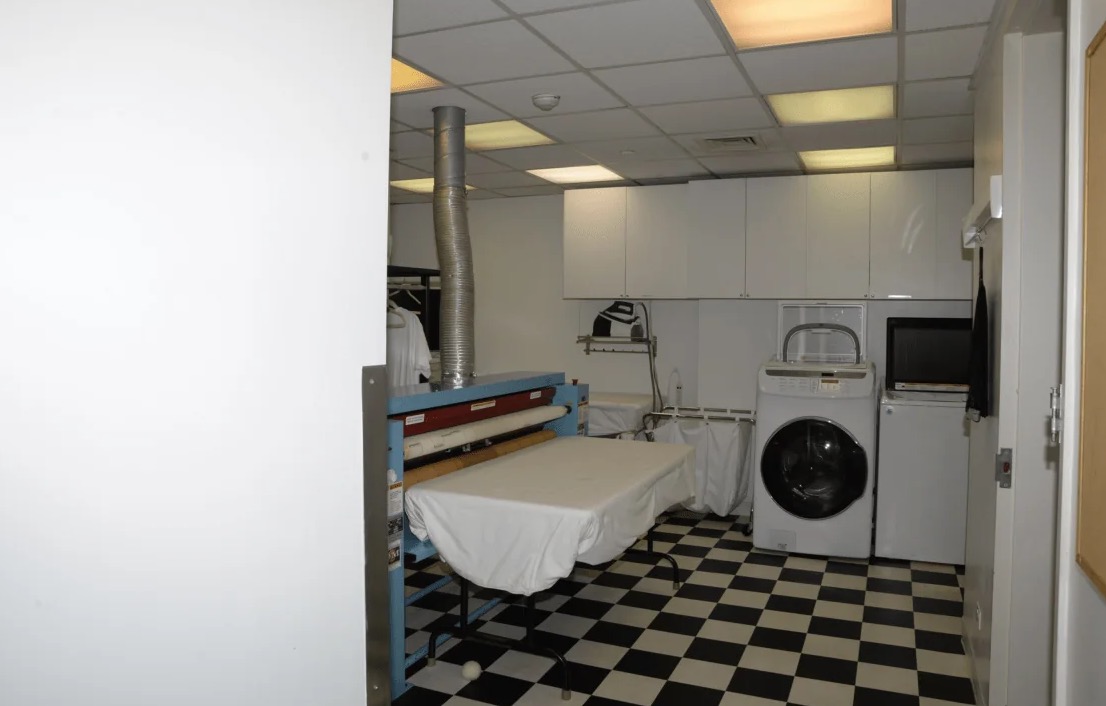
Expert Washing Machine Leak Cleanup for Kansas City Homes
Washing machine overflow cleanup is crucial for homes in Kansas City to avoid costly repairs from water damage. Water can seep under flooring and behind walls, leading to hidden moisture problems in Kansas City.
For homes in Kansas City, washing machine overflow cleanup needs expertise for water in flooring. Local restoration pros perform washing machine flood cleanup services, including drying and damage repair.
Detailed Washing Machine Leak Cleanup Offerings in Kansas City
Laundry Room Water Damage Restoration
Restoration goes beyond cleanup to rebuild and renew the affected area. The goal is a seamless final result, involving meticulous work to match paints, textures, and fixtures.
Appliance Leak Water Cleanup
Post-extraction cleanup addresses both the water and any soil or detergent residues from the leak. Experts ensure all affected surfaces are cleaned, deodorized, and ready for restoration.
Washing Machine Leak Mold Prevention
Preventing mold growth is a core goal after any washing machine leak. By executing rapid water extraction and complete drying, the pros create an environment where mold spores cannot thrive.
Washing Machine Hose Burst Cleanup
This specific leak scenario often involves hot water, which can increase moisture absorption risk. Cleanup experts adjust their drying strategy for the challenges of a burst supply line.
Laundry Room Flood Drying
The laundry room drying process creates optimal airflow and humidity conditions to evaporate residual moisture. Experts manage the equipment to efficiently dry the space and prevent long-term water damage effects.
Indicators You Require Emergency Washing Machine Leak Cleanup
Dampness in Adjacent Rooms
Moisture spreading to a closet, hallway, or basement below means the washing machine flood cleanup area is larger.
Soggy or Buckling Flooring
Laminate, tile, or vinyl flooring that feels soft or shows gaps signals water intrusion needing flood cleanup.
Washer Moves or Shakes Excessively
An unbalanced washer can stress hoses and connections, leading to potential leaks and laundry room water damage.
Visible Hose Cracks or Bulges
Inspecting supply hoses for wear, cracks, or swollen areas can prevent a major washing machine overflow cleanup event.
How Washing Machine Leak Cleanup Works in Kansas City
Step 1: Initial Inspection & Extraction
An inspection determines the scope of the washing machine overflow cleanup. Standing water on the laundry room floor is then removed with extractors.
Step 2: Targeted Water Damage Drying
Drying equipment is configured based on the specific materials affected, such as concrete or wood subfloors. This targeted approach ensures efficient water damage from washing machine incidents is resolved.
Step 3: Continuous Monitoring
The drying environment is monitored daily, with adjustments made to equipment placement and settings. This ensures the washing machine leak restoration process is progressing effectively.
Step 4: Completion & Documentation
Once drying goals are met, a final report is compiled. This documentation details the washing machine leak cleanup work performed, useful for your records and insurance.
Common Causes of Water Damage from Washing Machines in Kansas City
Failed Supply Line Hoses
Rubber or braided hoses degrade over time, leading to bursts or pinhole leaks that cause immediate laundry room flooding.
Internal Tub Seal Failure
The seal between the inner and outer tub can wear out, causing water to leak into the machine's cabinet.
Worn Door Boot or Gasket
A torn or moldy door seal on front-load washers allows water to escape during operation, creating a slow leak.
Loose Drain Pump Connection
The pump that expels water can develop loose clamps or cracks, leaking water directly onto the floor underneath.
Washing Machine Leak Cleanup for Homes and Businesses in Kansas City
Residential Washing Machine Leak Cleanup
Residential washing machine leak cleanup focuses on the laundry room and adjacent spaces. The pros extract water from carpets, pads, and subfloors. Their detailed approach helps preserve home value.
Commercial Washing Machine Leak Cleanup
An appliance leak water extraction event can damage inventory in commercial properties. The pros contain water, protect assets, and follow drying protocols. Their documentation supports business insurance claims.
The Risks of DIY Washing Machine Leak Cleanup in Kansas City
Take photos of the leak source, water spread, and damaged items for an insurance claim. Record the date and time. Avoid major repairs; the pros in Kansas City must first assess the damage for documentation.
What Affects Washing Machine Leak Cleanup Cost in Kansas City
Factors in Kansas City washing machine leak cleanup cost involve the size of the flooded area, whether mold prevention steps are necessary, and the complexity of repairs for any damaged cabinetry or flooring.
Emergency Service Timing
A washing machine overflow cleanup that requires immediate, after-hours response from the pros typically involves a different service rate than a scheduled appointment.
Contamination Level
Clean supply-line water is simpler than gray water from a drain, which may need more sanitization and affects cost.
Affected Materials
The type of materials damaged, such as porous drywall, wooden cabinets, or laminate flooring, influences the repair strategy and replacement needs, changing the final cleanup expense.
Does Insurance Cover Washing Machine Leak Cleanup?
Policy terms determine coverage for laundry room water damage. The pros in Kansas City document damage with moisture maps and photos for the insurer. The insurer makes the final reimbursement decision.
Advantages of Hiring Emergency Water Removal Pros in Kansas City
Clear Communication Process
You receive regular updates on the progress of your laundry room water damage restoration, explaining each step from water removal to final drying verification.
Content Handling Care
Items affected by the flood are handled carefully during appliance leak water cleanup, with options for drying and cleaning salvageable belongings on-site.
Structural Drying Expertise
They know how to dry building materials correctly, which is crucial for washing machine overflow damage repair and preserving the integrity of your home.
24/7 Emergency Washing Machine Leak Cleanup in Kansas City
When faced with a flooded laundry room from an appliance leak, action is needed. Call (816) 355-6039 for the pros who respond 24/7.
Call Now (816) 355-6039Regions Serviced for Washing Machine Leak Cleanup Near Kansas City
Appliance leak water cleanup needs can arise suddenly. Professionals offering washing machine hose burst cleanup and drying serve properties in Kansas City and the broader area, including Westwood, Roeland Park and Mission Hills.
Washing Machine Leak Cleanup FAQs
What is the goal of laundry room flood cleanup?
The primary goal is to quickly remove water and dry the structure to its pre-loss condition, preventing secondary damage like mold growth and protecting your home's value and safety.
What is appliance leak water extraction?
This is the first physical step, using powerful pumps and vacuums to remove all standing water from the laundry room floor and any other affected areas after a washing machine leak.
Who performs washing machine leak cleanup in Kansas City?
The service is performed by the pros trained in IICRC-standard methods for water extraction, structural drying, and contamination control specific to appliance-related floods.
Can items be saved from a flooded laundry room?
Many items can be saved. Contents like washable textiles may be cleaned, while other belongings are assessed for water damage. Pros will discuss salvage options with you.
How do I prevent future washing machine leaks?
Regularly inspect hoses for bulges or cracks, ensure connections are tight, avoid overloading, and replace old hoses. Consider a leak detection device that shuts off the water supply.