Parkville, MO · Platte County
Moisture Mapping in Parkville, MORoof Leak Moisture Tracing & Subfloor Moisture Inspection
Moisture Mapping in Parkville includes post-flood moisture assessment, roof leak moisture tracing and structural drying verification.
Answered 24/7
Accurate Moisture Mapping for Parkville Properties
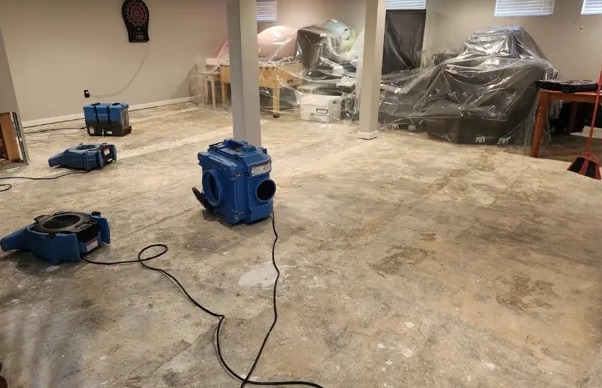
Accurate mapping directly informs and guides all subsequent drying equipment placement and repair work, making it a foundational service for any successful restoration project.
Moisture mapping in Parkville helps identify hidden water damage through thermal imaging and moisture meter readings. Available in Parkville and areas like Weatherby Lake, Kansas City and Gladstone, these services support effective water damage assessment and drying verification.
Detailed Moisture Mapping Offered in Parkville
Roof Leak Moisture Tracing
Local restoration pros trace the path of moisture from a roof leak through the attic and down into ceilings and walls.
Subfloor Moisture Inspection
Local restoration pros in Parkville methodically map subfloor moisture to determine drying strategy and timeline. Wet subfloors require targeted airflow and dehumidification to restore stability.
Wall Cavity Moisture Mapping
Without proper wall cavity mapping, water can remain undetected, leading to costly future damage. The pros systematically check each wall section to create a complete moisture profile.
Thermal Imaging Moisture Detection
Infrared cameras allow non-invasive scanning to locate hidden moisture. This technology identifies water behind walls or under floors in homes throughout Parkville, without causing damage.
Structural Drying Verification
A final round of mapping compares readings with the first ones, so you know the home in Parkville is dry before repairs.
Warning Signs You Need Moisture Mapping
Unexplained Increase in Water Bills
A sudden spike in your water bill can point to a leak hidden inside a wall or under a slab.
Warped or Buckling Flooring
Floorboards or tiles that lift or bend are a classic sign of subfloor moisture requiring immediate inspection.
Soft or Spongy Drywall
Drywall that feels soft to the touch has absorbed water and may conceal a larger leak source.
Visible Mold or Mildew Growth
Mold spots on walls or ceilings mean moisture has been there for days, often from a hidden leak.
How Moisture Mapping Works in Parkville
Step 1: Site Evaluation and Metering
The pros evaluate the property and use penetrating and non-penetrating moisture meters to get initial readings on material saturation.
Step 2: Wall Cavity Moisture Mapping
The focus shifts to wall cavity moisture mapping, identifying moisture trapped between studs and insulation that is not visible to the eye.
Step 3: Subfloor Moisture Inspection
A thorough subfloor moisture inspection follows, checking under flooring materials to determine the depth and spread of water intrusion.
Step 4: Leak Source Identification Report
The process concludes with a report that includes leak source identification, outlining the probable cause and full extent of the moisture damage.
Why Parkville Homes Need Moisture Mapping
Poor Ventilation and Condensation
Poor airflow in bathrooms, kitchens or attics lets condensation build up on walls and framing.
Faulty or Clogged Gutters
Gutters that overflow or are blocked can direct water against the siding and foundation, causing moisture intrusion.
Storm Damage and Flooding
Heavy rain, flash flooding or rising groundwater can soak walls and floors well beyond the areas that look wet.
Roof Leaks and Damaged Flashing
Compromised shingles, seals, or flashing allow water to seep into attics and walls.
Moisture Mapping for Homes & Businesses in Parkville
Residential Moisture Mapping
In homes, the pros check attics, crawlspaces and living areas for hidden water that could lead to costly repairs if left alone.
Commercial Moisture Mapping
In offices and stores, the pros follow a roof leak's moisture path to find where it enters, so the roofer can repair the right spot.
Why DIY Moisture Detection Fails in Parkville
Monitoring indoor humidity with a hygrometer is a safe DIY step to identify potential condensation problems. You can also clean gutters and ensure downspouts direct water away from your foundation.
Understanding Moisture Mapping Expenses in Parkville
In Parkville, pricing for moisture mapping is influenced by the number of rooms requiring assessment and the technology used, such as thermal imaging cameras.
Follow-Up Verification
Including structural drying verification as part of the service extends the project timeline and resource commitment.
Property Square Footage
Larger homes take longer to check room by room, which adds time and cost.
Number of Moisture Sources
Properties with multiple leak points, like several pipe leaks, require more extensive mapping and documentation efforts.
Does Insurance Cover Moisture Mapping?
For a roof leak moisture tracing claim, an insurance policy might pay for the inspection if the leak caused internal damage. A property owner should verify what is covered by discussing the assessment report with their insurance adjuster.
The Value of Local Moisture Mapping in Parkville
Condensation Issue Evaluation
A thorough condensation damage evaluation distinguishes condensation problems from active leaks, guiding the correct repair approach.
Targeted Subfloor Inspection
Specialized tools assess moisture beneath floors to identify problems early, protecting your home's foundation and integrity.
Comprehensive Moisture Reports
Detailed maps and moisture meter readings provide clear evidence of affected areas for your review and insurance documentation.
24/7 Emergency Moisture Mapping in Parkville
Need to know whether drying worked after a water incident? Call (816) 355-6039 24/7 for moisture mapping that records conditions for your insurer.
Call Now (816) 355-6039Local Moisture Mapping Areas: Parkville and Beyond
Each place listed below has its own page with local details.
Common Moisture Mapping Queries for Parkville
What is structural drying verification?
Structural drying verification is a final assessment using moisture meters to confirm that building materials have reached a safe, dry equilibrium after water removal and drying procedures are complete.
What exactly is moisture mapping?
Moisture mapping is a detailed inspection process that uses tools like thermal imaging and moisture meters to create a visual map showing the location and severity of water intrusion within building materials.
After mapping, what is the next step?
Following moisture mapping, the next step is often implementing a targeted drying plan based on the map, or if the leak is active, arranging repairs before drying begins.
What tools are used for moisture meter reading?
Professionals use non-penetrating sensors for surface scans and penetrating probes for deep material checks, providing quantitative moisture content readings in wood, drywall, and concrete.
What happens during a post-flood moisture assessment?
The pros take meter readings and thermal scans across the affected areas and record the results. These readings become the baseline for the drying plan.