Parkville, MO · Platte County
Basement Water Removal in Parkville, MOBasement Wall Drying & Sump Pump Failure Water Cleanup
Basement Water Removal in Parkville runs from basement water pump out and basement drying services to basement dehumidification.
Answered 24/7
Professional Basement Water Removal in Parkville, MO
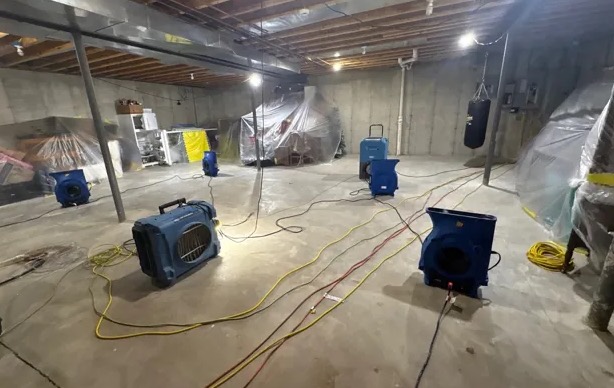
Dehumidification is the slow but necessary part of basement water removal in Parkville. Pumps remove standing water quickly, but walls and concrete keep releasing moisture for days.
A single storm or burst pipe in Parkville can flood a basement. Local basement drying experts serve Parkville and nearby Weatherby Lake, Kansas City and Gladstone, with help available around the clock.
Specialized Basement Water Removal for Parkville
Basement Wall Drying
Opening the bottom of finished walls lets air reach the studs and sill plate, which otherwise stay wet behind the drywall.
Sump Pump Failure Water Cleanup
A backup pump or battery system is worth discussing with a plumber after the cleanup, since sump failures often repeat in storms.
Basement Drying Services
Equipment stays until the basement reads dry, not just until it looks dry. Removing it early lets dampness return.
Basement Floor Water Damage
Concrete floors are squeegeed, extracted and dried with airflow and dehumidifiers until moisture readings drop.
Basement Water Pump Out
A pump-out removes standing water from the basement with submersible pumps, discharging it outside and away from the foundation.
Warning Signs You Need Basement Water Removal
Sump Pump Failure or Overflow
A sump pit that is full, overflowing or has a pump that will not start means water is about to spread.
High Humidity and Condensation
Water on pipes and windows, or a constantly clammy feel, means basement humidity is too high.
Standing Water in Basement
Standing water anywhere on the basement floor needs to be pumped out before it soaks the walls.
Rusted Appliances or Furniture
Rust on appliance bases, furniture legs or metal shelving points to standing water or long-term dampness.
How Basement Water Removal Works in Parkville
Step 1: Source Control and Water Pump Out
The leak is shut off and standing water is pumped out, starting at the lowest point.
Step 2: Water Extraction
Extractors pull water from carpet, pad and concrete, and wet vacs clear corners and stairs.
Step 3: Dehumidification and Drying
Large dehumidifiers and air movers dry walls, framing and slab over several days.
Step 4: Inspection and Clearance for Repair
Final readings confirm the basement is dry and ready for drywall and flooring repairs.
What Causes Water Damage in Basements
Sewer Line Backups and Blockages
A blocked sewer line can push wastewater up through basement floor drains and toilets.
Plumbing Leaks or Pipe Bursts
Supply lines, drain pipes and water heaters in the basement can leak or burst onto the floor.
Window Well Leaks and Drainage
Window wells without drains or covers fill with rain and leak through the windows.
High Water Table and Hydrostatic Pressure
A high water table presses groundwater against the slab and walls, forcing it inside.
Basement Water Removal for Homes and Businesses
Residential Basement Water Removal
Families should keep children and pets away from basement water until power is safe and the type of water is known.
Commercial Basement Water Removal
In restaurants and shops, basement water near food or stock storage needs removal and cleaning before those areas are used again.
Basement Water Removal vs. DIY: When to Call the Pros
A small puddle on bare concrete can be handled with a wet vac, towels and a dehumidifier. Call the experts if water reached carpet, drywall or framing, or covers much of the floor.
Investing in Professional Basement Water Removal
Waterproofing and drainage work are separate costs. In Parkville, they may be needed to stop the next flood.
Access and Complexity
Narrow stairs, low ceilings and crowded storage areas make the work slower and longer.
Drying Time Required
Basements dry slowly, and each extra day of equipment adds to the total.
Additional Services
Antimicrobial treatment, contents cleaning and repairs after drying add to the cost.
Does Insurance Cover Basement Water Removal?
Flooding from outside water usually needs separate flood insurance. Water from a broken pipe or appliance inside is more often covered.
Advantages of Local Basement Water Removal Experts
Contamination Safety Protocols
Sewage and dirty water are handled with protective gear, containment and disinfection.
Post-Service Moisture Verification
Final readings are recorded before equipment leaves, so you know the basement is dry.
Methodical Water Removal Process
Water is removed in a set order: pump-out, extraction, removal of soaked materials, then drying.
24/7 Basement Water Removal When You Need It
Standing water in a basement soaks walls and floors by the hour. Call (816) 355-6039 for basement water removal in Parkville at any time, day or night.
Call Now (816) 355-6039Communities Served for Basement Water Removal
Other places served are listed below, each with its own page.
- Basement Water Removal in Weatherby Lake
- Basement Water Removal in Kansas City
- Basement Water Removal in Gladstone
- Basement Water Removal in Piper
- Basement Water Removal in Roeland Park
- Basement Water Removal in Merriam
- Basement Water Removal in Prairie Village
- Basement Water Removal in Independence
Frequently Asked Basement Water Removal Questions
What is involved in basement water removal?
Making power safe, pumping out standing water, extracting floors and carpet, removing soaked materials and dehumidifying until dry.
What equipment is used for basement water extraction?
Submersible pumps, extractors, wet vacs, air movers, large dehumidifiers and moisture meters to confirm drying.
What should I do right after basement flooding?
Make power safe, avoid sewage, move belongings above the water, take photos and call for water removal.
Why is basement dehumidification important after pumping?
Walls and concrete keep releasing moisture for days. Dehumidifiers remove it so the basement does not stay damp.
What causes basement floor water damage?
Storm seepage, burst pipes, appliance leaks, foundation cracks and sewer backups through floor drains are the usual sources.