Lake Lotawana, MO · Jackson County
HVAC Leak Water Removal in Lake Lotawana, MOAC Condensate Leak Water Removal & HVAC Cabinet Water Extraction
HVAC Leak Water Removal in Lake Lotawana covers AC condensate leak water removal, HVAC cabinet water extraction, and emergency HVAC leak cleanup.
Answered 24/7
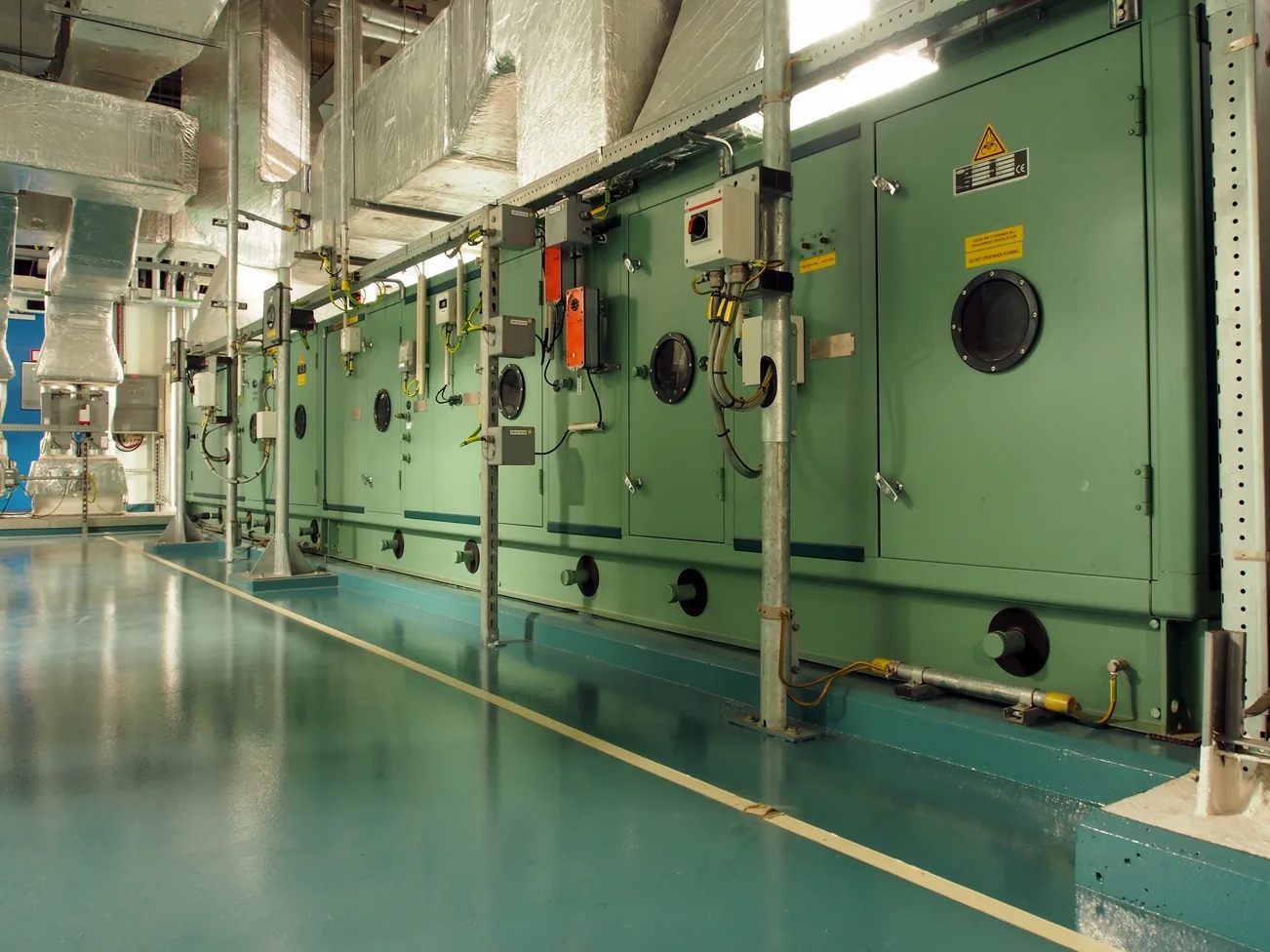
HVAC Leak Water Removal Services for Lake Lotawana Residents
In Lake Lotawana, water inside ductwork after an HVAC leak needs attention. Damp ducts can blow musty air into every room, and lined ducts may hold water for a long time.
When an HVAC leak occurs in Lake Lotawana, water needs to come out quickly to protect interior finishes and electrical systems. Local water removal pros serve this community and nearby areas like Lone Jack, Blue Springs and Grain Valley, extracting water around the unit and drying wet ductwork before damage spreads.
HVAC Leak Water Removal Services in Lake Lotawana
AC Condensate Leak Water Removal
An overflowing secondary pan from a blocked drain line creates a steady leak. Water extraction experts remove the water to protect the HVAC cabinet and subfloor.
HVAC Cabinet Water Extraction
Water inside an HVAC cabinet sits right next to wiring and the blower. Power is shut off first, then the water is pulled out with small wet vacuums made for tight spaces.
HVAC Drain Line Flood Cleanup
When a drain line fails over a concrete utility slab, extractors remove the water and the slab and wall bases are dried.
Coil Leak Water Damage Repair
A pinhole coil leak causes slow, persistent water damage, warping flooring over time. Repair involves water extraction, drying, and addressing damaged subfloor.
Ductwork Condensation Water Removal
Condensation on ductwork in a crawlspace creates a damp, mold-conducive environment. Cleanup requires removing moisture from ducts and the space.
When to Consider HVAC Leak Water Removal in Lake Lotawana
Condensation Dripping From Ducts
Water droplets or streaks on metal ductwork mean the ducts are sweating, and the water is landing somewhere below.
Visible Rust on Metal Components
Rust forming on the evaporator coil cabinet, drain pan, or supports indicates prolonged moisture exposure.
Musty Odors Near Air Vents
A musty smell when the system runs can point to wet insulation or mold inside the unit or ducts.
High Indoor Humidity Levels
A home feeling persistently muggy can mean the HVAC system is not properly removing airborne moisture.
How HVAC Leak Water Removal Works in Lake Lotawana
Step 1: Water Containment
The leak is contained first, then extractors pull water out of the HVAC cabinet and off the floor around it.
Step 2: HVAC Component Damage Evaluation
Wet parts like the drain pan, coil area and controls are noted so an HVAC contractor knows what to check or replace.
Step 3: Structural Drying Protocol
Drying equipment targets wet walls, subfloor and insulation near the unit so damage does not spread.
Step 4: Air Quality Sanitization
Once everything is dry, the cabinet area and nearby surfaces are cleaned to remove odor and residue.
What Causes HVAC Leaks Needing Water Removal in Lake Lotawana
Refrigerant Leak at the Coil
A pinhole leak in the evaporator coil itself can allow refrigerant and moisture to escape simultaneously.
Obstructed Air Filter or Ducts
Badly restricted airflow lets frost build on the cold coil, and the water floods the pan when it melts.
High Static Pressure in Ducts
An oversized system or closed vents can upset airflow and drainage, so condensate does not drain as it should.
Improper HVAC System Slope
An air handler or drain line installed without correct pitch prevents gravity-driven water flow to the drain.
Commercial and Residential HVAC Leak Water Removal in Lake Lotawana
Residential HVAC Leak Water Removal
In homes, an AC condensate leak can rot subfloor and baseboards if it is left. The pros dry the tight spaces around the unit and record the damage for insurance.
Commercial HVAC Leak Water Removal
A flooded HVAC unit in a commercial building needs a coordinated response. The pros manage large-volume extraction, coordinate with facility managers, and implement drying protocols.
HVAC Leak Water Removal vs. DIY: When to Call Local Pros
After ensuring power is off, you can use a wet-dry vacuum on visible standing water near a leaking AC unit. Be cautious of electrical hazards. You can also set up fans to aid surface drying. Do not remove wet insulation or open sealed ductwork.
HVAC Leak Water Removal Cost in Lake Lotawana, MO
For AC water damage, the number of drying days and the number of air movers and dehumidifiers drive most of the cost. HVAC repairs are billed separately.
Affected Components and Materials
Wet insulation, damaged ductwork or wiring near the flooded unit each add work to the job.
Emergency Service Timing
HVAC leak cleanup started at night, on weekends or on holidays may be billed at a different rate.
HVAC System Accessibility
Units in tight closets or attics take more labor to reach, clean around and dry.
Does Insurance Cover HVAC Leak Water Removal?
Insurance for emergency water removal from a leaking AC unit is not certain. Coverage may apply if the leak is sudden and accidental. Gradual leakage from lack of maintenance is often excluded.
Reasons to Hire Local Pros for HVAC Leak Water Removal in Lake Lotawana
Detailed Damage Documentation
Photos and meter readings of the water damage give your adjuster clear records for the claim.
HVAC-Specific Moisture Detection
Moisture meters and thermal cameras find water in ducts, insulation and cabinets that you cannot see.
24/7 Emergency Response
Getting to a leaking AC early limits how far water spreads and how much it rusts parts in the unit.
24/7 Emergency HVAC Leak Water Removal in Lake Lotawana
Don't let a flooded HVAC unit compromise your home's air quality or safety. For urgent HVAC system water cleanup, reach the experts at (816) 355-6039.
Call Now (816) 355-6039Areas Served for HVAC Leak Water Removal from Lake Lotawana
Each place listed below has its own page with local details.
Your HVAC Leak Water Removal Questions Answered
Does HVAC leak water removal prevent mold?
Fast extraction and drying lower the risk a lot. Materials that stay wet longer than a day or two can start to grow mold.
Can wet insulation near HVAC be saved?
Often, yes. Wet insulation loses its value and is hard to dry in tight spaces, so it is usually removed and replaced once the area is dry.
What is moisture remediation for HVAC systems?
It means removing excess moisture, drying all components and bringing humidity back to normal levels around the system.
What are signs of a leaking AC unit indoors?
Water around the indoor unit, stains on nearby walls or ceilings, a musty smell, or the system shutting off because its float switch tripped.
Why does my AC coil leak water?
A frozen coil that thaws, a clogged drain pan, or a cracked condensate drain line are common causes of water leaking from the AC unit.