Greenwood, MO · Jackson County
HVAC Leak Water Removal in Greenwood, MOMoisture Remediation For HVAC Systems & Coil Leak Water Damage Repair
HVAC Leak Water Removal in Greenwood covers AC condensate leak water removal, HVAC cabinet water extraction, and emergency HVAC leak cleanup.
Answered 24/7
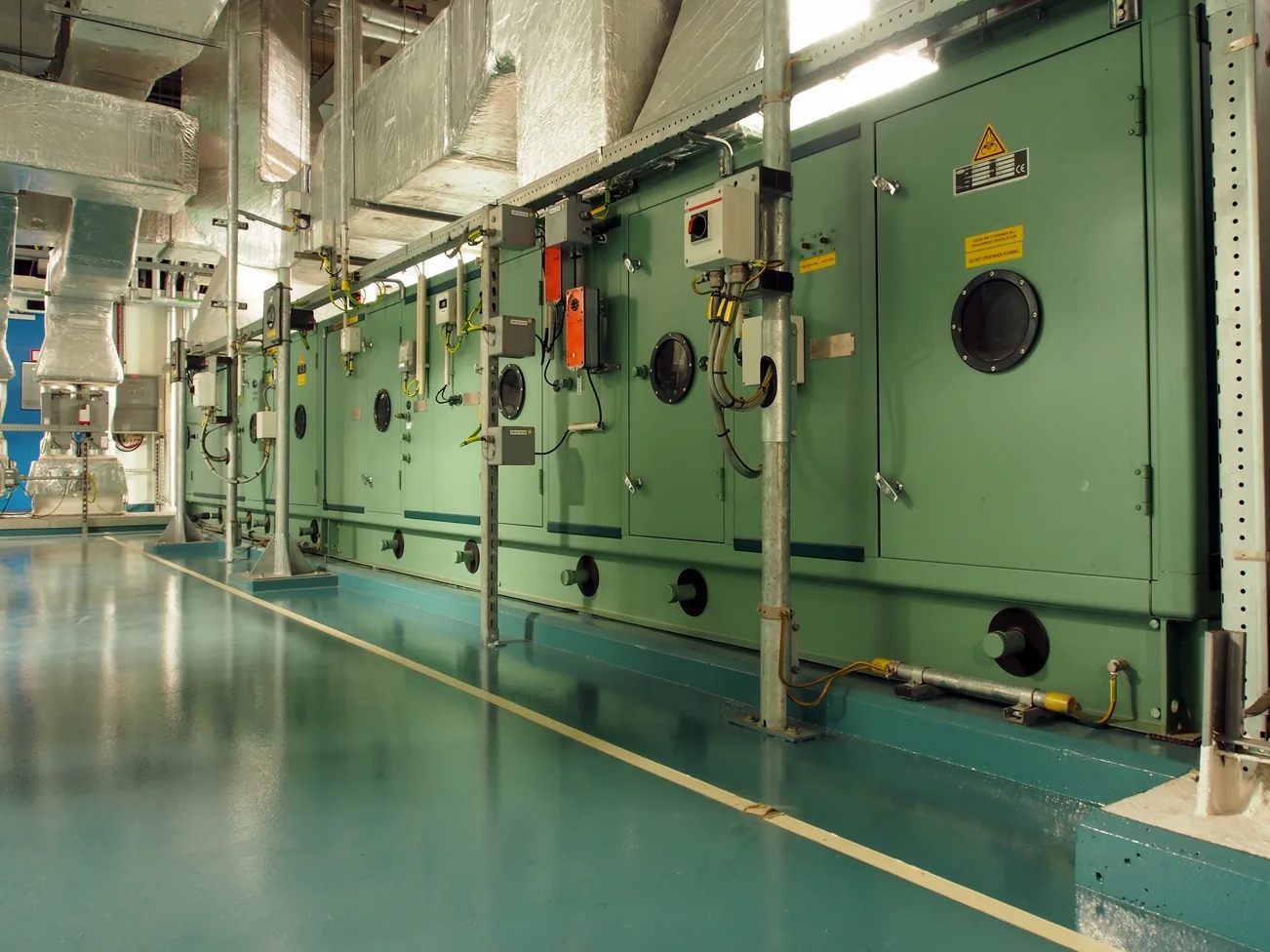
HVAC Leak Water Removal Services for Greenwood Residents
A leaking coil in Greenwood creates two jobs. An HVAC contractor repairs the coil, and the water that already escaped has to be removed and dried.
When an HVAC leak occurs in Greenwood, water needs to come out quickly to protect interior finishes and electrical systems. Local water removal pros serve this community and nearby areas like Lee's Summit, Pleasant Hill and Raymore, extracting water around the unit and drying wet ductwork before damage spreads.
HVAC Leak Water Removal Service Details in Greenwood
Moisture Remediation for HVAC Systems
Removing standing water is only the first part. Moisture meters show water still held in drywall, insulation and wood, and readings continue until they are dry.
Coil Leak Water Damage Repair
Coil leak water damaging drywall or cabinetry needs repairs after drying. Restoration pros coordinate drying to prepare for reconstruction.
HVAC Cabinet Water Extraction
Standing water in the cabinet rusts the pan, panels and fasteners. Getting it out early stops that, and the cabinet is dried before the system runs again.
HVAC Drain Line Flood Cleanup
A backed-up HVAC drain line can flood a closet or utility area in Greenwood. The water is extracted and drying starts on the floor and lower walls.
Ductwork Condensation Water Removal
Condensation on ductwork in a crawlspace creates a damp, mold-conducive environment. Cleanup requires removing moisture from ducts and the space.
Indicators for HVAC Leak Water Removal in Greenwood Homes
AC Drain Line Overflowing
Water spilling from the condensate drain line or its overflow port means the drain is blocked and needs attention now.
Unusual Sounds From the AC Unit
Gurgling, dripping, or hissing noises from the indoor unit frequently accompany a condensate drainage failure.
Wet or Sagging Insulation Nearby
Damp insulation around an attic unit or in nearby walls holds water against the drywall and framing.
Visible Rust on Metal Components
Rust forming on the evaporator coil cabinet, drain pan, or supports indicates prolonged moisture exposure.
How HVAC Leak Water Removal Works in Greenwood
Step 1: 24/7 Emergency Leak Response
The pros make the area safe, find where the leak started and start removing water.
Step 2: Condensation Leak Repair Focus
The cause, such as a clogged drain line or failed pump, is identified so it can be fixed and the leak does not return.
Step 3: Comprehensive Moisture Remediation
All wet materials are dried, including the hard-to-reach spaces inside walls and ceiling cavities.
Step 4: System Restoration and Testing
Readings confirm the area is dry, and the system can be restarted once the HVAC repair is done.
Frequent Sources of HVAC Leak Water Damage in Greenwood
Excessive Ductwork Condensation
Poorly insulated ducts in humid spaces sweat and drip water into walls, ceilings and insulation.
Worn Gaskets or Seal Failures
Worn seals around access panels or coil sections let water escape the cabinet instead of reaching the pan.
High Static Pressure in Ducts
An oversized system or closed vents can upset airflow and drainage, so condensate does not drain as it should.
Obstructed Air Filter or Ducts
Badly restricted airflow lets frost build on the cold coil, and the water floods the pan when it melts.
Residential and Commercial HVAC Leak Water Removal in Greenwood
Residential HVAC Leak Water Removal
In homes with basements or a second-floor unit, an overflow can soak finished rooms below. The water is extracted and the ceiling, walls and floor are dried.
Commercial HVAC Leak Water Removal
In commercial buildings, the pros tackle HVAC drain line flood cleanup affecting server rooms, drop ceilings, and stock areas. They use industrial extractors and dehumidifiers for extraction and structural drying.
HVAC Leak Water Removal: DIY Risks and Pro Solutions in Greenwood
If you find an HVAC leak, turn off the system at the thermostat and the breaker. Put towels down and move belongings away from the drip. Wiping up a little condensation is fine, but standing water or wet drywall needs drying equipment.
HVAC Leak Water Removal Pricing Considerations in Greenwood
The cost of HVAC leak cleanup depends on how easy the unit and ducts are to reach. The amount of wet insulation that has to come out is one of the biggest factors.
Extent of Water Spread
Water from a leaking AC can travel along ducts and inside walls, which makes the drying area larger.
Post-Extraction Repairs
Some jobs need small drain line or insulation repairs after drying, which are priced separately.
Drying Time and Equipment
The number of days ducts and materials take to dry decides how long the dehumidifiers run.
Does Insurance Cover HVAC Leak Water Removal?
For a flooded HVAC drain line, coverage often depends on whether the leak was sudden or came from skipped maintenance. Records of the damage and the cleanup go to your insurer, who decides.
Advantages of Local Pros for HVAC Leak Water Removal in Greenwood
24/7 Emergency Response
Getting to a leaking AC early limits how far water spreads and how much it rusts parts in the unit.
Component-Safe Water Removal
Work around the unit is done carefully so coils, wiring and control boards are not damaged further.
Precision Wet Insulation Removal
Wet insulation near the unit is removed so it does not hold water against framing and grow mold.
24/7 Emergency HVAC Leak Water Removal in Greenwood
Water flowing from your HVAC system requires fast action to prevent costly secondary damage. For emergency HVAC water extraction in Greenwood, call (816) 355-6039 anytime.
Call Now (816) 355-6039Areas Served for HVAC Leak Water Removal from Greenwood
In Greenwood, help with HVAC leak water removal covers coil leaks and drain pan overflows, and also reaches nearby Lee's Summit, Pleasant Hill and Raymore.
- HVAC Leak Water Removal in Lee's Summit
- HVAC Leak Water Removal in Pleasant Hill
- HVAC Leak Water Removal in Raymore
- HVAC Leak Water Removal in Lake Lotawana
- HVAC Leak Water Removal in Lone Jack
- HVAC Leak Water Removal in Blue Springs
- HVAC Leak Water Removal in Grain Valley
- HVAC Leak Water Removal in Oak Grove
- Emergency Damage Restoration in 64034
- Storm Damage Restoration in 64034
- Water Damage Restoration in 64034
- Water Extraction Service in 64034
- Water Leak Detection in 64034
- Water Removal Service in 64034
Frequently Asked Questions About HVAC Leak Water Removal
How long does wet ductwork drying typically take?
It depends on how much water there is and how easy it is to reach. Most jobs take two to four days of drying with commercial equipment.
Does HVAC leak water removal prevent mold?
Fast extraction and drying lower the risk a lot. Materials that stay wet longer than a day or two can start to grow mold.
What is moisture remediation for HVAC systems?
It means removing excess moisture, drying all components and bringing humidity back to normal levels around the system.
Why is quick action critical for a flooded HVAC unit?
Water can damage the unit's wiring, rust metal parts and soak into walls and floors, which makes repairs larger and more expensive.
What causes an HVAC drain line to flood?
Algae, sludge or debris clog the condensate drain and the pan overflows. A disconnected or cracked drain line can also send water onto the floor.