Leawood, KS · Johnson County
High-Velocity Air Mover Drying in Leawood, KSBasement Water Drying & Carpet Drying With Air Movers
High-Velocity Air Mover Drying in Leawood includes wall cavity drying, hardwood floor drying and basement water drying.
Answered 24/7
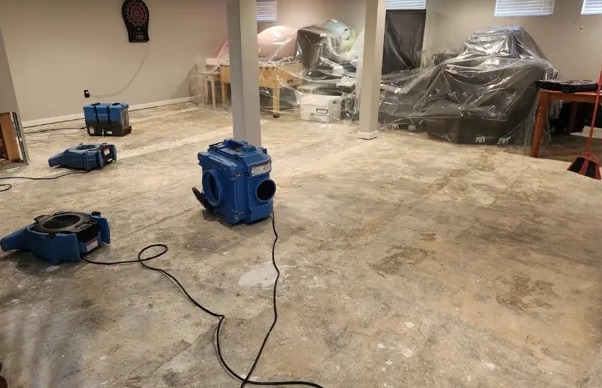
Expert High-Velocity Air Mover Drying Available in Leawood
In Leawood, the goal of high-velocity air mover drying is to get a home or business dry and safe after a plumbing failure or storm leak, so people can use the space again sooner.
In Leawood and nearby locales like Prairie Village, Mission Hills and Overland Park, high-velocity air mover drying is a targeted way to reach specific drying goals. After extraction, air movers are set to create cross-flow over wet floors and walls. Dehumidifiers then pull the evaporated water out of the air.
Tailored High-Velocity Air Mover Drying for Leawood Properties
Basement Water Drying
Basements stay damp after flooding. Air movers dry the concrete floor and foundation walls in Leawood homes.
Carpet Drying With Air Movers
Carpet holds water against the floor like a sponge. Air movers aim airflow at the layer between the carpet and pad so both dry.
Hardwood Floor Drying
Water on hardwood requires immediate, professional drying. Specialists deploy air movers to blow air laterally across the planks, accelerating moisture evaporation from the wood grain and seams.
Equipment Assisted Drying
Effective drying is more than just fans. Specialists use air movers in a calculated system with other tools to create an efficient drying environment.
Commercial Building Air Mover Drying
For commercial spaces in Leawood, air movers and dehumidifiers work together to pull moisture out of floors and lower walls after a leak.
Symptoms Needing High-Velocity Air Mover Drying Intervention
Carpet Feels Soggy or Damp
Carpet that stays wet or soggy for more than a day is holding water in the pad that needs forced airflow to dry.
Condensation on Windows or Pipes
Heavy condensation on windows can mean indoor moisture is high after a leak.
Efflorescence on Concrete Surfaces
White, powdery deposits on basement walls or floors are minerals left by evaporating water, a sign of ongoing moisture.
Swollen Wooden Doors or Cabinets
Doors or cabinets that stick or swell are often reacting to moisture in the room.
How High-Velocity Air Mover Drying Works in Leawood
Step 1: Site Evaluation for Drying
An inspection finds which structural parts and contents are still wet after extraction.
Step 2: Installation of Drying Equipment
Appropriate air movers and dehumidifiers are installed to create a controlled drying environment.
Step 3: Execution of Targeted Drying Plan
Airflow is aimed at specific spots, such as wall cavities and under carpet, to remove trapped water.
Step 4: Documentation for Process Completion
You get moisture logs and photos as a record of the drying.
Reasons for High-Velocity Air Mover Drying Calls in Leawood
Appliance Malfunctions and Overflows
Water heaters, washing machines and dishwashers that leak or overflow are common sources of wet floors and walls.
Improper Grading and Poor Drainage
Ground that slopes toward the foundation sends rain at the walls and keeps them damp.
Natural Flooding From Heavy Rain
Heavy rain or flash flooding can overwhelm drainage and push water into buildings.
Fire Suppression System Activation
Sprinkler system discharge, while saving a property from fire, leaves behind significant water.
High-Velocity Air Mover Drying for Homes and Businesses in Leawood
Residential High-Velocity Air Mover Drying
Flood drying in homes deals with water from burst pipes, appliance failures or storms. Drying specialists focus on wall cavities and basements to protect the structure.
Commercial High-Velocity Air Mover Drying
In commercial buildings, larger water losses need more equipment. Drying with air movers after extraction protects stock, equipment and the building.
When to Choose Local Pros for High-Velocity Air Mover Drying
You can improve air circulation by opening windows and using household fans, which may help with minor dampness. Moving air across wet surfaces can begin the evaporation process for small-scale incidents. Be cautious of electrical hazards in the affected area.
Considering High-Velocity Air Mover Drying Expense in Leawood
The cost depends on how many air movers and dehumidifiers are needed and how many days they run. Water deep in wall cavities or under flooring adds to the total.
Post-Drying Verification
Final moisture checks to confirm everything is dry are part of the cost.
Pre-Drying Water Extraction
Standing water has to be extracted before air movers can work, which adds a first step.
Material Permeability
Dense materials like concrete or hardwood dry slowly and need more equipment time.
Does Insurance Cover High-Velocity Air Mover Drying?
Whether high velocity drying is a covered expense is determined by your insurance policy's language regarding water damage mitigation. You should initiate a claim and get guidance from your insurer, as coverage decisions are theirs alone to make based on your contract.
Advantages of High-Velocity Air Mover Drying by Local Pros in Leawood
24/7 Emergency Response
Starting drying early after a flood limits damage to framing, drywall and floors.
Advanced Moisture Detection
Moisture meters find water in wall cavities and subfloors that DIY drying often misses.
Comprehensive Damage Documentation
Logs and photos of moisture levels support your insurance claim for the drying.
Round-the-Clock High-Velocity Air Mover Drying for Leawood
Time is critical for preventing structural warping and mold. For 24/7 emergency air mover drying service in Leawood, dial (816) 355-6039.
Call Now (816) 355-6039High-Velocity Air Mover Drying for Leawood and Surrounding Communities
Help with high-velocity air mover drying is available in Leawood and nearby Prairie Village, Mission Hills and Overland Park after leaks and floods.
- High-Velocity Air Mover Drying in Prairie Village
- High-Velocity Air Mover Drying in Mission Hills
- High-Velocity Air Mover Drying in Overland Park
- High-Velocity Air Mover Drying in Fairway
- High-Velocity Air Mover Drying in Mission
- High-Velocity Air Mover Drying in Merriam
- High-Velocity Air Mover Drying in Roeland Park
- High-Velocity Air Mover Drying in Westwood
- Emergency Damage Restoration in 66206
- Storm Damage Restoration in 66206
- Water Damage Restoration in 66206
- Water Extraction Service in 66206
- Water Leak Detection in 66206
- Water Removal Service in 66206
- Emergency Damage Restoration in 66209
- Storm Damage Restoration in 66209
Common High-Velocity Air Mover Drying Questions Answered
Are air movers safe for electronics or furniture?
The airflow is safe, but contents are moved out of its path so air can reach the walls and floors.
What is involved in wall cavity drying?
Pros use air movers directed at wall surfaces and often create strategic ventilation to dry moisture trapped inside walls.
Do air movers remove moisture from the air?
No. Air movers lift water off surfaces into the air, and dehumidifiers remove it from the air. Both are needed.
How are air movers used in different rooms?
Units are placed to move air across all wet surfaces, often several of them working together through doorways.
How does air mover drying differ from fans?
Commercial air movers push a focused stream of air much stronger than a box fan, made for drying building materials.