Leawood, KS · Johnson County
Hardwood Floor Water Extraction in Leawood, KSHardwood Floor Water Damage Repair & Hardwood Floor Cupping Correction
Hardwood Floor Water Extraction in Leawood covers hardwood floor cupping correction, hardwood floor water damage repair and subfloor water extraction.
Answered 24/7
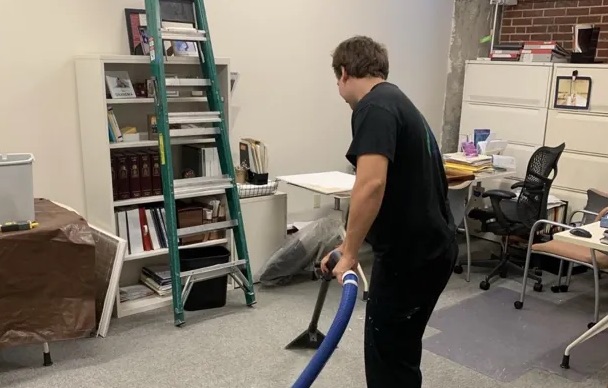
Professional Hardwood Floor Water Extraction in Leawood, KS
Hardwood floor water damage repair often becomes necessary after the drying phase, addressing visible effects like cupping, gaps or finish damage. In Leawood, repairing these issues restores the floor's functionality and appearance, potentially avoiding a full replacement.
Properties in Leawood and nearby places like Prairie Village, Mission Hills and Overland Park often feature hardwood flooring that demands careful water damage response. Extraction must address surface water and subfloor moisture to prevent warping. Local pros use moisture inspection to guide drying and repair.
Specialized Water Extraction for Hardwood Floors in Leawood
Hardwood Floor Water Damage Repair
Each damaged area is checked to decide whether refinishing is enough or whether some boards should be replaced.
Hardwood Floor Cupping Correction
Cupping, where board edges rise above the centers, means the bottom of the wood is wetter than the top. Slow drying from below lets the edges settle.
Hardwood Floor Water Extraction
Truck-mounted or portable extractors remove the water on top, and floor mats pull water from the seams and the layer under the planks.
Subfloor Water Extraction
Drying the subfloor in Leawood keeps it from rotting and keeps the hardwood above from cupping again later.
Hardwood Floor Drying Services
Once the water is out, local hardwood floor water damage pros place dehumidifiers and air movers to dry the boards and the subfloor under them.
Warning Signs You Need Hardwood Floor Water Extraction
Finish Bubbling or Peeling
Finish that bubbles, cracks or peels means water got under it and into the wood.
Mold on Edges
Mold or mildew along baseboards or between planks means the floor has been wet for days.
High Indoor Humidity Levels
A damp feel in the room or high humidity readings can mean water is still trapped in or under the floor.
Gaps Between Floorboards
New gaps between boards can appear when wet wood shrinks back as it dries unevenly.
How Hardwood Floor Water Extraction Works in Leawood
Step 1: Containment and Extraction
The wet area is closed off so moisture does not spread, then water is extracted from the surface and between the boards.
Step 2: Deep Structural Drying
Drying equipment targets the subfloor as well as the boards, so every layer reaches a normal moisture level.
Step 3: Correcting Wood Floor Warping
Boards that warp are watched as they dry, and the ones that do not settle are listed for sanding or replacement.
Step 4: Restoration Planning
After drying, the floor is evaluated for refinishing or board replacement needs.
Typical Reasons for Hardwood Floor Flooding in Leawood
Roof Leaks and Storm Damage
Roof leaks and wind-driven rain can run down walls and reach hardwood at the edges of a room.
HVAC System Condensation Issues
An AC unit or ductwork that drips condensation can wet one area of the floor over and over.
Failed Waterproofing Membranes
Failed waterproofing under a nearby tub, shower or sink can let water reach the hardwood subfloor.
Overflows From Sinks or Tubs
An overflowing sink, tub or toilet upstairs sends water through the ceiling onto the hardwood below.
Hardwood Floor Water Damage Services for Leawood Properties
Residential Hardwood Floor Water Extraction
Local water damage pros use specialized equipment to extract water and begin the drying process, aiming to save your original flooring and prevent secondary issues like mold under the boards.
Commercial Hardwood Floor Water Extraction
For businesses, a water-damaged wood floor presents safety hazards and disrupts operations. The specialists perform rapid, discreet moisture removal to minimize downtime.
Professional Water Extraction vs. Home Methods for Hardwood Floors
Monitoring the room's humidity with a hygrometer is a safe task for a homeowner. Keep the relative humidity below 60% to aid drying. Do not attempt to remove baseboards or flooring yourself, as this can cause irreversible damage.
Understanding Costs for Hardwood Floor Restoration in Leawood
Costs for Hardwood Floor Water Extraction in Leawood depend on damage severity, floor area, and drying time. Subfloor access and wood species affect labor.
Extent of Water Damage
How much hardwood got wet and how deep the water went set the size of the extraction and drying work.
Equipment Deployment Scale
The number of air movers, dehumidifiers and drying mats needed affects the total cost.
Wood Type and Finish
Dense woods and thick finishes hold water differently and can take longer to dry.
Does Insurance Cover Hardwood Floor Water Extraction?
Insurance coverage for hardwood floor drying services depends on the policy. For a covered water event, pros document each step with photos and moisture data. Homeowners submit this to their insurance company.
Why Leawood Homeowners Trust Local Hardwood Floor Specialists
Salvage-Focused Approach
The aim is to save the original hardwood whenever it can be dried and refinished.
IICRC-Standard Drying Methods
Moisture is removed in a controlled way, which limits warping and cupping under the floor.
Sequential Restoration Process
Work follows a set order: extract, dry, check, then repair, so nothing is covered up while still wet.
24/7 Emergency Response for Wet Hardwood Floors in Leawood
Every minute counts when water contacts hardwood floors. Reach the pros at (816) 355-6039 to schedule urgent hardwood floor water extraction and mitigation.
Call Now (816) 355-6039Hardwood Floor Water Extraction for Leawood and Nearby Communities
In Leawood and communities such as Prairie Village, Mission Hills and Overland Park, wood floor water extraction is a first response. The process removes water and dries the wood.
- Hardwood Floor Water Extraction in Prairie Village
- Hardwood Floor Water Extraction in Mission Hills
- Hardwood Floor Water Extraction in Overland Park
- Hardwood Floor Water Extraction in Fairway
- Hardwood Floor Water Extraction in Mission
- Hardwood Floor Water Extraction in Merriam
- Hardwood Floor Water Extraction in Roeland Park
- Hardwood Floor Water Extraction in Westwood
- Emergency Damage Restoration in 66206
- Storm Damage Restoration in 66206
- Water Damage Restoration in 66206
- Water Extraction Service in 66206
- Water Leak Detection in 66206
- Water Removal Service in 66206
- Emergency Damage Restoration in 66209
- Storm Damage Restoration in 66209
Frequently Asked Questions About Hardwood Floor Water Damage
What is involved in hardwood floor moisture inspection?
Inspection uses pin-type and non-invasive moisture meters to read levels within planks and the subfloor.
How is water extraction from wood floors different from carpets?
Wood requires gentler extraction to avoid pushing water into seams, and drying is slower due to wood's density.
Why is subfloor water extraction important?
Water often drains through hardwood seams into the subfloor, where it can cause structural softening and mold.
What is the process for hardwood floor water extraction?
The process begins with extracting any standing water, then deploying air movers and dehumidifiers to dry the wood and subfloor systematically.
How are warping repairs handled on water damaged hardwood?
Severely warped boards that do not flatten after drying may need to be carefully removed and replaced.