Leawood, KS · Johnson County
HVAC Leak Water Removal in Leawood, KSHVAC Drain Line Flood Cleanup & Wet Insulation Removal Near HVAC
HVAC Leak Water Removal in Leawood includes AC condensate leak water removal, HVAC drain line flood cleanup and moisture remediation for HVAC systems.
Answered 24/7
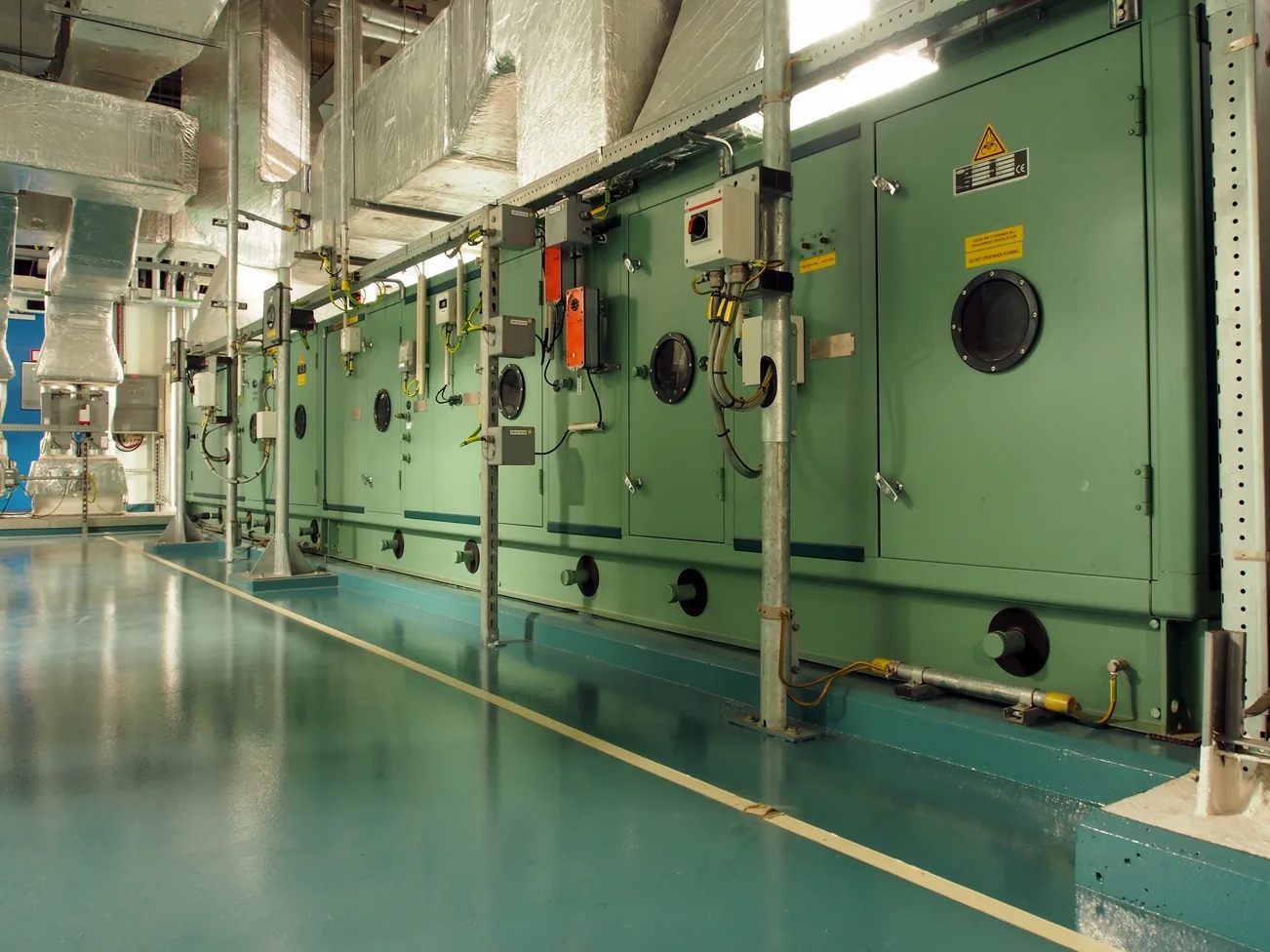
HVAC Leak Water Removal Solutions in Leawood
An HVAC leak in Leawood rarely stays at the unit. Water runs out of the pan, across the closet floor and under walls, and attic units drip straight through the ceiling below.
When an HVAC leak occurs in Leawood, water needs to come out quickly to protect interior finishes and electrical systems. Local water removal pros serve this community and nearby areas like Prairie Village, Mission Hills and Overland Park, extracting water around the unit and drying wet ductwork before damage spreads.
HVAC Leak Water Removal Services in Leawood
HVAC Drain Line Flood Cleanup
A completely blocked primary condensate drain line can overflow the secondary pan. Cleanup requires extracting the spilled water and clearing the line.
Wet Insulation Removal Near HVAC
Soggy insulation in a mechanical closet or crawlspace is a health concern. Local water damage pros remove it as part of restoration.
Ductwork Condensation Water Removal
Condensation on ductwork in a crawlspace creates a damp, mold-conducive environment. Cleanup requires removing moisture from ducts and the space.
AC Condensate Leak Water Removal
An overflowing secondary pan from a blocked drain line creates a steady leak. The experts remove the water to protect the HVAC cabinet and subfloor.
HVAC Cabinet Water Extraction
Standing water in the cabinet rusts the pan, panels and fasteners. Getting it out early stops that, and the cabinet is dried before the system runs again.
Signs You Require HVAC Leak Water Removal in Leawood
Visible Rust on Metal Components
Rust forming on the evaporator coil cabinet, drain pan, or supports indicates prolonged moisture exposure.
Reduced Cooling or System Shutdown
An AC that shuts itself off may have a float switch that tripped because the drain pan is full of water.
Stained Ceilings or Walls Near Vents
Stains on drywall or ceilings around supply vents often trace back to ducts that are sweating or leaking.
Water Puddles Under HVAC Unit
Standing water or persistent dampness around the air handler or furnace cabinet often signals an active HVAC leak.
How HVAC Leak Water Removal Works in Leawood
Step 1: Source Identification and Stop
The first step is finding out whether the water came from a drain clog, a coil leak or sweating ducts, then stopping the flow.
Step 2: AC Unit Water Damage Mitigation
Water is extracted from the drain pan, the cabinet and any flooded parts of the unit.
Step 3: Coil Leak Water Damage Repair
If the coil itself is leaking, an HVAC contractor handles the repair, and the pros dry the water it released.
Step 4: Documentation and Monitoring
Photos and moisture logs are kept throughout the job for your records and your insurance claim.
Common Causes of HVAC Water Damage in Leawood
Improper HVAC System Slope
An air handler or drain line installed without correct pitch prevents gravity-driven water flow to the drain.
Frozen Evaporator Coil Thawing
A coil freezing due to low refrigerant or airflow can release large volumes of water upon thawing.
Clogged Condensate Drain Line
Algae, sludge, or debris blocking the primary drain pipe causes water to back up into the HVAC cabinet.
Worn Gaskets or Seal Failures
Worn seals around access panels or coil sections let water escape the cabinet instead of reaching the pan.
HVAC Leak Water Removal for All Properties in Leawood
Residential HVAC Leak Water Removal
In homes with basements or a second-floor unit, an overflow can soak finished rooms below. The water is extracted and the ceiling, walls and floor are dried.
Commercial HVAC Leak Water Removal
In commercial buildings, the pros tackle HVAC drain line flood cleanup affecting server rooms, drop ceilings, and stock areas. They use industrial extractors and dehumidifiers for extraction and structural drying.
HVAC Leak Water Removal: DIY Risks and Pro Solutions in Leawood
You can document water damage for an insurance claim by taking clear photos of the affected area and leaking component. Keep records of communication. Do not discard damaged items until reviewed. Coverage decisions belong to the insurer.
Factors in HVAC Leak Water Removal Cost for Leawood
The pros in Leawood price the job based on how long the leak ran and how much it damaged. Wet ducts inside walls or ceilings take extra work to reach.
Emergency Service Timing
HVAC leak cleanup started at night, on weekends or on holidays may be billed at a different rate.
Post-Extraction Repairs
Some jobs need small drain line or insulation repairs after drying, which are priced separately.
Leak Source and Severity
Whether the leak came from a drain line, the coil or the pan changes how much water there is and where it went.
Does Insurance Cover HVAC Leak Water Removal?
Policies often cover damage from a sudden leak but not wear and tear or a drain that was never cleaned. Photos and drying records help your adjuster review the claim.
Why Choose Local Pros for HVAC Leak Water Removal in Leawood
24/7 Emergency Response
Getting to a leaking AC early limits how far water spreads and how much it rusts parts in the unit.
Precision Wet Insulation Removal
Wet insulation near the unit is removed so it does not hold water against framing and grow mold.
Component-Safe Water Removal
Work around the unit is done carefully so coils, wiring and control boards are not damaged further.
Urgent HVAC Leak Water Removal Response in Leawood
Don't let a flooded HVAC unit compromise your home's air quality or safety. For urgent HVAC system water cleanup, reach the experts at (816) 355-6039.
Call Now (816) 355-6039HVAC Leak Water Removal Service Area Around Leawood
Help with HVAC leak water removal is available in Leawood and nearby Prairie Village, Mission Hills and Overland Park, for water from AC units, drain lines and ducts.
- HVAC Leak Water Removal in Prairie Village
- HVAC Leak Water Removal in Mission Hills
- HVAC Leak Water Removal in Overland Park
- HVAC Leak Water Removal in Fairway
- HVAC Leak Water Removal in Mission
- HVAC Leak Water Removal in Merriam
- HVAC Leak Water Removal in Roeland Park
- HVAC Leak Water Removal in Westwood
- Emergency Damage Restoration in 66206
- Storm Damage Restoration in 66206
- Water Damage Restoration in 66206
- Water Extraction Service in 66206
- Water Leak Detection in 66206
- Water Removal Service in 66206
- Emergency Damage Restoration in 66209
- Storm Damage Restoration in 66209
HVAC Leak Water Removal FAQ for Leawood Homeowners
Can I run my AC after a condensation leak?
No. Running the system while it leaks can spread water further and cause electrical shorts.
What's the difference between water extraction and drying?
Extraction removes the liquid water. Drying uses dehumidifiers and air movers to pull out the moisture left in insulation, drywall and wood.
What are signs of a leaking AC unit indoors?
Water around the indoor unit, stains on nearby walls or ceilings, a musty smell, or the system shutting off because its float switch tripped.
What is involved in HVAC leak water removal?
Stopping the leak, extracting standing water, drying the ducts, cabinet area, walls and floor, and checking for hidden moisture with meters.
How quickly should I address AC unit water damage?
As soon as you see it. Water can reach wiring and soak drywall and insulation, and mold can start within a day or two in wet materials.