Kansas City, MO · Jackson County
Floor Mold Removal in Kansas City, MOEmergency Floor Mold Containment & Concrete Slab Mold Mitigation
Get Floor Mold Removal in Kansas City with services like carpet mold remediation, tile grout mold cleanup, and laminate flooring mold treatment.
Answered 24/7
Your Local Solution for Floor Mold Removal
Mold damage restoration for floors is essential in Kansas City, to maintain property value and safety. Left unchecked, mold on floor surfaces can lead to extensive repairs and compromised indoor environments.
In Kansas City and nearby places like Westwood, Roeland Park and Mission Hills, moldy floor cleanup prevents allergens from black mold on floor from affecting indoor air. Local mold damage pros use advanced techniques for flooring replacement after mold and mold inspection floor services. Their 24/7 operation caters to urgent situations.
Floor Mold Removal Scope of Work in Kansas City
Emergency Floor Mold Containment
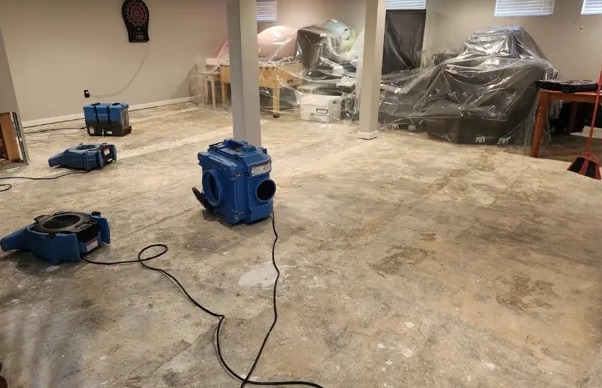
Emergency containment sets up critical barriers and deploys negative air machines to isolate the mold-affected floor area from the rest of your living space.
Concrete Slab Mold Mitigation
Concrete slab mitigation starts with identifying and correcting the moisture intrusion, then cleaning the slab with industrial antimicrobials to remove surface mold.
Laminate Flooring Mold Treatment
The pros assess whether the mold has compromised the laminate's core, which usually necessitates plank replacement for a complete fix in Kansas City.
Hardwood Floor Mold Removal
For hardwood, the pros use gentle, targeted methods to lift mold stains and treat the wood without compromising its finish or structural integrity.
Tile Grout Mold Cleanup
Tile and grout cleanup requires penetrating the porous material to kill mold roots, followed by a high-temperature steam treatment for a deep clean.
When to Consider Floor Mold Removal for Your Home
Peeling Floor Finish or Adhesive
Finish peeling off hardwood or tile grout crumbling can be a secondary sign of moisture damage and moldy floor cleanup needs.
Warped or Buckling Floorboards
Hardwood or laminate planks that are cupping, buckling, or lifting often have moisture and mold damage underneath that needs assessment.
Damp or Wet Flooring Feel
Flooring that feels persistently damp, cool, or spongy underfoot suggests moisture intrusion, creating ideal conditions for floor mold remediation.
Visible Mold on Baseboards
Mold growth creeping up baseboards or walls from the floor junction is a clear sign the flooring mold treatment area is expanding.
How Floor Mold Removal Works in Kansas City
Step 1: Initial Mold on Floor Evaluation
The experts perform a detailed assessment, using moisture meters and thermal imaging to find hidden wetness and define the scope of floor mold cleanup needed.
Step 2: Source Correction and Drying Prep
Any active water leak is stopped first. Then, furniture is moved, and the area is prepared for drying equipment to begin the mold damage restoration process.
Step 3: Contaminated Material Extraction
Porous materials with deep mold growth, such as carpet and underlayment, are extracted. Non-porous surfaces like tile are cleaned with EPA-registered antimicrobial agents.
Step 4: HEPA Vacuuming and Air Scrubbing
The entire contained area undergoes HEPA vacuuming of all surfaces. Air scrubbers run continuously to remove airborne mold spores, finalizing the flooring mold treatment.
Primary Sources of Floor Mold Damage
Condensation From HVAC Systems
Improperly installed or insulated AC ductwork in floors or crawlspaces can cause condensation drip, directly wetting floor structures and insulation.
Slow Drying After Cleaning
Deep-cleaning carpets or mopping floors without adequate drying leaves residual moisture deep in padding or subflooring, inviting mold spores to grow.
Roof or Window Leaks
Water intrusion from a leaky roof or windows can travel down wall cavities and pool under flooring, creating hidden mold reservoirs.
Poor Subfloor Ventilation
Inadequate airflow in crawlspaces or under raised floors traps moisture vapor, promoting mold growth on the underside of flooring and joists.
Both Residential & Commercial Floor Mold Removal
Residential Floor Mold Removal
Effective floor mold removal safeguards a home's air quality and property value. The pros in Kansas City deal with common residential issues like mold from a refrigerator leak under flooring or mold growth on sunroom tile due to condensation.
Commercial Floor Mold Removal
In commercial buildings, professional floor mold remediation is a key part of facility maintenance. Specialists address mold in entryway mats, under raised data floors, and in carpeted hallways, documenting all damage for the property manager's insurance claim review.
The Risks of DIY Floor Mold Removal in Kansas City
For a recent, clean water spill, use a wet-dry vacuum on hard surfaces. Move furniture off wet carpet. For gray or black water, or flooring damp over 48 hours, professional mold removal services are necessary to prevent mold.
Understanding Floor Mold Removal Cost in Kansas City
For floor mold cleanup in Kansas City, cost factors include the type of mold present and the necessary drying time post-remediation. Projects requiring moldy subfloor removal or extensive antimicrobial treatment will have different price considerations.
Containment Complexity
Emergency floor mold containment setups, including physical barriers and negative air machines, add to project costs to prevent cross-contamination.
Mold Species Present
Black mold on floor remediation often requires more stringent safety protocols and specialized antimicrobial treatments compared to common mold types.
Access and Obstacles
Furniture moving, limited workspace, and the need to protect unaffected areas can increase the time and labor for mold removal services.
Does Insurance Cover Floor Mold Removal?
Home insurance might cover floor mold removal needed to repair damage from a covered peril. Coverage for mold spores on floor remediation is not universal. Experts compile evidence, including reports. Confirm with the agent, as terms dictate the outcome.
Selecting the Right Mold Damage Pros for Floor Mold Removal
Material-Specific Treatment Protocols
Techniques differ for carpet mold remediation, tile and grout mold cleanup, and laminate flooring mold treatment to protect your flooring's integrity.
Documentation for Insurance
Detailed reports and photos of the mold damage restoration process are provided to support any potential insurance claim you file.
Safe Containment Procedures
Containment barriers and negative air pressure are used during mold removal services to isolate the work area and protect your home.
Rapid Emergency Floor Mold Removal for Kansas City
A sudden water leak can lead to urgent mold under floor removal needs within days. For round-the-clock mold damage restoration and containment to limit the damage, reach out to specialists at (816) 355-6039.
Call Now (816) 355-6039Extended Floor Mold Removal Service Region
In Kansas City, addressing mold under floor removal promptly protects your home's value and air quality. Mold damage restoration services are accessible for Kansas City and adjacent areas like Westwood, Roeland Park and Mission Hills, focusing on complete moisture elimination.
Common Floor Mold Removal Queries Answered
Does carpet mold remediation always require replacement?
Not always. If mold growth is superficial and caught early, professional deep cleaning can sometimes salvage the carpet. However, mold penetration into the padding usually necessitates replacement.
What happens during a mold inspection for floors?
A mold inspection floor assessment involves visual examination, moisture meter and thermal imaging scans to find hidden dampness, and sometimes air or surface sampling to identify mold spore types and levels.
Will floor mold removal eliminate the musty smell?
Professional floor mold remediation should eliminate the odor by removing the mold source. Deodorizing agents and air scrubbers are also used during the process to clean the air of volatile compounds.
How is tile and grout mold cleanup performed?
Tile and grout mold cleanup involves scrubbing with EPA-registered fungicides, steam cleaning, and often regrouting if the mold has deeply penetrated the porous grout material to ensure complete removal.
What is involved in floor mold removal in Kansas City?
The process includes a detailed mold inspection floor assessment, containment of the area, safe removal of contaminated materials like drywall or carpet, antimicrobial treatment, and thorough drying to prevent regrowth.