Kansas City, MO · Jackson County
Black Mold Removal in Kansas City, MOAntimicrobial Treatment For Mold Remediation & Mold Containment Procedures
Proper black mold removal in Kansas City demands mold containment procedures, post remediation verification, and moisture source correction.
Answered 24/7
Local Black Mold Removal for Kansas City Properties
Black mold in a Kansas City property needs proper containment and removal. Testing can identify the species, but removal must not spread spores.
Black mold remediation and removal for properties in Kansas City and nearby places like Westwood, Roeland Park and Mission Hills addresses localized moisture issues that foster toxic mold. The process includes HEPA vacuuming and antimicrobial treatment.
Black Mold Removal Methods Used in Kansas City
Antimicrobial Treatment for Mold Remediation
For homes in Kansas City, antimicrobial application by mold removal experts is a proactive measure. This treatment is applied to cleaned surfaces to help guard against subsequent spore colonization.
Mold Containment Procedures
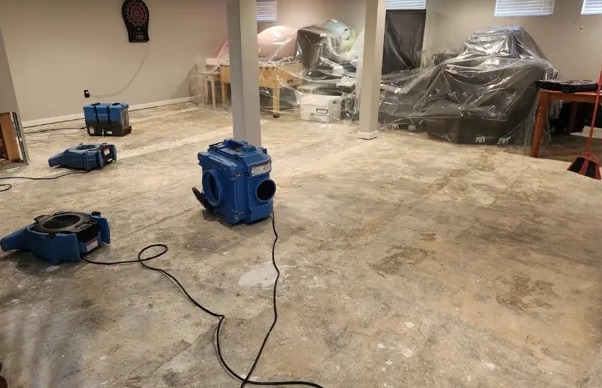
The zone is sealed with plastic sheeting and a decontamination chamber. These measures are taken to control the environment and prevent cross-contamination.
Mold-Contaminated Material Removal
Moldy material removal involves the safe disposal of items that cannot be adequately cleaned. Non-porous surfaces may be salvageable through intensive cleaning, but porous materials usually require replacement.
Moisture Control Consultation
First, all affected areas are found. The specialists map the contamination to plan containment and removal.
HEPA Vacuuming for Mold Spores
HEPA vacuuming services target remaining particulate on floors, walls, and other hard surfaces. These vacuums are designed to trap extremely small particles that standard vacuums would recirculate into the air.
Indicators for Black Mold Removal in Your Home
Persistent Musty Odors
A strong, earthy smell that lingers in certain rooms or areas often points to hidden mold growth behind walls or under flooring.
Deteriorating Attic or Crawlspace
Wet insulation, rotted wood or visible mold in these hidden spaces are common signs of a serious mold problem.
Peeling Paint or Wallpaper
Paint bubbling or wallpaper peeling away from the wall is often caused by moisture trapped underneath, which fuels mold growth.
Condensation on Windows
Excessive condensation on windows or cold surfaces signals high indoor humidity, a primary factor for black mold in walls.
How Black Mold Removal Works in Kansas City
Step 1: Assessment and Action Plan
The service starts with a professional mold inspection to identify all growth and moisture issues, forming the blueprint for the entire mold remediation project.
Step 2: Establishing a Controlled Environment
To safely perform toxic mold removal, pros set up containment with negative air pressure and run industrial air scrubbers to protect the property's air quality.
Step 3: Eradication and Deep Cleaning
Mold-contaminated material removal is performed for porous items. Remaining structures are cleaned with HEPA vacuums and treated with antimicrobial agents.
Step 4: Validation and Preventive Advice
Post remediation verification, including possible air quality testing, confirms the cleanup. The pros also help fix the moisture cause.
Common Causes of Black Mold in Kansas City
Landscaping and Grading Issues
Soil sloping toward the foundation or dense planting against walls directs water into the structure, a key factor for mold prevention failure.
Poor Bathroom Ventilation
Inadequate exhaust fans allow steam from showers to saturate walls and ceilings, creating a perfect habitat for black mold growth.
High Indoor Humidity Levels
Consistently high humidity from daily activities or a faulty AC unit provides the constant moisture mold spores need to thrive and spread.
Flooding From Storms or Appliances
Major water intrusion from storms or appliance failures soaks building materials. Prompt water extraction and drying help keep mold from starting.
Black Mold Removal for Homes and Businesses in Kansas City
Residential Black Mold Removal
The specialists use containment and HEPA vacuuming to protect your family's health and home structure during the mold remediation process.
Commercial Black Mold Removal
For businesses, mold can disrupt operations, damage inventory, and affect employee health and customer perception. Containment separates affected spaces, and air scrubbing filters airborne particles during remediation.
When to Handle Mold Yourself vs. Call Mold Remediation Specialists
Using a dehumidifier in damp basements or crawlspaces can assist with mold prevention by controlling moisture levels. If you smell a persistent musty odor or experience health symptoms, stop DIY efforts and schedule an assessment with the specialists.
What Affects Black Mold Removal Cost in Kansas City, MO
In Kansas City, the final cost is set after an inspection identifies all affected materials and any testing that is needed.
Air Scrubber Requirements
The number and size of HEPA filtration units needed to clean the air during the mold remediation process influence equipment fees.
Containment Complexity
Sealing off the work area with barriers to prevent spore spread during mold removal increases setup time and material needs.
Moisture Source Correction
Identifying and repairing the root cause, like a leaky pipe or poor ventilation, adds plumbing or carpentry service costs.
Does Insurance Cover Black Mold Removal?
Mold removal is covered only if your policy includes it and the mold came from a covered water loss. The specialists document the damage for your claim, and the insurer makes the decision.
Reasons to Select Local Specialists in Kansas City for Mold
Industry-Standard Remediation Methods
Containment, removal and cleaning take out mold colonies and help prevent regrowth.
Comprehensive Mold Inspection
An assessment using moisture meters and visual checks identifies all affected areas, including hidden mold within wall cavities.
Safe Contaminated Material Removal
Mold-damaged drywall and insulation are bagged and sealed on-site for safe disposal, following local regulatory guidelines.
24/7 Emergency Black Mold Removal in Kansas City, MO
Need help now? Round-the-clock help is a call away. To start the mold remediation process and secure your home, contact local specialists at (816) 355-6039 now.
Call Now (816) 355-6039Black Mold Removal Coverage in and Around Kansas City
In Kansas City and nearby Westwood, Roeland Park and Mission Hills, mold cleanup follows set containment and removal protocols.
Black Mold Removal FAQs
What is the difference between mold removal and abatement?
In the restoration industry, the terms are often used interchangeably. Both generally describe the professional process of eliminating mold contamination and returning indoor spore levels to a normal, safe range.
What are the signs of a black mold problem?
Visible black or dark greenish mold, a persistent musty odor, and unexplained allergic symptoms or health issues among occupants can indicate a mold issue.
Why is mold inspection a critical first step?
Inspection with moisture meters and thermal imaging finds the full extent of damage, including hidden mold, which is necessary for an accurate remediation plan.
What is post remediation verification?
It is a final step where independent air and surface samples are taken after cleanup to scientifically verify that mold spore counts are within acceptable limits.
What is the black mold remediation process?
The process covers inspection, containment, removal of contaminated materials, HEPA vacuuming, antimicrobial treatment and verification testing.