Parkville, MO · Platte County
Behind Wall Water Extraction in Parkville, MOWet Drywall & Moisture Barrier Installation
Homeowners in Parkville get Behind Wall Water Extraction for hidden water damage detection, wet drywall removal and interior wall drying services.
Answered 24/7
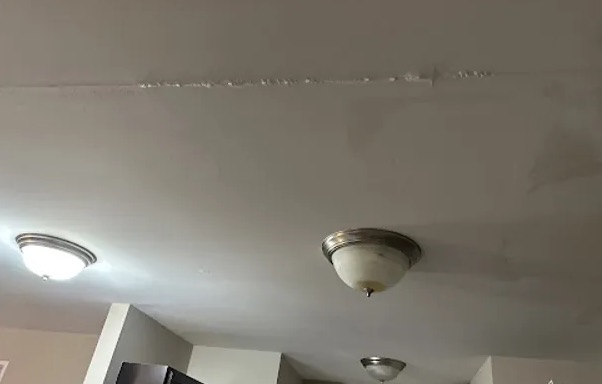
Behind Wall Water Extraction by Water Damage Pros in Parkville
Not every wet wall needs to be torn out. In Parkville, drywall that got wet from a clean water leak and was caught early can often be dried in place with directed airflow.
Homes in Parkville and nearby Weatherby Lake, Kansas City and Gladstone have plumbing, wiring and insulation inside their walls, all of which can hide a leak. The pros find the water, open the wall where needed and dry the cavity.
Comprehensive Behind Wall Water Extraction Offered in Parkville
Wet Drywall
Drywall that is soft, crumbling or soaked above the floor is cut out above the wet line so the cavity behind it can dry.
Moisture Barrier Installation
A vapor barrier that trapped water against the studs is removed during drying, and a new one is installed only after readings are normal.
Post-Extraction Wall Sanitization
After drying, framing and the back of drywall can be cleaned and treated with an antimicrobial where they stayed wet.
Emergency Behind Wall Water Removal
Help is available any hour when water is pouring from a wall or a pipe has burst inside it.
Hidden Water Damage Detection
Detection starts at the visible stain or soft spot and works outward, checking studs, baseboards and the floor along the wall.
Do You Need Behind Wall Water Extraction? Common Signs in Parkville
Sounds of Dripping Inside Walls
Dripping or running water sounds inside a wall when no fixture is on usually mean a pipe leak.
Increased Humidity in Home
A home that feels more humid than usual can have wet materials inside the walls.
Sudden Spike in Water Bill
A water bill that rises with no change in use can mean a supply line leaking inside a wall.
Warped or Bubbling Drywall
Drywall that bubbles, bows or warps has water behind it pushing on the paper face.
How Behind Wall Water Extraction Works in Parkville
Step 1: Non-Invasive Moisture Detection
Readings through the drywall show the wet area before any holes are made.
Step 2: Strategic Water Extraction
Small access points let water drain and be extracted from the bottom of the cavity.
Step 3: Structural Cavity Drying
Directed airflow dries the studs and plates, with equipment adjusted each day as readings drop.
Step 4: Area Sanitization and Monitoring
Surfaces are cleaned, framing that stayed wet is treated and readings are logged until dry.
Leading Causes of Wall Water Damage in Parkville
Appliance Supply Line Leaks
Supply lines for refrigerators, washers and dishwashers can leak into the wall behind them.
Siding or Stucco Penetration
Cracks in siding or stucco, and gaps around fixtures, let rain into the wall cavity.
Roof Leak Seeping Down Walls
Rain from a roof leak can run down the inside of an exterior wall and soak the bottom of it.
Foundation Cracks and Seepage
Groundwater seeping through foundation cracks can wet the bottom of lower-level walls.
Both Residential & Commercial Behind Wall Water Extraction in Parkville
Residential Behind Wall Water Extraction
In homes, behind-wall leaks often start at a bathroom, kitchen or laundry wall. Water is found, the wall opened where needed and the cavity dried so the room can be repaired.
Commercial Behind Wall Water Extraction
In offices and stores, wall leaks can damage wiring, finishes and stock along the wall. Work is planned around business hours, and access holes are kept small where possible.
DIY Risks for Behind Wall Water Extraction in Parkville Homes
A fan blowing on the outside of a wall will not dry the cavity behind it. Professional drying pushes air into the wall and uses readings to confirm the studs are dry.
Behind Wall Water Extraction Cost in Parkville, MO
The cost of behind wall water extraction in Parkville depends on how much wall area is wet, whether insulation must be removed and how hard the source is to trace.
Extent of Saturation
Drywall and framing that soaked for weeks need more drying time or replacement than a fresh leak.
Access Method Needed
Drying through small holes costs less than cutting out and replacing large sections of drywall.
Wall Area Affected
A wet section a few feet wide costs less to dry than water spread along a whole wall or several rooms.
Does Insurance Cover Behind Wall Water Extraction?
Insurers often ask how long a hidden leak ran. Notes on the source and the condition of the framing help answer that question.
Benefits of Local Pros for Behind Wall Water Extraction in Parkville
Moisture Barrier Expertise
Vapor barriers in exterior walls are replaced after drying, so the wall works as designed.
Post-Extraction Sanitization
Cavities touched by dirty water are cleaned and disinfected before they are closed.
Controlled Demolition Practices
Walls are opened only where readings show water, which keeps repairs smaller.
Emergency Behind Wall Water Extraction Response in Parkville, MO
Water coming out of a wall in Parkville? Shut off the main water valve, turn off power to that wall and call (816) 355-6039. Help is available 24/7.
Call Now (816) 355-6039Behind Wall Water Extraction in Parkville and Other Areas Served
Each place listed below has its own page with local details.
- Behind Wall Water Extraction in Weatherby Lake
- Behind Wall Water Extraction in Kansas City
- Behind Wall Water Extraction in Gladstone
- Behind Wall Water Extraction in Piper
- Behind Wall Water Extraction in Roeland Park
- Behind Wall Water Extraction in Merriam
- Behind Wall Water Extraction in Prairie Village
- Behind Wall Water Extraction in Independence
FAQ: Behind Wall Water Extraction in Parkville, MO
Why is post-extraction wall sanitization important?
Framing that stayed wet, or was reached by drain water, can be cleaned and treated so odors and mold do not develop.
What are signs of water inside walls?
Stains, bubbling paint, soft drywall, musty smells, dripping sounds and a rising water bill.
Does water extraction require cutting into drywall?
Not always. Small holes or removed baseboards are often enough. Larger cuts are made only where drywall is ruined.
What is behind wall water extraction?
Finding water inside a wall cavity, removing it through small openings or removed drywall, and drying the framing and insulation until readings are normal.
Is the source of a wall leak identified?
Yes. The pros trace the water to a pipe, fixture, window or roof leak and note it so the right repair can be made.