Parkville, MO · Platte County
AC Unit Water Removal in Parkville, MOAC Leak Mold Prevention & AC Leak Water Extraction
AC Unit Water Removal in Parkville runs from emergency AC water removal and AC leak water cleanup to air conditioner restoration services.
Answered 24/7
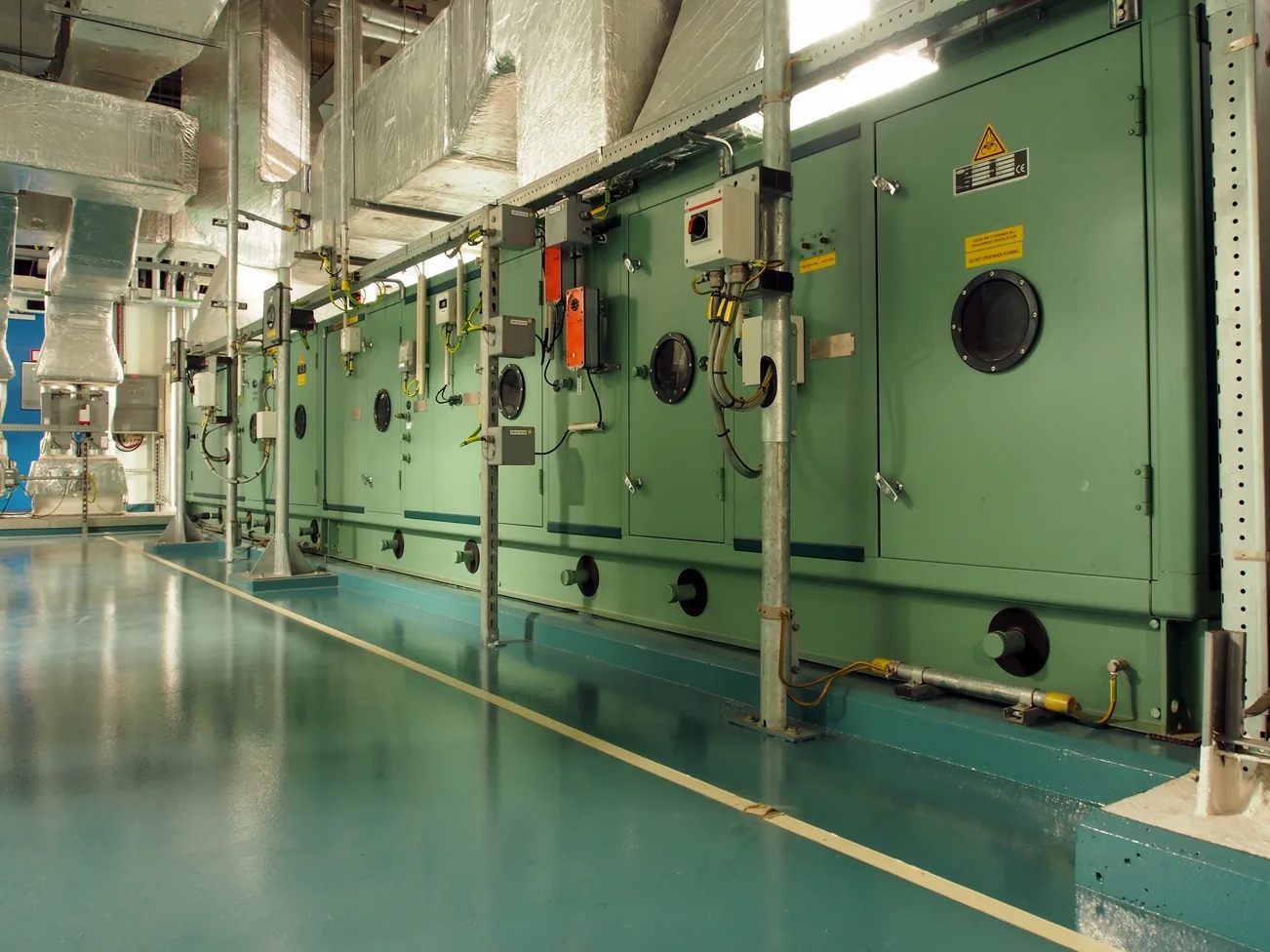
Trusted AC Unit Water Removal for Parkville Residents
In Parkville, an AC that runs for months produces a steady flow of condensate. A blocked or disconnected drain line sends that flow into the house, where it soaks whatever sits below the unit.
A leaking AC in Parkville rarely fixes itself, and the water keeps soaking the same drywall and subfloor until the drain is cleared. Local water damage pros serve Parkville and nearby Weatherby Lake, Kansas City and Gladstone, with help available around the clock for leaks of any size.
Detailed AC Unit Water Removal Offerings for Parkville
AC Leak Mold Prevention
Once materials are dry, an EPA-registered antimicrobial can be applied to wet wood and drywall near the unit to slow microbial growth.
AC Leak Water Extraction
Water is removed from every wet surface the leak reached, including closets and rooms below an attic air handler.
AC Condensate Drain Clearing
A clogged condensate line is the most common reason an AC unit leaks. The pros flush out algae and sludge so condensate drains away again.
Wet AC Unit Component Drying
Wet blower motors, panels and wiring are dried with gentle airflow and dehumidifiers rather than direct heat, which lowers the risk of corrosion and shorts.
AC Leak Water Cleanup
Water from an overflowing air handler is extracted from the floor, closet or mechanical room, then nearby walls are checked with a moisture meter.
Signs of AC Water Damage Requiring Removal
Wet AC Unit Components
Damp coils, a wet blower compartment or moisture around wiring inside the cabinet mean water is collecting where it should not.
Condensation Line Dripping
A condensate line that drips inside instead of outside has a crack, loose fitting or clog.
Visible Mold Near AC
Dark spots on drywall or framing near the unit mean the area has stayed wet for days.
Unusual AC System Noises
Gurgling or dripping sounds from the unit can mean water is backing up in the drain line.
How AC Unit Water Removal Works in Parkville
Step 1: Emergency AC Water Removal
The unit is shut off and standing water is extracted from the drain pan, the floor and any carpet or pad it reached.
Step 2: AC Condensation Line Clearing
The drain line is flushed or vacuumed clear of algae and sludge, so condensate flows outside again.
Step 3: Wet AC Unit Component Drying
Air movers and a dehumidifier dry the cabinet interior and the walls, floor or ceiling around the unit.
Step 4: AC Leak Mold Prevention
Once readings show dry, wood and drywall that stayed wet can be treated with an antimicrobial.
Why AC Units Leak and Need Water Removal
Clogged AC Condensation Line
Algae and sludge build up in the drain line over a cooling season until water backs up into the pan.
Dirty Air Filters
A clogged filter cuts airflow, which can freeze the coil and cause overflow when it melts.
Failed Condensate Pump
Units that pump condensate uphill depend on a small pump. When it fails, the reservoir overflows.
Damaged AC Drain Pan
Metal pans rust through and plastic pans crack with age, letting water drip straight through.
Residential and Commercial AC Unit Water Removal in Parkville
Residential AC Unit Water Removal
For homeowners, the main risk is water soaking into insulation and drywall where no one sees it. Moisture meters find that hidden water so it can be dried before it causes rot.
Commercial AC Unit Water Removal
For property managers, one leaking unit can affect several suites or the floor below. Each wet area is extracted, dried and documented for the owner and insurer.
Why DIY AC Water Removal Often Fails in Parkville
A wet vac on the condensate line outlet clears many simple clogs. If the ceiling below an attic unit is stained or sagging, stay out from under it and call (816) 355-6039 instead of poking holes in it.
Understanding AC Unit Water Removal Pricing in Parkville
Pricing for AC unit water removal in Parkville is set after an inspection. The pros measure the wet area, check for hidden moisture and explain each item before starting.
Secondary Damage Presence
Wet ceilings, swollen baseboards or damp framing add removal and repair work to the job.
System Restoration Complexity
Replacing drywall, insulation or trim after drying adds material and labor to the total.
Required Drying Time
Dense materials and enclosed spaces take longer to dry, which means more equipment days.
Does Insurance Cover AC Unit Water Removal?
Photos, moisture readings and a written scope from local water damage pros help support an insurance claim for AC water damage in Parkville. Keep copies of everything you send your adjuster, along with your own photos.
Advantages of Hiring Local Pros in Parkville for AC Unit Water Removal
Systematic Drain Line Clearing
The condensate line is cleared, not just the water mopped up, so the leak does not come right back.
Clear Process Communication
Each step is explained before work starts, so you know what is being removed and why.
24/7 Emergency Response
Help is available any hour, which matters when an attic unit starts leaking into a ceiling at night.
24/7 Emergency AC Unit Water Removal in Parkville
Water from an air handler spreads fast through drywall and carpet. Call (816) 355-6039 for emergency AC unit water removal in Parkville at any time of the day or night.
Call Now (816) 355-6039AC Unit Water Removal Throughout Parkville and Beyond
Other places served are listed below, each with its own page.
Your AC Unit Water Removal Questions Addressed
How quickly should I deal with an AC leak?
Right away. Water that sits for more than a day or two soaks into drywall and insulation and raises the risk of microbial growth.
What does emergency AC water removal include?
Shutting off the unit, extracting standing water, clearing the drain and starting drying equipment, at any hour.
What is involved in AC unit water removal?
Standing water is extracted, the condensate line is cleared, and wet materials are dried with air movers and dehumidifiers until moisture readings are normal.
How does antimicrobial treatment help after an AC leak?
Once surfaces are dry, an antimicrobial can be applied to wood and drywall that stayed wet to slow microbial growth.
What happens if I ignore a drain pan overflow?
The leak keeps wetting the same materials, which can lead to rot, ceiling damage and microbial growth.