Mission, KS · Johnson County
Basement Water Removal in Mission, KSEmergency Basement Flooding & Basement Water Pump Out
Basement Water Removal in Mission covers basement water pump out, basement wall drying and basement dehumidification after a flood.
Answered 24/7
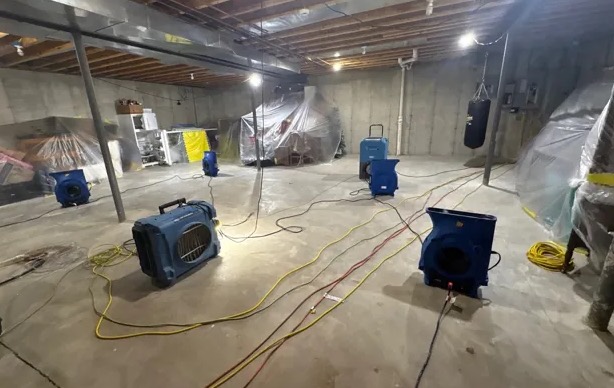
Basement Water Removal Solutions for Mission Homeowners
A basement that looks dry a day after a flood in Mission can still hold a lot of water in the slab, the bottom of the walls and under flooring. That hidden water causes the musty smell many basements have.
A single storm or burst pipe in Mission can flood a basement. Local basement drying experts serve Mission and nearby Roeland Park, Fairway and Merriam, with help available around the clock.
Professional Basement Water Removal Offerings
Emergency Basement Flooding
A flooded basement threatens the furnace, water heater and anything stored on the floor. Fast pumping protects what can still be saved.
Basement Water Pump Out
When water is more than an inch or two deep, pumps move it far faster than wet vacs, which limits how long walls sit in water.
Sump Pump Failure Water Cleanup
A backup pump or battery system is worth discussing with a plumber after the cleanup, since sump failures often repeat in storms.
Basement Dehumidification
Large dehumidifiers pull moisture from basement air, which lets walls, framing and the slab release the water they absorbed.
Basement Moisture Inspection
Readings are recorded at each visit, giving you and your insurer a clear record of the drying.
Signs of Basement Water Damage in Mission
Warped or Buckling Flooring
Flooring that buckles, lifts or feels spongy has water trapped between it and the slab.
Efflorescence on Concrete Walls
White, powdery deposits on concrete walls mean water is passing through the masonry.
Wet or Damp Basement Walls
Basement walls that look dark, feel damp or show tide lines are taking on or holding water.
Mold or Mildew
Dark spots on drywall, framing or stored items mean the area has stayed wet for days.
How Basement Water Removal Works in Mission
Step 1: First Call and Initial Assessment
The source, the type of water and the depth are checked, and the water level is photographed.
Step 2: Bulk Water and Contaminant Removal
Pumps remove standing water, and carpet, pad or drywall touched by dirty water is removed.
Step 3: Drying With Monitoring
Dehumidifiers and air movers run around the clock, with readings logged every day on walls and slab.
Step 4: Post-Drying Evaluation and Documentation
Final readings and photos are compiled to show the basement is dry and what was removed.
Common Causes of Basement Water Damage in Mission
Window Well Leaks and Drainage
Window wells without drains or covers fill with rain and leak through the windows.
Appliance Malfunctions and Overflows
Washers, utility sinks and water softeners in the basement can overflow or leak.
Plumbing Leaks or Pipe Bursts
Supply lines, drain pipes and water heaters in the basement can leak or burst onto the floor.
Foundation Cracks and Seepage
Cracks in foundation walls and the slab let groundwater seep in during wet weather.
Basement Water Removal for Homes and Businesses
Residential Basement Water Removal
In homes, a wet basement often means damaged carpet, drywall and stored belongings, plus a furnace or water heater sitting in water. Water is pumped out and the space dried.
Commercial Basement Water Removal
In commercial buildings, basements often house mechanical rooms and storage. Water is removed so systems can be checked to determine whether they can be restarted safely.
Basement Water Removal vs. DIY: When to Call the Pros
Water that came up through a floor drain may be sewage. Avoid touching it, keep children and pets away and call the experts for cleanup with protective gear and disinfection.
Investing in Professional Basement Water Removal
In Mission, the drying phase usually costs more than the pumping, because basements need equipment running for several days.
Affected Materials
Finished walls, carpet and laminate take more removal work than bare concrete.
Access and Complexity
Narrow stairs, low ceilings and crowded storage areas make the work slower and longer.
Basement Square Footage
Larger basements need more extraction, more drying equipment and more days of drying.
Does Insurance Cover Basement Water Removal?
Many homeowner policies cover sudden basement water from a burst pipe but not groundwater seepage. Sewer backup coverage is often an add-on, so check yours.
Advantages of Local Basement Water Removal Experts
Contamination Safety Protocols
Sewage and dirty water are handled with protective gear, containment and disinfection.
Detailed Damage Documentation
Photos, readings and drying logs are kept to support your insurance claim.
Focus on Drying Outcomes
Drying continues until readings are normal, not just until surfaces look dry.
24/7 Basement Water Removal When You Need It
Water still rising in the basement? Call (816) 355-6039 now for basement water removal in Mission before the water reaches finished rooms and stored belongings.
Call Now (816) 355-6039Communities Served for Basement Water Removal
Nearby areas served for basement water removal include Roeland Park, Fairway and Merriam, with the same pumping and drying steps used in Mission.
- Basement Water Removal in Roeland Park
- Basement Water Removal in Fairway
- Basement Water Removal in Merriam
- Basement Water Removal in Mission Hills
- Basement Water Removal in Westwood
- Basement Water Removal in Prairie Village
- Basement Water Removal in Shawnee
- Basement Water Removal in Leawood
- Emergency Damage Restoration in 66201
- Storm Damage Restoration in 66201
- Water Damage Restoration in 66201
- Water Extraction Service in 66201
- Water Leak Detection in 66201
- Water Removal Service in 66201
- Emergency Damage Restoration in 66202
- Storm Damage Restoration in 66202
Frequently Asked Basement Water Removal Questions
Does basement flood cleanup include mold prevention?
Fast drying is the main prevention. Wood and concrete that stayed wet can be treated with an antimicrobial once dry.
What happens during basement moisture control?
Dehumidifiers and air movers keep humidity low while materials dry, and readings confirm when the space is normal.
How does a basement moisture inspection work?
Moisture meters and thermal cameras check walls, floors and the slab, including behind finished walls and under flooring.
Why is fast water removal so important for basements?
Basements dry slowly, so every hour of standing water adds drying days and more materials to replace.
How is contaminated water handled in a basement?
With protective gear, containment, removal of porous materials and disinfection of hard surfaces before drying.