Mission Hills, KS · Johnson County
Basement Water Removal in Mission Hills, KSBasement Wall Drying & Basement Water Pump Out
Basement Water Removal in Mission Hills includes basement water pump out, basement drying services and basement moisture inspection.
Answered 24/7
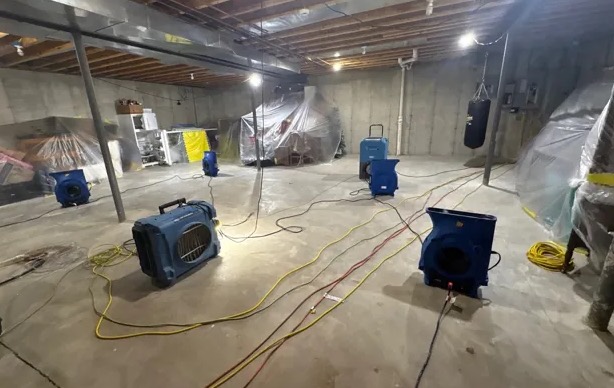
Local Basement Water Removal Services for Mission Hills
Dehumidification is the slow but necessary part of basement water removal in Mission Hills. Pumps remove standing water quickly, but walls and concrete keep releasing moisture for days.
Homeowners in Mission Hills can call (816) 355-6039 day or night when the basement is taking on water. Service also covers Fairway, Westwood and Roeland Park, with the same pumping and drying steps.
The Basement Water Removal Process in Mission Hills
Basement Wall Drying
Opening the bottom of finished walls lets air reach the studs and sill plate, which otherwise stay wet behind the drywall.
Basement Water Pump Out
Pumping starts once power to the basement is safe. Deep water goes first, then extractors handle the thin layer left on the floor.
Basement Moisture Inspection
An inspection shows how high water wicked up the walls and how far it spread under flooring, which sets the drying plan.
Basement Dehumidification
Dehumidifiers run continuously during drying, and their output is checked to track how much water is still coming out of the materials.
Emergency Basement Flooding
Help is available any hour when water is rising in the basement from a storm, a sewer backup or a burst pipe.
Common Symptoms Requiring Basement Water Removal
Standing Water in Basement
Standing water anywhere on the basement floor needs to be pumped out before it soaks the walls.
Water Stains on Walls or Ceiling
Stains on lower walls or the ceiling below a bathroom or kitchen point to a leak.
Warped or Buckling Flooring
Flooring that buckles, lifts or feels spongy has water trapped between it and the slab.
Sump Pump Failure or Overflow
A sump pit that is full, overflowing or has a pump that will not start means water is about to spread.
How Basement Water Removal Works in Mission Hills
Step 1: Emergency Water Extraction
Power is made safe, then pumps and extractors remove standing water from the basement floor.
Step 2: Detailed Moisture Inspection
Meters map wet walls, framing and slab areas, including behind finished walls and under flooring.
Step 3: Drying and Dehumidification
Air movers and large dehumidifiers run continuously, with readings checked every day.
Step 4: Final Verification and Monitoring
Readings are compared to dry areas, and equipment is removed only when the basement tests dry.
Common Causes of Basement Water Damage in Mission Hills
Improper Landscape Grading
Soil that slopes toward the house directs rainwater straight to the basement walls.
Sewer Line Backups and Blockages
A blocked sewer line can push wastewater up through basement floor drains and toilets.
Heavy Rainfall and Storm Flooding
Heavy rain saturates the soil and pushes water through walls, cracks and the floor joint.
Sump Pump Malfunction or Power Loss
A sump pump that fails mechanically or loses power during a storm lets groundwater rise.
Professional Basement Water Removal for All Properties
Residential Basement Water Removal
Families should keep children and pets away from basement water until power is safe and the type of water is known.
Commercial Basement Water Removal
In restaurants and shops, basement water near food or stock storage needs removal and cleaning before those areas are used again.
Professional Basement Water Removal Versus Do-It-Yourself
A small puddle on bare concrete can be handled with a wet vac, towels and a dehumidifier. Call local basement water removal pros if water reached carpet, drywall or framing, or covers much of the floor.
Factors Affecting Basement Water Removal Cost
In Mission Hills, the drying phase usually costs more than the pumping, because basements need equipment running for several days.
Water Depth and Volume
Deeper water takes more pumping time and usually means more materials got wet.
Drying Time Required
Basements dry slowly, and each extra day of equipment adds to the total.
Access and Complexity
Narrow stairs, low ceilings and crowded storage areas make the work slower and longer.
Does Insurance Cover Basement Water Removal?
Many homeowner policies cover sudden basement water from a burst pipe but not groundwater seepage. Sewer backup coverage is often an add-on, so check yours.
Advantages of Local Basement Water Removal Experts
Industry Drying Standards
Water removal and drying follow industry water damage standards, with readings at every visit.
Moisture Inspection
Meters and thermal cameras find water in walls, floors and slab that looks dry.
Methodical Water Removal Process
Water is removed in a set order: pump-out, extraction, removal of soaked materials, then drying.
Round-the-Clock Basement Water Removal for Mission Hills
Storm night, weekend or holiday, the pros handle basement water in Mission Hills. Call (816) 355-6039 to get pumps running and drying started.
Call Now (816) 355-6039Local Basement Water Removal Coverage for Fairway, Westwood and Roeland Park
Besides Mission Hills, the pros handle basement pump-outs, wall drying and dehumidification in nearby Fairway, Westwood and Roeland Park.
Common Basement Water Removal Questions Answered
How is contaminated water handled in a basement?
With protective gear, containment, removal of porous materials and disinfection of hard surfaces before drying.
Can I dry my basement myself with fans?
Fans help with surface water, but walls and concrete need dehumidifiers and readings to dry fully.
What is emergency basement flooding response?
Help any hour to make power safe, stop the source, pump out water and start drying before more damage sets in.
How does a basement moisture inspection work?
Moisture meters and thermal cameras check walls, floors and the slab, including behind finished walls and under flooring.
What causes basement floor water damage?
Storm seepage, burst pipes, appliance leaks, foundation cracks and sewer backups through floor drains are the usual sources.