Louisburg, KS · Miami County
Basement Water Removal in Louisburg, KSBasement Wall Drying & Basement Floor Water Damage
Basement Water Removal in Louisburg runs from basement water pump out and basement drying services to basement dehumidification.
Answered 24/7
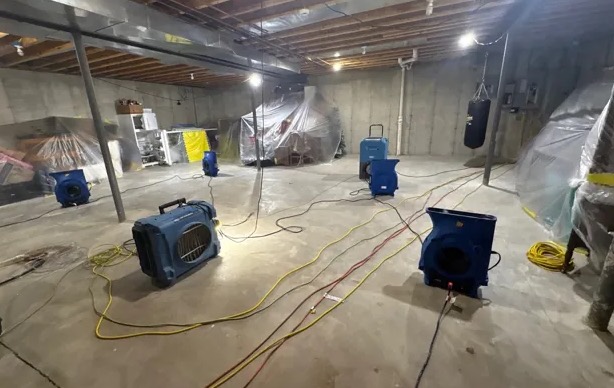
Reliable Basement Water Removal Near Louisburg, Kansas
In Louisburg homes with a basement or below-grade room, water usually comes from storms, sewer backups or plumbing leaks overhead. The source decides how the water is handled and what can be saved.
Homeowners in Louisburg can call (816) 355-6039 day or night when the basement is taking on water. Service also covers Bucyrus, Hillsdale and Stilwell, with the same pumping and drying steps.
Basement Water Removal Services in Louisburg
Basement Wall Drying
Opening the bottom of finished walls lets air reach the studs and sill plate, which otherwise stay wet behind the drywall.
Basement Floor Water Damage
Concrete floors are squeegeed, extracted and dried with airflow and dehumidifiers until moisture readings drop.
Basement Water Pump Out
A pump-out removes standing water from the basement with submersible pumps, discharging it outside and away from the foundation.
Sump Pump Failure Water Cleanup
A backup pump or battery system is worth discussing with a plumber after the cleanup, since sump failures often repeat in storms.
Basement Drying Services
After pumping, air movers and dehumidifiers dry the walls, framing and slab. Readings are taken daily until every surface is back to normal.
Signs of Basement Water Damage in Louisburg
Musty Odors and Mold Smell
A musty or damp smell in the basement points to wet materials hidden somewhere in the space.
Mold or Mildew
Dark spots on drywall, framing or stored items mean the area has stayed wet for days.
Soggy or Wet Carpeting
Carpet that feels damp or smells sour is holding water in the pad against the concrete.
Standing Water in Basement
Standing water anywhere on the basement floor needs to be pumped out before it soaks the walls.
How Basement Water Removal Works in Louisburg
Step 1: First Call and Initial Assessment
The source, the type of water and the depth are checked, and the water level is photographed.
Step 2: Bulk Water and Contaminant Removal
Pumps remove standing water, and carpet, pad or drywall touched by dirty water is removed.
Step 3: Drying With Monitoring
Dehumidifiers and air movers run around the clock, with readings logged every day on walls and slab.
Step 4: Post-Drying Evaluation and Documentation
Final readings and photos are compiled to show the basement is dry and what was removed.
Common Causes of Basement Flooding in Louisburg
Clogged or Damaged Gutters
Clogged gutters and short downspouts dump roof water right next to the foundation.
Window Well Leaks and Drainage
Window wells without drains or covers fill with rain and leak through the windows.
Sewer Line Backups and Blockages
A blocked sewer line can push wastewater up through basement floor drains and toilets.
Heavy Rainfall and Storm Flooding
Heavy rain saturates the soil and pushes water through walls, cracks and the floor joint.
Professional Basement Water Removal for All Properties
Residential Basement Water Removal
Families should keep children and pets away from basement water until power is safe and the type of water is known.
Commercial Basement Water Removal
In restaurants and shops, basement water near food or stock storage needs removal and cleaning before those areas are used again.
Why DIY Basement Water Removal Often Fails in Louisburg
You can move belongings up off the floor and run the dehumidifier you already own. Drying soaked walls and slab needs larger equipment and readings to confirm the job is done.
Factors Affecting Basement Water Removal Cost
A basement pumped out the same day in Louisburg usually needs less drywall and flooring replaced than one left wet for days.
Basement Square Footage
Larger basements need more extraction, more drying equipment and more days of drying.
Access and Complexity
Narrow stairs, low ceilings and crowded storage areas make the work slower and longer.
Contamination Level
Sewage or dirty water needs protective gear, removal and disinfection, which costs more.
Does Insurance Cover Basement Water Removal?
Flooding from outside water usually needs separate flood insurance. Water from a broken pipe or appliance inside is more often covered.
Advantages of Local Basement Water Removal Experts
Industry Drying Standards
Water removal and drying follow industry water damage standards, with readings at every visit.
Detailed Damage Documentation
Photos, readings and drying logs are kept to support your insurance claim.
Focus on Drying Outcomes
Drying continues until readings are normal, not just until surfaces look dry.
Round-the-Clock Basement Water Removal for Louisburg
Standing water in a basement soaks walls and floors by the hour. Call (816) 355-6039 for basement water removal in Louisburg at any time, day or night.
Call Now (816) 355-6039Communities Served for Basement Water Removal
Besides Louisburg, local water extraction experts handle basement pump-outs, wall drying and dehumidification in nearby Bucyrus, Hillsdale and Stilwell.
- Basement Water Removal in Bucyrus
- Basement Water Removal in Hillsdale
- Basement Water Removal in Stilwell
- Basement Water Removal in Drexel
- Basement Water Removal in Paola
- Basement Water Removal in Spring Hill
- Basement Water Removal in Peculiar
- Basement Water Removal in Belton
- Emergency Damage Restoration in 66053
- Storm Damage Restoration in 66053
- Water Damage Restoration in 66053
- Water Extraction Service in 66053
- Water Leak Detection in 66053
- Water Removal Service in 66053
Common Basement Water Removal Questions Answered
Can I dry my basement myself with fans?
Fans help with surface water, but walls and concrete need dehumidifiers and readings to dry fully.
How is contaminated water handled in a basement?
With protective gear, containment, removal of porous materials and disinfection of hard surfaces before drying.
What happens during basement moisture control?
Dehumidifiers and air movers keep humidity low while materials dry, and readings confirm when the space is normal.
Can wet drywall in a basement be saved?
Sometimes, if the water was clean and removed quickly. Soaked or contaminated drywall is cut out above the water line.
What is the difference between a pump out and extraction?
A pump out removes deep standing water. Extraction pulls the remaining water from carpet, pad and floors.