Belton, MO · Cass County
Basement Water Removal in Belton, MOBasement Wall Drying & Basement Moisture Inspection
Basement Water Removal in Belton runs from basement water pump out and basement drying services to basement dehumidification.
Answered 24/7
Local Basement Water Removal Services for Belton
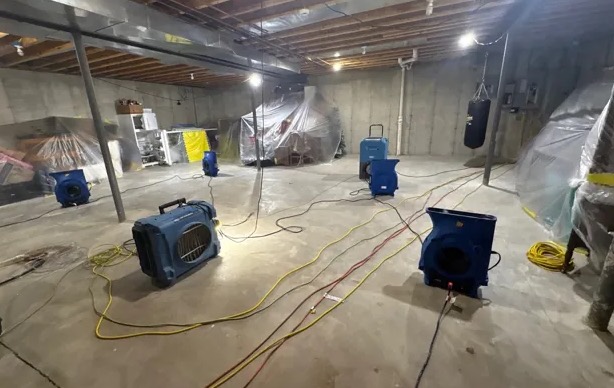
Dehumidification is the slow but necessary part of basement water removal in Belton. Pumps remove standing water quickly, but walls and concrete keep releasing moisture for days.
In Belton, when a basement or below-grade room takes on water, it usually follows heavy rain, a sewer backup or a burst pipe. Local basement water removal pros serve Belton, Raymore, Grandview and Stilwell, pumping water out and drying the space.
Comprehensive Basement Water Removal Solutions
Basement Wall Drying
Basement walls are checked with moisture meters. Wet drywall is cut back above the water line, and insulation behind it is removed.
Basement Moisture Inspection
An inspection shows how high water wicked up the walls and how far it spread under flooring, which sets the drying plan.
Basement Dehumidification
Large dehumidifiers pull moisture from basement air, which lets walls, framing and the slab release the water they absorbed.
Basement Water Pump Out
A pump-out removes standing water from the basement with submersible pumps, discharging it outside and away from the foundation.
Sump Pump Failure Water Cleanup
Cleanup after a sump failure includes drying the area around the pit and noting whether the pump, switch or power was the cause.
Indicators You Need Professional Water Removal
Wet or Damp Basement Walls
Basement walls that look dark, feel damp or show tide lines are taking on or holding water.
Water Stains on Walls or Ceiling
Stains on lower walls or the ceiling below a bathroom or kitchen point to a leak.
Gurgling Sounds From Drains
Gurgling floor drains or slow drains can be an early sign of a sewer line problem.
High Humidity and Condensation
Water on pipes and windows, or a constantly clammy feel, means basement humidity is too high.
How Basement Water Removal Works in Belton
Step 1: Emergency Water Extraction
Power is made safe, then pumps and extractors remove standing water from the basement floor.
Step 2: Detailed Moisture Inspection
Meters map wet walls, framing and slab areas, including behind finished walls and under flooring.
Step 3: Drying and Dehumidification
Air movers and large dehumidifiers run continuously, with readings checked every day.
Step 4: Final Verification and Monitoring
Readings are compared to dry areas, and equipment is removed only when the basement tests dry.
Common Causes of Basement Flooding in Belton
Sewer Line Backups and Blockages
A blocked sewer line can push wastewater up through basement floor drains and toilets.
Heavy Rainfall and Storm Flooding
Heavy rain saturates the soil and pushes water through walls, cracks and the floor joint.
Appliance Malfunctions and Overflows
Washers, utility sinks and water softeners in the basement can overflow or leak.
Plumbing Leaks or Pipe Bursts
Supply lines, drain pipes and water heaters in the basement can leak or burst onto the floor.
Basement Water Removal for Homes and Businesses
Residential Basement Water Removal
Older homes with a basement may see seepage with every heavy storm. Water removal handles the current damage, and the entry point is noted for a waterproofing contractor.
Commercial Basement Water Removal
Multi-unit buildings with shared basements need each storage and laundry area pumped, dried and documented for the property manager.
When to Hire Local Pros for Basement Water Removal
Checking appliance hoses and extending downspouts away from the house are good DIY steps before storm season. Once the basement floods, call (816) 355-6039 for help.
What Influences the Price of Basement Water Removal
Sewage cleanup, finished walls, after-hours calls and damaged appliances all add to the total for basement water removal in Belton.
Drying Time Required
Basements dry slowly, and each extra day of equipment adds to the total.
Water Depth and Volume
Deeper water takes more pumping time and usually means more materials got wet.
Basement Square Footage
Larger basements need more extraction, more drying equipment and more days of drying.
Does Insurance Cover Basement Water Removal?
Coverage for basement water removal depends on the water source and your policy. The pros document the damage and drying, and your insurer decides what is covered.
Why Belton Homeowners Trust Local Pros for Basement Water Removal
Moisture Inspection
Meters and thermal cameras find water in walls, floors and slab that looks dry.
Detailed Damage Documentation
Photos, readings and drying logs are kept to support your insurance claim.
Focus on Drying Outcomes
Drying continues until readings are normal, not just until surfaces look dry.
24/7 Basement Water Removal When You Need It
If water is near outlets, the furnace or the electrical panel, stay out of it. Call (816) 355-6039 for help in Belton and wait for power to be made safe.
Call Now (816) 355-6039Communities Served for Basement Water Removal
Besides Belton, local basement water removal pros handle basement pump-outs, wall drying and dehumidification in nearby Raymore, Grandview and Stilwell.
- Basement Water Removal in Raymore
- Basement Water Removal in Grandview
- Basement Water Removal in Stilwell
- Basement Water Removal in Peculiar
- Basement Water Removal in Greenwood
- Basement Water Removal in Bucyrus
- Basement Water Removal in Leawood
- Basement Water Removal in Overland Park
- Emergency Damage Restoration in 64012
- Storm Damage Restoration in 64012
- Water Damage Restoration in 64012
- Water Extraction Service in 64012
- Water Leak Detection in 64012
- Water Removal Service in 64012
Basement Water Removal FAQs
How long does basement drying take?
Often several days or longer, because concrete and cool basement air hold moisture. Daily readings show when it is done.
Why is fast water removal so important for basements?
Basements dry slowly, so every hour of standing water adds drying days and more materials to replace.
What causes basement floor water damage?
Storm seepage, burst pipes, appliance leaks, foundation cracks and sewer backups through floor drains are the usual sources.
Why is basement dehumidification important after pumping?
Walls and concrete keep releasing moisture for days. Dehumidifiers remove it so the basement does not stay damp.
Can wet drywall in a basement be saved?
Sometimes, if the water was clean and removed quickly. Soaked or contaminated drywall is cut out above the water line.