Louisburg, KS · Miami County
AC Unit Water Removal in Louisburg, KSEmergency AC Water Removal & Wet AC Unit Component Drying
Get AC unit water removal in Louisburg: AC leak water extraction, wet AC unit component drying and air conditioner restoration services.
Answered 24/7
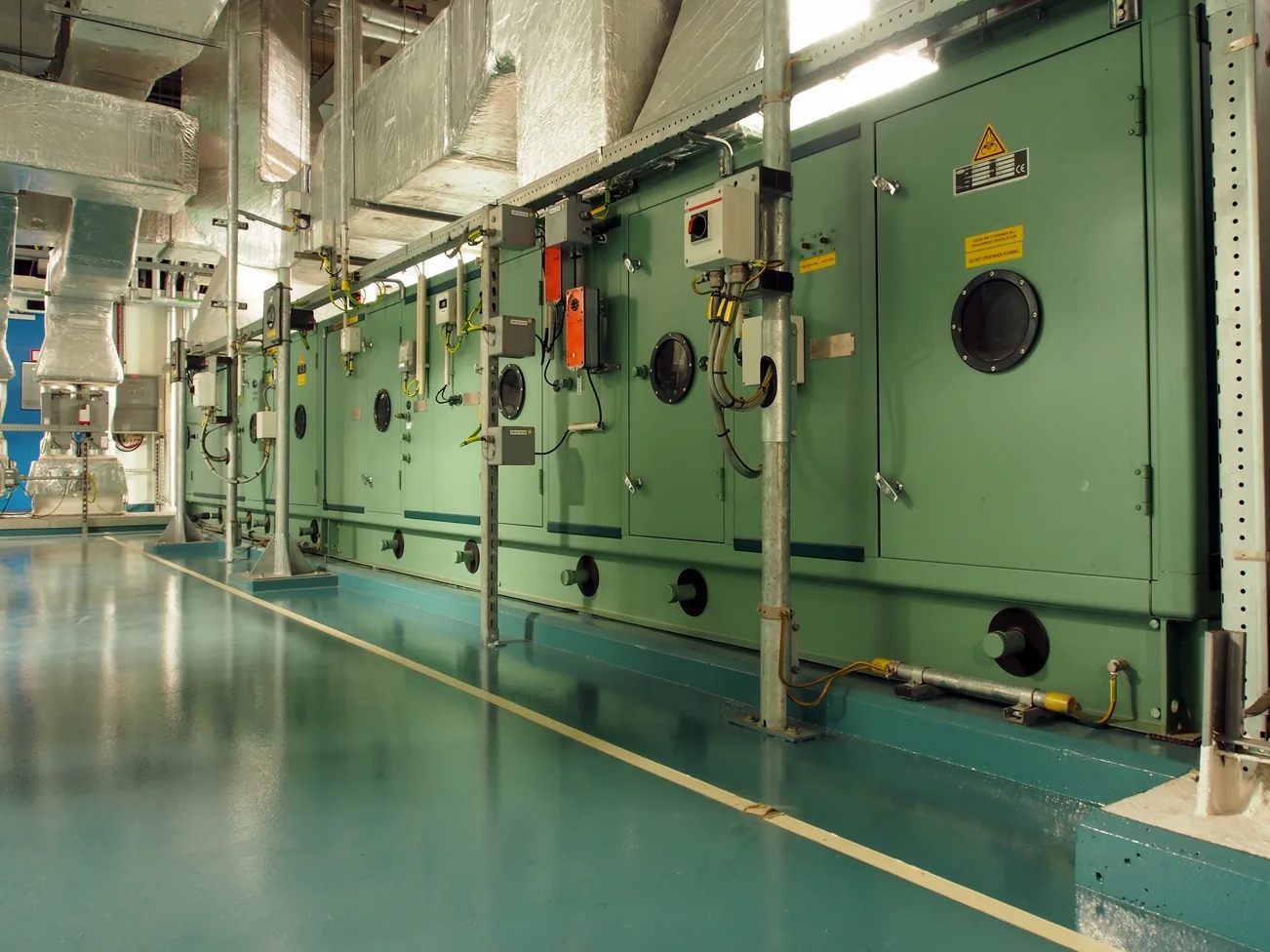
Expert AC Unit Water Removal for Louisburg Homes
AC Unit Water Removal in Louisburg covers the whole leak, from removing standing water to drying wet materials and repairing drywall or trim afterward. Each step depends on how far the water traveled and how long it sat.
In Louisburg, AC leaks usually show up as ceiling stains under attic units, wet carpet near the furnace closet or water dripping from a vent. Help with AC unit water removal is available across Louisburg and in Bucyrus, Hillsdale and Stilwell, day or night, with extraction, drain clearing and drying.
Detailed AC Unit Water Removal Offerings for Louisburg
Emergency AC Water Removal
Fast extraction limits how far the water travels into framing and insulation, and lets drying equipment go in sooner.
Wet AC Unit Component Drying
Wet blower motors, panels and wiring are dried with gentle airflow and dehumidifiers rather than direct heat, which lowers the risk of corrosion and shorts.
AC Leak Mold Prevention
Once materials are dry, an EPA-registered antimicrobial can be applied to wet wood and drywall near the unit to slow microbial growth.
Air Conditioner Restoration Services
Restoration covers the repairs left after a leak: cut-out drywall, stained ceilings, swollen baseboards and soaked insulation.
AC Leak Water Cleanup
Water from an overflowing air handler is extracted from the floor, closet or mechanical room, then nearby walls are checked with a moisture meter.
Indicators for Emergency AC Unit Water Removal
Visible Mold Near AC
Dark spots on drywall or framing near the unit mean the area has stayed wet for days.
Wet AC Unit Components
Damp coils, a wet blower compartment or moisture around wiring inside the cabinet mean water is collecting where it should not.
Water on the Floor
A puddle around the air handler or furnace closet is the most direct sign of a leak.
AC System Shuts Off
Many units have a float switch that shuts the system off when the pan fills. If the AC stops cooling, check the pan.
How AC Unit Water Removal Works in Louisburg
Step 1: AC Leak Water Cleanup
Pooled water is removed from around the air handler and from any rooms or ceilings the leak reached.
Step 2: AC Drain Pan Water Extraction
The primary and secondary pans are emptied and checked for cracks, rust holes or a stuck float switch.
Step 3: Component and Structure Drying
Wet panels, framing and subfloor are dried with targeted airflow and dehumidifiers until readings are normal.
Step 4: Documentation and Prevention
Photos and readings are recorded for insurance, and simple drain upkeep tips are shared to prevent a repeat.
Frequent Sources of AC Water Damage
Damaged AC Drain Pan
Metal pans rust through and plastic pans crack with age, letting water drip straight through.
Clogged AC Condensation Line
Algae and sludge build up in the drain line over a cooling season until water backs up into the pan.
Frozen Evaporator Coils Thawing
A coil that freezes from low airflow sheds a large amount of water at once when it thaws.
Age and Component Wear
Older units have worn fittings, brittle seals and corroded pans that start leaking together.
Both Residential & Commercial AC Unit Water Removal in Louisburg
Residential AC Unit Water Removal
In a home, an AC leak usually hits a hallway ceiling, a closet floor or the carpet near the air handler. Water removal and drying start there, followed by drywall repair if needed.
Commercial AC Unit Water Removal
In offices and stores, a leaking rooftop or ceiling unit drips onto desks, stock and floors and creates slip hazards. Work can be scheduled around business hours where possible.
AC Unit Water Removal vs. DIY: When to Call the Pros
A wet vac on the condensate line outlet clears many simple clogs. If the ceiling below an attic unit is stained or sagging, stay out from under it and call (816) 355-6039 instead of poking holes in it.
Understanding AC Unit Water Removal Pricing in Louisburg
In Louisburg, most of the cost comes from extraction, equipment days and any drywall or insulation that has to be replaced. A walk-through sets the scope before work starts.
Secondary Damage Presence
Wet ceilings, swollen baseboards or damp framing add removal and repair work to the job.
System Restoration Complexity
Replacing drywall, insulation or trim after drying adds material and labor to the total.
Preventative Treatment Scope
Antimicrobial treatment is an optional step, priced by the size of the area treated.
Does Insurance Cover AC Unit Water Removal?
Coverage for AC unit water removal varies from policy to policy. The pros document the damage and the drying, but your insurer decides what is covered and what is not, so ask early in the claim.
Reasons to Select Local Pros in Louisburg for AC Unit Water Removal
Clear Process Communication
Each step is explained before work starts, so you know what is being removed and why.
Preventative Microbial Treatment
Optional antimicrobial treatment can be applied to wood and drywall that stayed wet for days.
24/7 Emergency Response
Help is available any hour, which matters when an attic unit starts leaking into a ceiling at night.
Round-the-Clock Emergency AC Unit Water Removal in Louisburg
Do not wait for a stained ceiling to start sagging under the weight of the water. Call (816) 355-6039 now for AC unit water removal in Louisburg and get the drying started.
Call Now (816) 355-6039AC Unit Water Removal Throughout Louisburg and Beyond
Help with AC unit water removal reaches Bucyrus, Hillsdale and Stilwell, plus other communities around Louisburg, for houses, apartments and commercial buildings with leaking AC units.
- AC Unit Water Removal in Bucyrus
- AC Unit Water Removal in Hillsdale
- AC Unit Water Removal in Stilwell
- AC Unit Water Removal in Drexel
- AC Unit Water Removal in Paola
- AC Unit Water Removal in Spring Hill
- AC Unit Water Removal in Peculiar
- AC Unit Water Removal in Belton
- Emergency Damage Restoration in 66053
- Storm Damage Restoration in 66053
- Water Damage Restoration in 66053
- Water Extraction Service in 66053
- Water Leak Detection in 66053
- Water Removal Service in 66053
Your AC Unit Water Removal Questions Addressed
Does homeowners insurance cover water damage from an HVAC unit?
Sudden leaks are often covered, but slow leaks and the unit itself usually are not. Check your policy.
How quickly should I deal with an AC leak?
Right away. Water that sits for more than a day or two soaks into drywall and insulation and raises the risk of microbial growth.
What clogs an AC condensate line?
Algae, sludge, dust and debris build up inside the line, especially over long cooling seasons, until water backs up into the pan.
Why does the drain pan need to be emptied?
A full pan overflows into ceilings and floors. Emptying and inspecting it stops the spill and shows whether the pan is cracked.
How long does drying take after an AC leak?
Often several days, depending on the materials and how long they were wet. Daily readings track progress.