ZIP 66047 · Lawrence, KS · Douglas County
Water Damage Restoration in 66047Mold Prevention After Water Damage & Sewage Cleanup
For Water Damage Restoration in Lawrence, services like water removal, structural drying, and flood cleanup are critical.
Answered 24/7
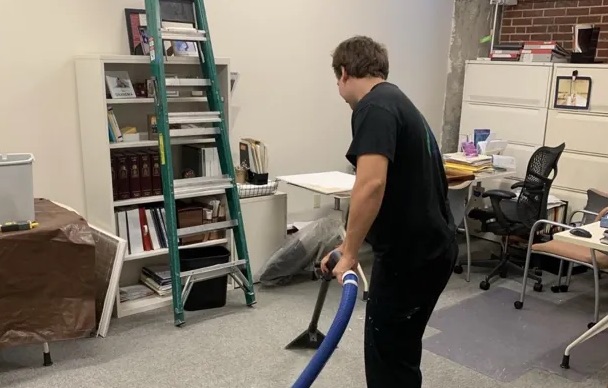
Water Damage Restoration Response in Douglas County
In Lawrence, water from leaks or floods needs fast attention to avoid costly repairs and health hazards. Local water extraction experts extract the water and dry the structure in a controlled way.
In Lawrence and nearby Eudora, Linwood and Tonganoxie, the pros extract water and dry the structure to industry standards after leaks and floods, before swelling, odor and mold set in.
Core Water Damage Restoration Methods Used in 66047
Mold Prevention After Water Damage
If mold is found during water cleanup, the affected area is contained and noted so it can be handled separately.
Sewage Cleanup
A sewage spill is a biohazard. The experts in Lawrence remove the contaminated water, disinfect and clear the odor with the right protective gear.
Flood Cleanup
Flood water can carry contaminants. The pros in Lawrence remove ruined materials, extract the water and apply antimicrobial treatment.
Storm Damage Repair
After a storm, roof openings are covered and wet drywall and flooring are dried or replaced.
Water Removal
Powerful extractors pull bulk water from carpets and hard flooring. This initial removal in Lawrence is a necessary step before structural drying can begin.
When to Call for Water Damage Restoration in 66047
High Indoor Humidity Levels
A consistently sticky, humid feeling indoors can indicate poor drying. Professionals use tools to measure and correct moisture levels.
Visible Mold Patches
Any visible mold, especially after a leak, means moisture has stayed long enough for spores to grow.
Wet or Damp Attic Insulation
Damp insulation in the attic loses effectiveness and can rot wood. Attic drying and removal may be necessary for proper repair.
Sagging or Bubbling Drywall
Drywall that swells, sags or bubbles has absorbed a lot of water and needs drying or removal.
How Water Damage Restoration Works in 66047
Step 1: Source Stop and Water Extraction
First, the water source is contained or repaired. Then, experts perform thorough water extraction from all affected surfaces and materials.
Step 2: Air Circulation and Drying
Air movers push air across wet surfaces to speed up evaporation from floors and walls.
Step 3: Antimicrobial Application
After drying, surfaces that stayed wet are treated with an antimicrobial to help keep mold from starting.
Step 4: Repair and Documentation
Any necessary water damage repair is performed to restore the property. Detailed documentation, including photos, is compiled for your insurance provider.
Frequent Sources of Home Water Damage in 66047
Roof Leaks From Storm Damage
Wind-driven rain, hail or fallen debris can break through roofing and let water into the home.
Natural Flooding From Heavy Rain
Heavy rain can overwhelm drainage and send surface water inside through doors and low spots.
Sewer Line Backups or Overflows
Blocked main sewer lines or septic failures can push sewage up into the home through drains.
Foundation Cracks and Seepage
Hydrostatic pressure can push groundwater through foundation cracks into basements. Flooded basement cleanup and exterior waterproofing are typical solutions.
Water Damage Restoration for All Property Types in 66047
Residential Water Damage Restoration
Attic water damage from roof leaks can ruin insulation and decking, affecting energy bills. The pros perform attic drying and may remove wet insulation.
Commercial Water Damage Restoration
Warehouses and plants need heavy-duty water removal over large areas after drainage failures or sprinkler discharges, to protect machinery and storage.
Professional Water Damage Restoration or DIY in 66047?
If a sewage backup occurs, avoid contact and do not flush other toilets. Photograph the damage from a safe distance for insurance. Do not attempt cleaning due to health risks. Sewage cleanup requires safety gear and disinfectants only the experts use.
What Influences Water Damage Restoration Cost in 66047?
Accessibility to the damaged area impacts the price. Water removal from an open basement differs from a confined crawl space, which may require specialized equipment and additional time for the experts.
Affected Materials
Restoration costs vary if water damages drywall, hardwood floors, or custom cabinetry, as each material has different repair or replacement requirements.
Secondary Damage Remediation
Extra work like mold removal or storm repairs adds its own scope and cost.
Area Accessibility
Difficult-to-access areas like crawl spaces or attics may require specialized equipment, increasing the time and cost for the experts to complete the work.
Does Insurance Cover Water Damage Restoration?
Mold cleanup after water damage might be covered if the mold came from a sudden, covered leak. Coverage is often limited, so review your policy.
Benefits of Local Water Extraction Experts for Water Damage Restoration in 66047
Integrated Service Approach
One set of pros handle the job from the first water removal to the final repairs.
IICRC-Standard Methods
The pros follow industry standards for water removal and drying, which helps prevent mold.
Advanced Moisture Detection
Thermal cameras and moisture meters let the experts find hidden water in walls and subfloors so drying is complete.
24/7 Emergency Water Damage Restoration in 66047
Sewer backups and major flooding need fast, safe handling. Call (816) 355-6039 24/7 for the experts to start sewage cleanup or water extraction.
Call Now (816) 355-6039Providing Water Damage Restoration to 66047 and Nearby
In Lawrence and nearby Eudora, Linwood and Tonganoxie, local pros handle everything from sewage backup cleanup to final water damage repairs.
Common Water Damage Restoration Queries Answered
How do restoration pros document water damage for insurance?
Photos and video of the damage, moisture and thermal readings and notes describing the scope of work for the claim file.
What does storm damage restoration involve?
It handles water that wind or rain let in, combining water removal, drying and repairs to the roof or siding.
What is the difference between water removal and structural drying?
Water removal takes out standing water. Structural drying then removes moisture absorbed into drywall and wood with air movers and dehumidifiers.
What should be done immediately after discovering water damage?
If safe, stop the water source if possible. Move valuable items away from water. Then, contact the experts for emergency water extraction.
What are common causes of residential water damage?
Common causes include plumbing failures like burst pipes, appliance leaks from water heaters or washing machines, roof leaks, and flooding from severe weather.