Lake Lotawana, MO · Jackson County
Water Damage Mitigation in Lake Lotawana, MOWater Damaged Drywall Repair & Emergency Water Extraction
Water Damage Mitigation in Lake Lotawana involves emergency water extraction, structural drying services, and wet carpet drying.
Answered 24/7
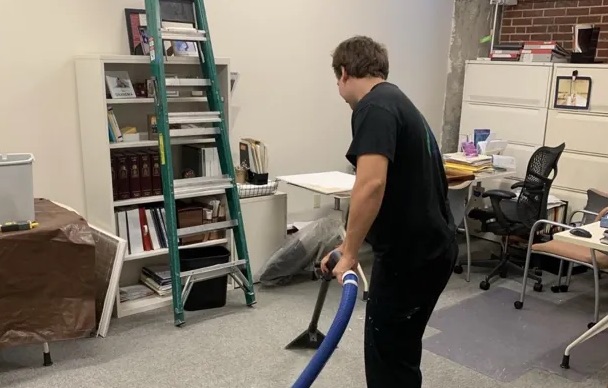
Water Damage Mitigation Solutions in Lake Lotawana, Missouri
Appliance malfunctions, pipe bursts and roof leaks can cause water damage, soaking drywall, carpets and floors. Porous materials absorb moisture fast, so emergency water extraction is needed to stop the spread before mold develops.
In Lake Lotawana and nearby Lone Jack, Blue Springs and Grain Valley, local water extraction experts respond to leaks in homes and dry the structure fully to prevent mold and rot.
The Water Damage Mitigation Process in Lake Lotawana
Water Damaged Drywall Repair
Drywall repair is a common part of water damage mitigation. The experts cut out sagging or stained drywall.
Emergency Water Extraction
The immediate focus for the experts is removing bulk water. Using submersible pumps, they clear flooded areas to stabilize the environment.
Structural Drying Services
Drying the building structure requires specialized equipment and knowledge. The experts establish drying goals based on material types and moisture readings.
Wet Carpet Drying
Saving water-damaged carpets often depends on a fast, professional drying response. The experts lift carpets, extract water from the padding, and use specialized drying techniques.
Mold Prevention After Water
The mitigation goal is a dry, normal condition. The experts in Lake Lotawana understand complete drying prevents mold.
Warning Signs You Need Water Damage Mitigation
Warping or Buckling Floorboards
Wood floors that are warping, cupping, or buckling have likely absorbed significant moisture.
Visible Water Stains on Walls
Discoloration or staining on walls and ceilings is a clear sign of past or ongoing water intrusion.
Mold or Mildew Growth
Black, green or white fuzzy spots on surfaces are usually mold, caused by moisture that has stayed too long.
Swollen Door or Window Frames
Doors and windows that are difficult to open or close may have frames swollen from water.
How Water Damage Mitigation Works in Lake Lotawana
Step 1: First Call and Assessment
The experts perform an initial visual assessment to scope the water damage restoration project.
Step 2: Bulk Water Extraction and Removal
Using submersible pumps and floating extractors, all bulk water is removed from the property.
Step 3: Comprehensive Floor Water Damage Cleanup
Hardwood, laminate, tile and subflooring are each dried in the way that suits them, to keep them from warping or loosening.
Step 4: Completion and Air Quality Check
Once drying goals are met, equipment is removed. The air is checked for excessive humidity, and a final report is provided for your insurance claim regarding the water damage mitigation.
Common Causes of Water Damage in Lake Lotawana
HVAC System Condensation Issues
Faulty condensate drain lines or overflowing drip pans from air conditioners can cause hidden water damage.
Foundation Cracks and Seepage
Cracks in a home's foundation or basement walls permit groundwater intrusion, especially after heavy rain.
Appliance Malfunctions and Leaks
Water heaters, washing machines, dishwashers, and refrigerators can leak or overflow, causing significant floor water damage.
Sprinkler System Malfunctions
Broken sprinkler heads or lines can saturate exterior walls and seep into the structure over time.
Residential and Commercial Water Damage Mitigation in Lake Lotawana
Residential Water Damage Mitigation
In homes, water is extracted from basements, living rooms and crawl spaces. The experts check for hidden moisture so mold does not start in bedrooms or common areas.
Commercial Water Damage Mitigation
In retail stores, pros clean up wet floors and dry merchandise so customers can keep shopping without delays.
Professional Water Damage Mitigation Compared to DIY Cleanup
For a roof leak, set buckets under drips and move furniture out of the way. Do not poke a sagging ceiling to drain it, since it can fall. Then call the experts to remove the water.
Factors Affecting Water Damage Mitigation Cost in Lake Lotawana
The experts in Lake Lotawana consider multiple variables when estimating water damage mitigation cost, including the number of affected rooms and the accessibility for drying equipment setup.
Mold Prevention Steps
Antimicrobial treatment to prevent mold adds a step and some cost to the job.
Access Complexity
Hard-to-reach areas like crawlspaces or tight corners can increase the time and effort required for water extraction and drying.
Required Drying Time
Longer drying means more equipment time and more monitoring visits, which adds cost.
Does Insurance Cover Water Damage Mitigation?
Coverage depends on your policy. Insurers generally cover mitigation needed to prevent more damage after a covered event. Pros in Lake Lotawana record the conditions for your claim.
Reasons to Hire Water Extraction Experts in Lake Lotawana for Water Damage Mitigation
IICRC-Standard Drying Methods
The experts follow industry drying standards to return your property to a safe, dry condition.
Focused Material Repair
Pros also repair common problem areas, like water-damaged drywall and wet carpet.
Mold Prevention Protocols
Antimicrobial treatment and full drying help prevent mold after water damage in your home.
24-Hour Emergency Water Damage Mitigation in Lake Lotawana
For structural drying in Lake Lotawana, call (816) 355-6039 any time of day. The faster drying starts, the less damage there is.
Call Now (816) 355-6039The Water Damage Mitigation Service Area Includes Lake Lotawana
The places below are also served, and each one has its own page.
Common Water Damage Mitigation Questions Answered
What equipment is used for water removal service?
Pros use truck-mounted or portable extractors for water removal, followed by industrial-grade air movers, dehumidifiers, and moisture meters to dry the structure completely.
What is water damage mitigation?
Water damage mitigation is quick action to stop active water flow, remove standing water, and begin drying to prevent further damage and mold growth after a leak or flood.
How is mold prevented after water damage?
Fast extraction, dehumidifiers, full structural drying and sometimes EPA-registered antimicrobial agents on wet surfaces.
What does structural drying involve?
Air movers and dehumidifiers pull moisture out of wood, drywall and concrete until readings are back to normal.
What should I do while I wait for help with a water leak?
If safe, stop the water source at the main valve, remove easily accessible valuables from water, and avoid using electrical appliances in the wet area until it is inspected.