Lansing, KS · Leavenworth County
Water Damage Assessment in Lansing, KSRestoration Scope & Moisture Mapping
Water Damage Assessment in Lansing includes water leak source detection, moisture mapping and documentation, and structural damage inspection.
Answered 24/7
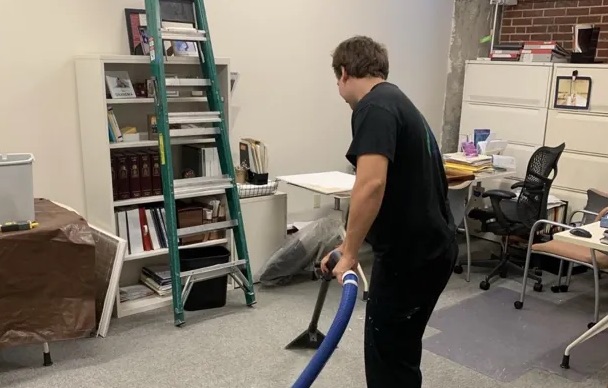
Professional Water Damage Assessment in Lansing, KS
Water damage assessment matters for properties in Lansing because undetected moisture can compromise structural integrity and indoor air quality. Local water damage pros address this using industry-standard methods to pinpoint issues and plan appropriate responses.
In Lansing, an inspection finds where water got in and how far it spread. Local water damage pros check for hidden water and mold risk in homes and businesses, also around Leavenworth, Piper and Basehor.
Water Damage Assessment Methods Used in Lansing
Restoration Scope
The assessment report lays out what happens next, from removing water to final repairs.
Moisture Mapping
Systematic documentation notes the water category, impacted materials, and moisture levels. This baseline report guides the drying protocol and provides evidence for all parties.
Water Leak Source Detection
The pros use thermal cameras and moisture meters to trace hidden leaks. Pinpointing the source stops ongoing damage before drying starts.
Structural Damage Inspection
Long-term moisture deteriorates wood and metal fasteners. The pros examine joists and studs for hidden rot or corrosion during the assessment.
Drying Equipment Plan Development
The right tools are matched to the job. Using moisture mapping data, pros design a drying system for proper evaporation and air circulation.
Indicators of Hidden Water Damage in Lansing
Discolored Walls or Ceilings
Water stains or yellowish patches on walls and ceilings often indicate slow leaks or past flooding that need a professional water damage inspection.
Unexplained Increases in Water Bills
A sudden spike in your water bill with no change in usage is a strong indicator of a hidden leak.
Rust on Pipes or Appliances
Corrosion on metal pipes, water heater tanks, or under sinks can be a symptom of persistent condensation or minor leaks.
Stained or Sagging Insulation
Discolored, damp, or drooping insulation in an attic or crawlspace is a red flag for ongoing water infiltration.
How Water Damage Assessment Works in Lansing
Step 1: Emergency Contact and Leak Containment
The pros respond to your call to first stop active water flow. This initial leak detection services step prevents further flooding and stabilizes the situation for a detailed inspection.
Step 2: Thorough Moisture Mapping and Inspection
Pros use moisture meters and thermal cameras to map all affected areas, including inside walls and under floors.
Step 3: Damage Classification and Scope Outline
The pros determine the water category and class, assessing contamination levels. They then create a restoration scope and estimate outline detailing the necessary repairs and drying protocol.
Step 4: Detailed Reporting and Plan Presentation
You receive a complete water damage report with photos, moisture readings, and findings. The pros review the drying equipment plan and next steps for restoring your property.
Frequent Sources of Property Water Damage in Lansing
Severe Weather and Flooding
Heavy rain and flash floods can overwhelm drainage and push water into a building quickly.
HVAC System Condensation Issues
Clogged drain lines or malfunctioning condensate pumps in air conditioners can cause water to back up and damage ceilings and walls.
Sewer Line Backups and Overflows
Blockages in the main sewer line can force contaminated water back through drains, creating a severe Category 3 water hazard.
Faulty or Aging Building Envelopes
Deteriorated window seals, siding gaps, or degraded caulking allow wind-driven rain to infiltrate the structure over time.
Lansing Water Damage Assessment for Houses, Apartments, and Offices
Residential Water Damage Assessment
Residential assessments often involve checking attics for roof leak damage and bathrooms for failed grout or caulk. The pros develop a targeted drying strategy to protect the home's structure and air quality.
Commercial Water Damage Assessment
In offices and stores, the pros check walls and floors for damage and write a report that helps managers plan repairs with contractors and insurers.
The Risks of Skipping Pro Water Damage Assessment in Lansing
Increasing ventilation by opening windows and running fans can help with mild dampness and odors after a minor spill. This is not sufficient for actual flooding. For thorough moisture mapping and documentation using professional tools, you need the expertise of the pros.
Investment for Water Damage Assessment in Lansing
In Lansing, cost depends on the number of rooms inspected and the moisture mapping equipment needed for the job.
Water Category and Class
Determining if water is clean, gray, or black, along with its evaporation rate, adds complexity to the evaluation.
Mold Inspection Necessity
A concurrent mold growth risk assessment after water damage adds another layer of analysis to the overall service.
Extent of Water Intrusion
The size of the leak and the number of rooms affected set how long the inspection takes.
Does Insurance Cover Water Damage Assessment?
Insurance may cover water leak assessment if the cause is a sudden, accidental event listed in your policy. Specialists perform category and class determination and content evaluation to create a claim file.
Reasons for Pro Water Damage Assessment in Lansing
Structural Integrity Evaluation
The inspection checks building materials for structural damage before any repairs are planned.
Restoration Scope Clarity
A clear outline of the restoration scope and drying equipment plan is provided based on the initial inspection data.
Belongings Assessment
Personal contents and belongings are evaluated for water damage as part of the overall property assessment process.
Emergency Water Damage Inspection in Lansing
After a leak or flood, an early inspection limits damage. Call (816) 355-6039 24/7 to have the source found and the damage recorded.
Call Now (816) 355-6039Local Water Damage Assessment for Lansing and Nearby Communities
For water leak assessment and structural inspection in Lansing, the specialists provide thorough evaluations. Service also extends to surrounding communities including Leavenworth, Piper and Basehor.
- Water Damage Assessment in Leavenworth
- Water Damage Assessment in Piper
- Water Damage Assessment in Basehor
- Water Damage Assessment in Platte City
- Water Damage Assessment in Weatherby Lake
- Water Damage Assessment in Bonner Springs
- Water Damage Assessment in Tonganoxie
- Water Damage Assessment in Edwardsville
- Emergency Damage Restoration in 66043
- Storm Damage Restoration in 66043
- Water Damage Restoration in 66043
- Water Extraction Service in 66043
- Water Leak Detection in 66043
- Water Removal Service in 66043
Your Water Damage Assessment Questions Addressed
How is structural damage from water evaluated?
Structural damage inspection involves checking building materials like drywall, wood, and subfloors for swelling, warping, and loss of integrity using visual and moisture probes.
What should I do while I wait for a water damage inspection?
If safe, turn off the water source at the main valve and move valuable items away from standing water.
Does a water damage assessment check for mold?
Yes, a mold growth risk assessment is a standard part of the evaluation, identifying conditions conducive to mold so preventative steps can be advised.
Is mold inspection after water damage always necessary?
While not always immediately visible, assessing mold risk is a prudent part of the process, as mold can begin growing within 24-48 hours in damp conditions.
What tools are used for hidden water damage detection?
The pros use moisture meters, thermal imaging cameras, and borescopes to locate moisture behind walls and under floors without invasive demolition.