Pleasant Hill, MO · Cass County
Temperature-Controlled Drying in Pleasant Hill, MOHumidity Control For Restoration & Climate-Controlled Drying Systems
In Pleasant Hill, Temperature-Controlled Drying from local temperature-controlled drying specialists covers climate-controlled drying systems, moisture mapping, and drying equipment deployment to dry a structure effectively.
Answered 24/7
Targeted Temperature-Controlled Drying for Properties in Pleasant Hill
In Pleasant Hill, water spreads quickly through wood and concrete. Local pros use controlled heat to drive moisture out of those materials faster.
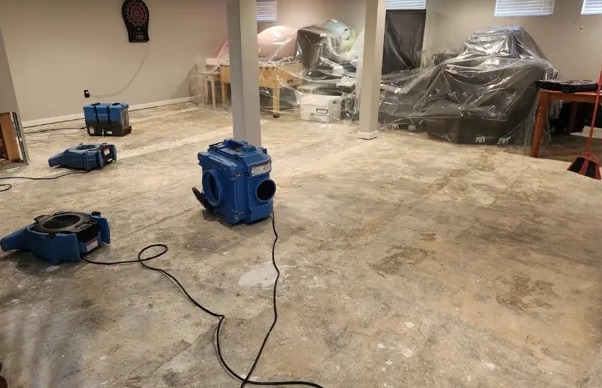
In Pleasant Hill and nearby Greenwood, Lone Jack and Lake Lotawana, local pros take baseline moisture readings, then run air movers and dehumidifiers and log moisture levels as they drop.
Advanced Temperature-Controlled Drying Techniques in Pleasant Hill
Humidity Control for Restoration
Local temperature-controlled drying specialists run dehumidifiers to pull water vapor out of the air, which draws more moisture out of wet surfaces and prevents secondary damage.
Climate-Controlled Drying Systems
The specialists set up systems that control temperature, humidity and airflow together, adjusting them as moisture readings change.
Water Damage Drying Logs
The specialists compile drying logs with moisture maps, photos, and readings. This report documents the system's performance and the materials' response, demonstrating a professional approach.
Rapid Structural Drying Services
Rapid drying mitigates risk of long-term weaknesses or rot in wooden structures. The specialists use specialized techniques like injecting dry air into wall cavities.
Air Mover Placement for Drying
The tactical setup of air-moving equipment establishes cross-flow or focus drying patterns. The specialists adjust the strategy daily based on monitoring data, repositioning units.
Signs You Need Professional Temperature-Controlled Drying in Pleasant Hill
Damp Odors Persisting After Water
A musty smell lingers even after visible water is gone, indicating hidden moisture. That odor often signals mold or trapped dampness.
Visible Mold Growth in Corners
Black, green or white specks in damp corners or on baseboards are usually mold, which means moisture has been there a while.
Equipment Running With No Result
Fans or dehumidifiers that run for days without drying the area mean the moisture is deeper than household equipment can reach.
Moisture Meter Shows High Readings
A moisture meter reading high inside walls or floors means drying is not finished.
How Temperature-Controlled Drying Works in Pleasant Hill
Step 1: Assessment and Moisture Detection
The pros perform a thorough assessment using thermal imaging and moisture meters. This identifies the full extent of damage, guiding the drying plan.
Step 2: Containment and Airflow Strategy
Plastic barriers close off the wet area so humidity can be controlled, and air movers are placed to move air across wet materials.
Step 3: Thermal Drying System Activation
Specialized thermal drying equipment is activated to gently raise the air temperature in the space.
Step 4: Verification and Structural Drying Completion
Readings are compared with dry areas of the building to confirm drying is complete.
Causes of Persistent Dampness Requiring Controlled Drying in Pleasant Hill
HVAC System Condensation Issues
A clogged condensate drain line causes an overflow inside the air handler. This water can soak insulation and ductwork, creating a hidden moisture issue.
Overflowing Sinks or Bathtubs
A simple blockage or forgetfulness leads to an overflow event. Water spreads quickly, soaking cabinetry and flooring, and requires thorough drying equipment deployment.
Inadequate Initial Water Extraction
Water left behind after a leak or flood moves into subfloors and walls, where it is harder to dry.
Undetected Plumbing Leaks
A slow drip behind a wall or under a slab saturates materials over time.
Whole-Property Temperature-Controlled Drying in Pleasant Hill
Residential Temperature-Controlled Drying
At home, the pros dry wall cavities, subfloors and belongings with air movers and dehumidifiers, and keep drying logs for your insurance review.
Commercial Temperature-Controlled Drying
For businesses, rapid drying minimizes downtime and protects inventory, equipment, and building integrity. Large-scale drying systems are implemented to address moisture in offices, retail spaces, and warehouses.
Temperature-Controlled Drying vs. DIY Drying in Pleasant Hill
Ventilating the area by opening windows can help if outdoor humidity is lower than indoors, but this is rarely controlled or sufficient. You can create a list of damaged items for a potential insurance claim.
Factors in Temperature-Controlled Drying Pricing for Pleasant Hill, MO
In Pleasant Hill, the main price factors are how long drying takes and which equipment, such as heaters or desiccants, is used.
Drying Time Required
Longer drying periods for climate-controlled systems mean more equipment runtime and monitoring, impacting the overall cost of the restoration project.
Documentation Requirements
Detailed drying logs and moisture reports for insurance take extra time to prepare.
Extent of Water Damage
The larger the area that needs drying, the more equipment and labor the job takes.
Does Insurance Cover Temperature-Controlled Drying?
Many homeowner policies cover temperature-controlled drying when it stems from a sudden, covered peril like a burst pipe. The specialists document all damage with photos and moisture readings for your claim submission.
Why Choose Local Specialists for Temperature-Controlled Drying in Pleasant Hill
IICRC-Standard Drying Methods
Drying follows industry guidelines and is checked with meters, which keeps framing and floors from staying wet.
Targeted Thermal Drying
Applying directed heat energy safely accelerates the drying of dense materials, reducing the overall timeline for the restoration project.
24/7 Emergency Response
Quick action is critical to limit secondary damage, and the pros are available around the clock to begin the drying process.
24/7 Temperature-Controlled Drying for Emergencies in Pleasant Hill
Stop water damage from getting worse while materials sit wet. Call (816) 355-6039 24/7 for drying help from the pros in Pleasant Hill.
Call Now (816) 355-6039Temperature-Controlled Drying Serving Pleasant Hill and Nearby Areas
Temperature-controlled drying is available for homes and businesses in Pleasant Hill and nearby areas like Greenwood, Lone Jack and Lake Lotawana.
- Temperature-Controlled Drying in Greenwood
- Temperature-Controlled Drying in Lone Jack
- Temperature-Controlled Drying in Lake Lotawana
- Temperature-Controlled Drying in Harrisonville
- Temperature-Controlled Drying in Lee's Summit
- Temperature-Controlled Drying in Raymore
- Temperature-Controlled Drying in Peculiar
- Temperature-Controlled Drying in Holden
- Emergency Damage Restoration in 64080
- Storm Damage Restoration in 64080
- Water Damage Restoration in 64080
- Water Extraction Service in 64080
- Water Leak Detection in 64080
- Water Removal Service in 64080
Temperature-Controlled Drying FAQs for Pleasant Hill Property Owners
Can temperature-controlled drying prevent mold growth?
By rapidly removing moisture and controlling humidity, the process creates an environment where mold cannot thrive, significantly reducing the potential for mold.
What materials benefit most from controlled drying systems?
Porous structural materials like drywall, wood framing, and concrete, as well as contents like documents and furniture, benefit greatly from controlled, gradual drying to prevent ruin.
What are water damage drying logs used for?
Drying logs are detailed records of moisture readings, equipment settings, and progress; they provide documentation for the restoration process and are often required for insurance claims.
Can rapid drying technology dry a property too quickly?
Yes, excessive heat or airflow can cause surface crusting, cracking, or other material stress, which is why professional drying balances speed with material-specific safety limits.
How long does the temperature-controlled drying process take?
It depends on the damage, the materials and the conditions. Pros monitor readings and stop when moisture goals are met.