Lane, KS · Franklin County
Temperature-Controlled Drying in Lane, KSHumidity Control For Restoration & Water Damage Drying Logs
Local temperature-controlled drying specialists provide Temperature-Controlled Drying in Lane, featuring drying equipment deployment, water damage drying logs, and moisture mapping for precise water damage recovery.
Answered 24/7
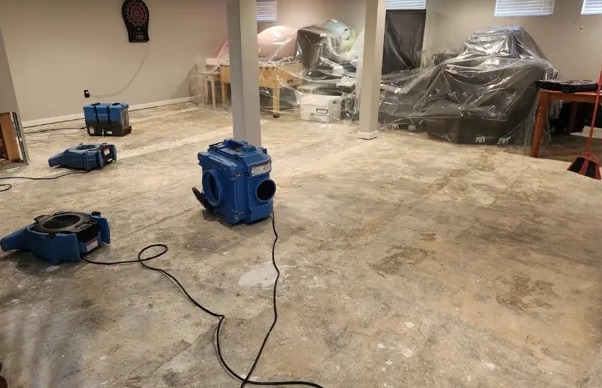
Expert Temperature-Controlled Drying Services in Lane, Kansas
In Lane, water trapped in subfloors, wall cavities or behind cabinets dries slowly because the air there does not move.
In Lane and nearby Rantoul, Osawatomie and Princeton, fast structural drying stops mold before it starts. Local pros map moisture, then use LGR dehumidifiers and planned air mover placement until readings are normal.
Temperature-Controlled Drying Services in Lane
Humidity Control for Restoration
Dehumidifiers lower the dew point in the affected area, so materials give up their moisture more easily.
Water Damage Drying Logs
Key data like psychrometric readings and material moisture content are meticulously recorded. These logs show a clear trend toward dryness, confirming the job's success.
Air Mover Placement for Drying
Local temperature-controlled drying specialists angle and space air movers in each room in Lane so air flows evenly across every wet surface.
Drying Equipment Deployment
The specialists set up LGR dehumidifiers, axial fans and cavity drying systems to work together on the wet structure.
Climate-Controlled Drying Systems
Dehumidifiers and air movers keep the air in a contained space warm and dry, so moisture moves out of materials faster.
When to Call for Temperature-Controlled Drying in Lane, KS
High Humidity Readings Inside
A hygrometer showing unusually high indoor humidity after water damage means the building is still wet.
Cracking of Plaster or Joints
Plaster or drywall joint tape develops new cracks or fissures. These cracks occur as wet materials swell and then contract during drying.
Discoloration on Drywall or Ceilings
Yellow or brown water stains appear on surfaces that seem dry. These stains suggest moisture is still present inside the wall cavity.
Cold, Damp Feeling in a Room
A room feels noticeably colder and damper than the rest of the house. This sensation is often due to evaporative cooling from wet materials.
How Temperature-Controlled Drying Works in Lane
Step 1: Initial Moisture Survey and Readings
Pros take baseline moisture readings across the property to plan the drying.
Step 2: Precision Air Mover Placement
Air movers are placed at set angles and distances to target specific wet materials.
Step 3: Deployment of Drying Systems
Dehumidifiers are sized to the moisture load and the size of the space.
Step 4: Ongoing Monitoring and Adjustment
Equipment is moved and adjusted as materials dry, so drying keeps moving.
What Leads to Needing Temperature-Controlled Drying in Lane
Foundation Cracks and Seepage
Hydrostatic pressure forces groundwater through cracks in the foundation wall. This seepage creates a constant dampness that challenges standard drying technology.
Inadequate Initial Water Extraction
Water left behind after a leak or flood moves into subfloors and walls, where it is harder to dry.
Undetected Plumbing Leaks
A slow drip behind a wall or under a slab saturates materials over time.
Appliance Malfunction or Overflow
A failed washing machine hose, water heater or dishwasher can release many gallons onto the floor.
Temperature-Controlled Drying for All Property Types in Lane
Residential Temperature-Controlled Drying
Homeowners benefit from structural drying that prevents mold and preserves structural elements like wood framing and drywall. The experts set up targeted drying arrays to address specific home layouts and materials.
Commercial Temperature-Controlled Drying
For commercial properties, pros run industrial dehumidifiers and air movers to control humidity in large spaces and monitor moisture until the building is dry.
Temperature-Controlled Drying: DIY Risks vs. Professional Care in Lane
Moisture from a leak may seem surface-dry, but it often remains deep within materials. You can use a moisture meter from a hardware store to check for obvious dampness in drywall or wood. Interpreting these readings and executing the rapid drying needed to prevent mold requires the expertise and commercial-grade equipment of the specialists in Lane.
Investing in Professional Temperature-Controlled Drying in Lane
The specialists in Lane base cost on the extent of the water damage, the humidity control needed and how long monitoring runs.
Equipment Needs
The number and type of air movers, dehumidifiers and heaters used affect the cost.
Drying Time Required
Longer drying periods for climate-controlled systems mean more equipment runtime and monitoring, impacting the overall cost of the restoration project.
Humidity Control Measures
Controlling humidity in tight spaces often takes specialized drying equipment and frequent adjustments.
Does Insurance Cover Temperature-Controlled Drying?
The specialists keep moisture readings and drying logs to support a claim. Policies differ, so verify coverage with your insurance representative.
Selecting Local Specialists for Temperature-Controlled Drying in Lane
Comprehensive Drying Logs
Detailed, chronological logs of moisture readings and equipment settings provide a transparent record of the entire temperature-controlled drying process.
24/7 Emergency Response
Quick action is critical to limit secondary damage, and local pros are available around the clock to begin the drying process.
Targeted Thermal Drying
Applying directed heat energy safely accelerates the drying of dense materials, reducing the overall timeline for the restoration project.
24/7 Temperature-Controlled Drying for Emergencies in Lane
Stop water damage from getting worse while materials sit wet. Call (816) 355-6039 24/7 for drying help from the pros in Lane.
Call Now (816) 355-6039Temperature-Controlled Drying Near Lane: Communities Served
Temperature-controlled drying is available for homes and businesses in Lane and nearby areas like Rantoul, Osawatomie and Princeton.
- Temperature-Controlled Drying in Rantoul
- Temperature-Controlled Drying in Osawatomie
- Temperature-Controlled Drying in Princeton
- Temperature-Controlled Drying in Fontana
- Temperature-Controlled Drying in Paola
- Temperature-Controlled Drying in Ottawa
- Temperature-Controlled Drying in Williamsburg
- Temperature-Controlled Drying in Wellsville
- Emergency Damage Restoration in 66042
- Storm Damage Restoration in 66042
- Water Damage Restoration in 66042
- Water Extraction Service in 66042
- Water Leak Detection in 66042
- Water Removal Service in 66042
Temperature-Controlled Drying FAQs for Lane Property Owners
Can temperature-controlled drying prevent mold growth?
By rapidly removing moisture and controlling humidity, the process creates an environment where mold cannot thrive, significantly reducing the potential for mold.
What are the benefits of rapid structural drying services?
Rapid structural drying minimizes the time materials are wet, reducing the risk of swelling, warping, and secondary damage like mold, which helps preserve property value.
What should a property owner do while waiting for help with drying?
If safe, remove obvious standing water with a mop or towels, move dry contents away from the wet area, and avoid using household fans which can spread contaminants.
What is temperature-controlled drying?
It is a drying method that controls heat and humidity together to remove moisture from building materials and contents safely and quickly.
Why is moisture mapping important for drying?
Sensors measure moisture across the affected area to show exactly where it is wet, so equipment is aimed at the right spots.