Clinton, MO · Henry County
Temperature-Controlled Drying in Clinton, MOThermal Drying For Water Damage & Air Mover Placement For Drying
For Temperature-Controlled Drying in Clinton, local temperature-controlled drying specialists handle thermal drying for water damage, humidity control for restoration, and drying equipment deployment to prevent mold.
Answered 24/7
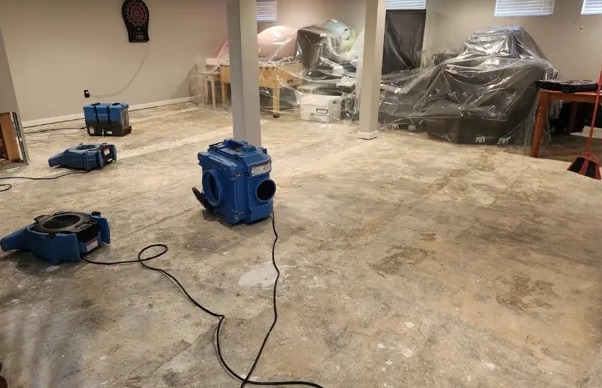
Professional Temperature-Controlled Drying in Clinton, MO
In Clinton, moisture left in a structure can cause odors and draw pests. The pros map the damage with infrared cameras and sensors before setting up drying.
In Clinton and nearby Appleton City and Holden, fast structural drying stops mold before it starts. Local pros map moisture, then use LGR dehumidifiers and planned air mover placement until readings are normal.
Specialized Temperature-Controlled Drying Offerings in Clinton, MO
Thermal Drying for Water Damage
Controlled heat speeds up drying of wet materials in Clinton, which helps prevent swelling wood and failed flooring adhesive.
Air Mover Placement for Drying
Local temperature-controlled drying specialists plan placement around furniture and walls, and may build air dams or blow air into cavities to cut drying time in Clinton homes.
Water Damage Drying Logs
The specialists compile drying logs with moisture maps, photos, and readings. This report documents the system's performance and the materials' response, demonstrating a professional approach.
Moisture Mapping
The specialists take regular moisture readings throughout the project. This monitoring verifies equipment performance and guides strategy adjustments.
Humidity Control for Restoration
The specialists keep humidity low in properties in Clinton, so water evaporates from materials instead of soaking back in.
Indicators for Temperature-Controlled Drying in Clinton Properties
Equipment Running With No Result
Fans or dehumidifiers that run for days without drying the area mean the moisture is deeper than household equipment can reach.
Visible Mold Growth in Corners
Black, green or white specks in damp corners or on baseboards are usually mold, which means moisture has been there a while.
Warping of Wood Floors or Trim
Floorboards begin to cup, buckle, or separate at the seams. This warping is a direct result of excessive, uneven moisture content.
Damp Odors Persisting After Water
A musty smell lingers even after visible water is gone, indicating hidden moisture. That odor often signals mold or trapped dampness.
How Temperature-Controlled Drying Works in Clinton
Step 1: Initial Moisture Survey and Readings
Pros take baseline moisture readings across the property to plan the drying.
Step 2: Precision Air Mover Placement
Air movers are placed at set angles and distances to target specific wet materials.
Step 3: Deployment of Drying Systems
Dehumidifiers are sized to the moisture load and the size of the space.
Step 4: Ongoing Monitoring and Adjustment
Equipment is moved and adjusted as materials dry, so drying keeps moving.
Causes of Persistent Dampness Requiring Controlled Drying in Clinton
Overflowing Sinks or Bathtubs
A simple blockage or forgetfulness leads to an overflow event. Water spreads quickly, soaking cabinetry and flooring, and requires thorough drying equipment deployment.
Storm-Driven Water Intrusion
Heavy rain overflows gutters or gets in around windows and soaks framing and insulation.
Foundation Cracks and Seepage
Hydrostatic pressure forces groundwater through cracks in the foundation wall. This seepage creates a constant dampness that challenges standard drying technology.
Sprinkler System Activation
A fire sprinkler discharges, releasing a large volume of water quickly. This event saturates entire areas and requires precise air mover placement and strategy.
Temperature-Controlled Drying for Homes and Businesses in Clinton
Residential Temperature-Controlled Drying
At home, the pros dry wall cavities, subfloors and belongings with air movers and dehumidifiers, and keep drying logs for your insurance review.
Commercial Temperature-Controlled Drying
For businesses, rapid drying minimizes downtime and protects inventory, equipment, and building integrity. Large-scale drying systems are implemented to address moisture in offices, retail spaces, and warehouses.
Temperature-Controlled Drying: DIY Risks vs. Professional Care in Clinton
For a small, recent water spill, use towels to blot surface water and improve air circulation with fans. If water soaks into porous materials like drywall or carpet padding, contact the experts.
Factors in Temperature-Controlled Drying Pricing for Clinton, MO
In Clinton, the price depends on the square footage, how long drying runs and which drying systems are used.
Structural Material Types
Porous materials like concrete or dense wood require more aggressive drying strategies and extended monitoring, influencing the project timeline and cost.
Moisture Mapping Complexity
Checking moisture in layered floors or hidden cavities takes more time and equipment.
Equipment Needs
The number and type of air movers, dehumidifiers and heaters used affect the cost.
Does Insurance Cover Temperature-Controlled Drying?
Whether insurance pays for thermal drying for water damage depends on your policy's specific language and the cause of loss. The pros meticulously record moisture levels and drying progress to create a verifiable log for your adjuster.
Advantages of Hiring Local Specialists in Clinton for Temperature-Controlled Drying
Targeted Thermal Drying
Applying directed heat energy safely accelerates the drying of dense materials, reducing the overall timeline for the restoration project.
Advanced Moisture Mapping
Moisture meters and thermal cameras find hidden wet pockets so every affected material is dried.
Comprehensive Drying Logs
Detailed, chronological logs of moisture readings and equipment settings provide a transparent record of the entire temperature-controlled drying process.
Emergency Moisture Control in Clinton
Wet walls and floors keep getting worse until they are dried. Call local pros at (816) 355-6039 to set up drying equipment.
Call Now (816) 355-6039Temperature-Controlled Drying in Clinton and Other Areas Served
Other places served are listed below, each with its own page.
- Temperature-Controlled Drying in Appleton City
- Temperature-Controlled Drying in Holden
- Temperature-Controlled Drying in Warrensburg
- Temperature-Controlled Drying in Knob Noster
- Temperature-Controlled Drying in Butler
- Temperature-Controlled Drying in Adrian
- Temperature-Controlled Drying in Archie
- Temperature-Controlled Drying in Harrisonville
- Emergency Damage Restoration in 64735
- Storm Damage Restoration in 64735
- Water Damage Restoration in 64735
- Water Extraction Service in 64735
- Water Leak Detection in 64735
- Water Removal Service in 64735
Frequently Asked Questions About Temperature-Controlled Drying
What is the difference between air movers and dehumidifiers?
Air movers evaporate moisture from surfaces into the air, and dehumidifiers pull it back out of the air.
Can rapid drying technology dry a property too quickly?
Yes, excessive heat or airflow can cause surface crusting, cracking, or other material stress, which is why professional drying balances speed with material-specific safety limits.
What happens if hidden moisture is not found during mapping?
Undetected moisture can lead to ongoing deterioration, odor issues, and mold growth inside walls or under floors, underscoring the critical need for thorough initial assessment.
What is the strategy behind air mover placement?
They are angled to move air across wet surfaces in a pattern, so moisture evaporates into the air where dehumidifiers can capture it.
What should a property owner do while waiting for help with drying?
If safe, remove obvious standing water with a mop or towels, move dry contents away from the wet area, and avoid using household fans which can spread contaminants.