Marshall, MO · Saline County
Subfloor Water Damage Repair in Marshall, MOSubfloor Leak Source Repair & Water Damaged Subfloor Repair
Subfloor Water Damage Repair in Marshall includes emergency subfloor water removal and subfloor flood damage cleanup to prevent structural issues.
Answered 24/7
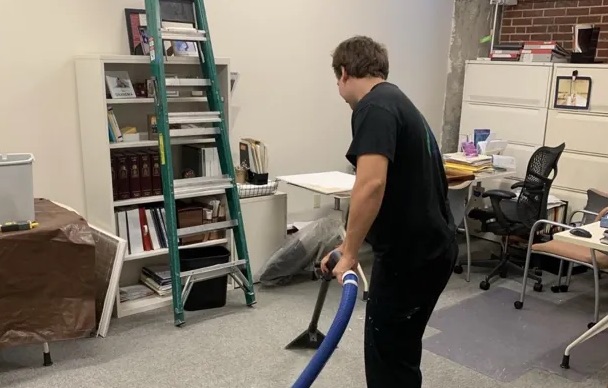
Professional Subfloor Water Damage Repair in Marshall, MO
Wet subfloor replacement may be necessary in Marshall when water damage has caused irreversible swelling, decay, or structural weakness. Local water damage pros evaluate whether repair or replacement is the most effective long-term solution.
In Marshall and nearby Slater, Sweet Springs and Concordia, pros dry wet subfloors and replace soft panels to restore a stable floor and protect your indoor air.
Common Subfloor Water Damage Repair Processes
Subfloor Leak Source Repair
A subfloor leak often stems from plumbing. Professionals locate the source, which may require accessing pipes.
Water Damaged Subfloor Repair
After drying, some sections may need replacement. The pros identify areas with broken-down wood fibers or mold.
Subfloor Moisture Inspection
The subfloor moisture inspection provides documentation for your insurance claim. Pros record moisture levels, photos, and thermal images showing the extent of the damage.
Subfloor Flood Damage Cleanup
After a flood, pros remove the standing water under the floor, then dry and sanitize every affected material.
Wet Subfloor Drying
The drying phase often takes days. The pros use penetrating techniques for moisture in the subfloor's core.
When to Consider Subfloor Water Damage Repair
Wet Spots on Flooring
If you notice persistent damp spots on your floor surface, that could indicate water trapped below in the subfloor layer.
Unexplained Pest Activity
Increased ant or termite activity near floors can be attracted to the moist environment of a water damaged subfloor.
Cold Damp Patches on Floor
Localized cold, damp areas underfoot, even when the room is warm, indicate trapped subfloor moisture.
Staining on Ceiling Below
Water stains or drips on the ceiling of a room directly underneath point to a subfloor leak above.
How Subfloor Water Damage Repair Works in Marshall
Step 1: Subfloor Flood Damage Cleanup
Initial action is bulk water removal from a flooded subfloor cavity. The professionals perform subfloor flood damage cleanup, extracting water to reduce weight and structural stress on the building.
Step 2: Strategic Subfloor Drying
Engineered drying systems are deployed to address the specific subfloor type. This wet subfloor drying phase uses calculated air patterns and humidity control to achieve drying goals.
Step 3: Water Damaged Subfloor Repair
Damaged sections of the subfloor are carefully removed and replaced. The water damaged subfloor repair process integrates new, dry materials that match the original structure's strength and specifications.
Step 4: Final Verification & Documentation
Post-repair, moisture readings confirm the subfloor is dry. The pros document the entire process with photos and data for your records and any potential insurance claim review.
Common Causes of Subfloor Water Damage
Foundation or Slab Moisture
Groundwater seepage or capillary action through a concrete slab can introduce constant moisture to the subfloor above.
Sink or Tub Drain Leakage
Leaky drain assemblies or supply connections under sinks and tubs can drip directly through finish materials to the subfloor.
Appliance Overflow or Failure
Malfunctioning dishwashers, washing machines, or water heaters can release large volumes of water that seep into the subfloor.
Ice Maker Line Breaks
A ruptured flexible supply line to a refrigerator ice maker can spray water that flows under adjacent cabinets and flooring.
Residential and Commercial Subfloor Water Damage Repair in Marshall
Residential Subfloor Water Damage Repair
In houses, a slow subfloor leak rots wood and draws pests. Local pros fix the leak and replace only the panels that are too damaged to keep.
Commercial Subfloor Water Damage Repair
Commercial facilities like gyms or labs have unique subfloor vulnerabilities from spills or plumbing. Subfloor water damage cleanup professionals assess the specific risks.
Subfloor Water Damage Repair vs. DIY: When to Call Local Pros
If you discover a minor, fresh spill on a sealed floor, you can safely wipe it up immediately with towels. For any moisture that may have seeped through seams, use a wet-dry vacuum on the surface. However, if the floor feels soft or you suspect water has penetrated, stop and call the pros for a professional assessment to prevent hidden damage.
Factors Affecting Subfloor Water Damage Repair Cost
Subfloor water damage repair cost in Marshall depends on the scale of the affected area and the type of flooring materials present.
Extent of Damage
The square footage of the affected subfloor and depth of saturation are measured to determine the scope of water extraction and drying services needed for repair.
Emergency Response
A 24/7 emergency subfloor water removal call typically involves after-hours service rates due to after-hours mobilization of the specialists.
Mold Prevention
If subfloor mold prevention measures, like antimicrobial treatments, are necessary following water extraction, this adds a step to the overall restoration protocol.
Does Insurance Cover Subfloor Water Damage Repair?
Homeowners insurance may cover subfloor water damage repair if the cause is a sudden, accidental event like a burst pipe. Coverage decisions belong entirely to your insurer, so confirm your policy details and any applicable deductibles for water damage.
Advantages of Local Subfloor Water Damage Repair Experts
Documentation for Claims
Thorough documentation of the damage and repair process is provided, which can be useful when communicating with your insurance company about coverage.
Comprehensive Moisture Inspection
Detailed subfloor moisture inspection using moisture meters and thermal imaging identifies hidden saturation to guide the complete water damage cleanup.
Structural Integrity Assessment
The condition of the subfloor is evaluated during repair to determine if wet subfloor replacement is necessary or if drying will suffice.
Round-the-Clock Subfloor Water Damage Repair Assistance
For water under the floors in Marshall, call (816) 355-6039. Removing it quickly limits damage, odor and mold in the subfloor.
Call Now (816) 355-6039Communities Serviced for Subfloor Water Damage Repair
Other places served are listed below, each with its own page.
- Subfloor Water Damage Repair in Slater
- Subfloor Water Damage Repair in Sweet Springs
- Subfloor Water Damage Repair in Concordia
- Subfloor Water Damage Repair in Carrollton
- Subfloor Water Damage Repair in Higginsville
- Subfloor Water Damage Repair in Knob Noster
- Subfloor Water Damage Repair in Lexington
- Subfloor Water Damage Repair in Warrensburg
- Emergency Damage Restoration in 65340
- Storm Damage Restoration in 65340
- Water Damage Restoration in 65340
- Water Extraction Service in 65340
- Water Leak Detection in 65340
- Water Removal Service in 65340
Frequently Asked Subfloor Water Damage Repair Questions
What is involved in subfloor water extraction?
The process uses pumps and extractors to remove standing water from beneath the flooring, followed by assessment for residual moisture to guide the next drying steps.
Why is subfloor mold prevention important after water damage?
Because dark, damp subfloor cavities are ideal for mold growth, antimicrobial treatments are applied during restoration to inhibit spore colonization and future issues.
What types of subfloor drying equipment are most effective?
High-velocity air movers, LGR or desiccant dehumidifiers and floor drying systems that push dry air under the floor.
What is verified after subfloor drying services are complete?
The professionals verify that moisture readings match dry standard levels in the subfloor and surrounding materials, ensuring the environment is stable for repair or rebuilding.
Does subfloor water damage affect the rest of the house?
Yes, moisture can migrate to walls and other materials, and mold spores from a wet subfloor can spread through the HVAC system, impacting entire living spaces.