Lexington, MO · Lafayette County
Structural Drying Services in Lexington, MOFlooded Room Drying & Wet Drywall Removal
Structural Drying Services in Lexington address ceiling water damage cleanup, wall cavity drying, and commercial building drying.
Answered 24/7
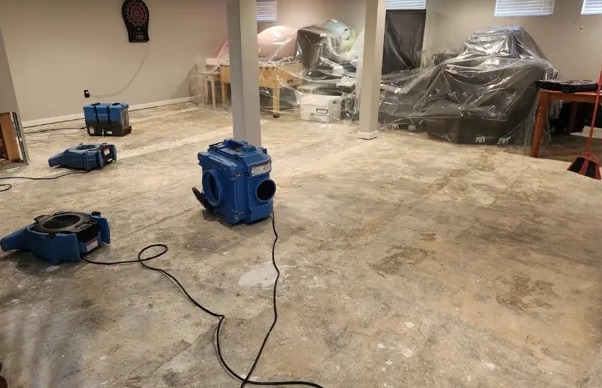
Local Structural Drying Services for Lexington Homes
For homeowners in Lexington, quick action on water intrusion is non-negotiable. Delayed structural drying allows moisture to migrate into hidden wall cavities and subfloor areas, which can escalate repair complexity and expense significantly over time.
In Lexington and nearby Richmond, Higginsville and Odessa, water left in walls and floors weakens the structure. Local water damage pros dry homes and commercial buildings to industry standards, removing wet drywall when needed.
Structural Drying Services Offered in Lexington
Flooded Room Drying
Extracting standing water is the initial step for flooded room drying. Dehumidifiers and air movers are then positioned to draw moisture from materials and the air, a systematic process that helps prevent secondary damage for properties in Lexington.
Wet Drywall Removal
Water-damaged drywall often requires removal to stop hidden problems. The experts cut away the affected panels, ensuring a clean work area for the subsequent drying phase.
Ceiling Water Damage Cleanup
Ceiling damage from leaks requires specific cleanup. Access points may be created to ventilate and dry the cavity, preventing sagging or mold in the ceiling structure.
Wall Cavity Drying
Drying a wall's interior is a technical phase. The experts may use injected air or desiccant systems to reduce cavity humidity.
Subfloor Water Extraction
Pros remove the standing water first, then use drying mats to pull remaining moisture out of the subfloor.
When to Consider Structural Drying Services in Lexington
Spongy Flooring Underfoot
Soft, spongy wood or laminate floors mean water is trapped in the subfloor.
Visible Condensation on Walls
Water beading on walls or windows points to high humidity and possible hidden damage.
Persistent Musty Odors
A lingering earthy smell often means moisture is trapped inside a wall cavity.
Peeling Paint or Bubbling
Paint that blisters or peels means moisture is getting in behind the surface.
How Structural Drying Services Work in Lexington
Step 1: Initial Damage Assessment
The experts assess the extent of water intrusion to plan the precise structural water removal strategy.
Step 2: Moisture Extraction
Extractors pull water from soaked carpet and floors before drying equipment is set up.
Step 3: Controlled Environment Drying
Pros establish a controlled drying environment using dehumidification services and air movers to draw moisture from the building materials.
Step 4: Completion of Building Drying
Drying ends once readings show the walls, floors and framing are as dry as unaffected areas.
Common Causes of Structural Water Damage in Lexington
HVAC System Condensation
Clogged drain pans or faulty condensate lines on air handlers keep nearby areas damp.
Sewer or Drain Backups
A blocked main line can push contaminated water back up through floor drains.
Severe Weather Flooding
Heavy rain and overland flooding can push water into a building through doors and low walls.
Foundation Water Infiltration
Hydrostatic pressure can push groundwater through cracks and wet basement floors and slabs.
Structural Drying Services for Homes & Businesses in Lexington
Residential Structural Drying Services
For homes in Lexington, the pros dry flooded rooms and remove wet drywall. Moisture mapping finds hidden dampness, and industrial dehumidifiers dry the structure.
Commercial Structural Drying Services
For businesses, water from roofs, pipes or sprinklers is extracted and the space is dried with targeted air movers so work can resume sooner.
The Risks of DIY Structural Drying Services in Lexington
You can turn off the main water supply valve to stop the flow from a burst pipe and move lightweight furniture or rugs from the wet area. When water has seeped into wall cavities or under flooring, contact the experts for professional water removal and dehumidification services.
Considerations for Structural Drying Services Expenses in Lexington
The total price depends on how much extraction is needed and on extra steps like moisture mapping and drywall removal.
Emergency Response
Calls after hours, like a burst pipe at night, can cost more.
Extent of Damage
The size of the affected area and depth of water penetration into materials like drywall or subfloor dictate resource needs.
Commercial vs Residential
Commercial jobs are larger, need more equipment and may need work after hours, which changes the cost.
Does Insurance Cover Structural Drying Services?
Many homeowners insurance policies provide coverage for sudden, accidental water damage like from a burst pipe, which often includes structural drying services.
Benefits of Local Water Extraction Experts for Structural Drying Services in Lexington
Advanced Moisture Detection
Moisture meters and infrared cameras find water inside walls and floors that you cannot see.
Material-Specific Protocols
Pros dry each material in the way that suits it and remove only what cannot be saved.
Documentation for Claims
Detailed documentation of moisture levels and damage provides clear evidence to support your communication with your insurance company.
Urgent Structural Drying Services for Lexington Properties
Water damage escalates quickly. For structural drying services after a burst pipe or flood in Lexington, call (816) 355-6039 for help.
Call Now (816) 355-6039Local Structural Drying Services Coverage for Lexington
From wet drywall removal to subfloor drying, pros serve Lexington and nearby Richmond, Higginsville and Odessa.
- Structural Drying Services in Richmond
- Structural Drying Services in Higginsville
- Structural Drying Services in Odessa
- Structural Drying Services in Buckner
- Structural Drying Services in Oak Grove
- Structural Drying Services in Concordia
- Structural Drying Services in Grain Valley
- Structural Drying Services in Excelsior Springs
- Emergency Damage Restoration in 64067
- Storm Damage Restoration in 64067
- Water Damage Restoration in 64067
- Water Extraction Service in 64067
- Water Leak Detection in 64067
- Water Removal Service in 64067
Common Structural Drying Services Questions Answered
What is moisture mapping during structural drying services?
Moisture mapping uses sensors and cameras to create a detailed map of moisture levels within materials, guiding the drying strategy for hidden areas like wall cavities.
What's the difference between residential and commercial building drying?
Commercial drying covers larger spaces and building systems and is planned around business hours, so it uses more equipment.
What is involved in the structural drying process?
The process begins with water extraction, followed by moisture mapping to assess damage, then targeted drying with air movers and dehumidifiers to restore dry conditions.
Is subfloor water extraction always necessary after a flood?
Water in the subfloor has to be extracted and dried, or it leads to rot and mold under the flooring.
Why is emergency response critical for burst pipe cleanup?
Fast water extraction and drying minimize structural damage, reduce the risk of mold growth, and can lower the overall cost of restoration after an emergency burst pipe.