Lansing, KS · Leavenworth County
Standing Water Extraction in Lansing, KSFlooded Room Drying & Appliance Leak Water Removal
In Lansing, Standing Water Extraction consists of post-flood sanitization, basement standing water removal and flooded room drying.
Answered 24/7
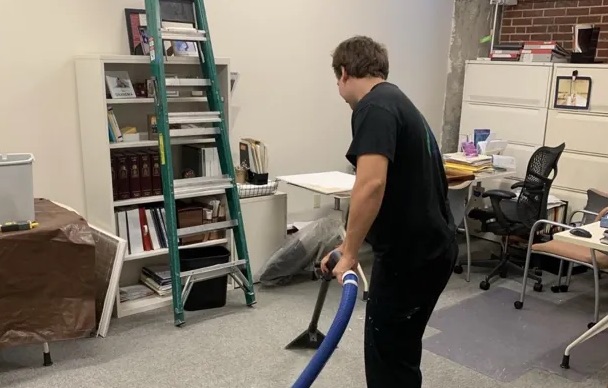
Standing Water Extraction Experts Serving Lansing
When groundwater or appliance failures cause flooding in Lansing, the priority is water removal to salvage floors, drywall, and furnishings.
Businesses in Lansing, Leavenworth, Piper and Basehor lose money while water sits on the floor. Local water extraction pros bring high-capacity pumps and dryers to remove it after roof or plumbing leaks.
Complete Standing Water Extraction Services in Lansing
Flooded Room Drying
For residents in Lansing, effective flooded room drying hinges on professional techniques. Following water removal, targeted drying equipment addresses hidden dampness in walls and subfloors, a key step to return the space to a dry, stable condition.
Appliance Leak Water Removal
Appliance failures often release concentrated water flows. Specialized extraction tools are used to pull water from under units and within confined spaces, containing the leak to its point of origin and protecting surrounding cabinetry and floors.
Emergency Water Pump Out
After major flooding, pumps bring the water level down so drying and cleaning can begin sooner.
Groundwater Flood Extraction
Rising groundwater can flood a home's lower levels quickly. The extraction response involves powerful pumping to evacuate the water, followed by a detailed drying protocol to protect the foundation and slab from persistent moisture.
Post-Flood Sanitization
After extraction, surfaces the water touched are cleaned with antimicrobial solutions so the space is hygienic before people move back in.
Signs Your Property Needs Water Extraction
Commercial Floor Flooding
Water on retail or office floors is a slip hazard and can force a business to close.
Musty Odor in Rooms
A persistent earthy smell often means water is collecting somewhere you cannot see.
Standing Water After Flood
Water still sitting days after a flood needs extraction, drying and sanitizing.
Appliance Leak Pooling
Water pooling around a water heater, washer or dishwasher means the appliance or its hose is leaking.
How Standing Water Extraction Works in Lansing
Step 1: Source Identification and Containment
The process begins by locating the water entry point and stopping the flow, whether from plumbing, appliances, or groundwater.
Step 2: Standing Water Extraction
Pumps and extractors remove the bulk of the water from the basement floor and any rooms above it.
Step 3: Structural Drying and Monitoring
Professional-grade dehumidifiers and air movers create drying conditions, with moisture meters used to verify that materials are drying properly.
Step 4: Documentation for Insurance
Throughout the water extraction service, photos and moisture readings are recorded to support your property damage insurance claim.
Causes of Residential Water Accumulation
Plumbing System Failures
Burst pipes, leaking fittings and failed supply hoses can release large volumes of water fast.
Flash Flooding Events
Sudden flooding from nearby creeks and rivers can put water inside homes quickly.
Appliance Malfunctions and Leaks
Faulty water heaters, washing machines, dishwashers and refrigerators can leak a lot of water before anyone notices.
Foundation Cracks and Seepage
Hairline cracks in concrete foundations let groundwater seep into the basement, especially after heavy rain.
Both Home and Business Standing Water Extraction Available
Residential Standing Water Extraction
Appliance leaks often flood kitchens and laundry rooms. Calling the pros for appliance leak water removal prevents water from spreading to subfloors.
Commercial Standing Water Extraction
For strip malls, offices, or manufacturing sites, standing water removal must be thorough. The pros use extractors and industrial dehumidifiers.
The Risks of DIY Standing Water Extraction in Lansing
After a small leak, open windows and run fans if the weather allows, and clear floor drains you can reach. Water under flooring or in walls needs professional extraction.
Understanding Standing Water Extraction Expenses
For businesses in Lansing, the size of the flooded area and equipment that needs protecting affect the price, as does faster drying to reopen.
Materials Affected
Porous materials like drywall and carpet hold more water and often must be removed, which adds to the job.
Emergency Response Timing
Services needed outside standard hours for flood cleanup may involve different operational costs for the pros.
Area Size and Contamination
Larger flooded areas need more equipment. Water category from clean to contaminated affects the safety protocols and cleanup methods used.
Does Insurance Cover Standing Water Extraction?
Coverage for emergency water pump out hinges on the source of the water. You should review your policy or speak with your agent to understand your specific terms.
Benefits of Local Standing Local Experts
Direct Communication
You receive clear explanations of the standing water removal process and the findings from the initial assessment of your property.
IICRC-Standard Extraction Methods
Pros follow industry drying standards to remove water fully, which helps prevent mold and secondary damage.
Comprehensive Damage Documentation
Detailed photos and moisture logs are created throughout the water extraction service, providing a clear record for your reference and insurance needs.
Emergency Water Extraction for Lansing
Standing water in Lansing? Call (816) 355-6039 24 hours a day to have it removed and drying started before it soaks in.
Call Now (816) 355-6039Standing Water Extraction Coverage Around Lansing
In Lansing, homes and businesses can get standing water removed after storms, leaks and failures. The pros also serve nearby areas like Leavenworth, Piper and Basehor.
- Standing Water Extraction in Leavenworth
- Standing Water Extraction in Piper
- Standing Water Extraction in Basehor
- Standing Water Extraction in Platte City
- Standing Water Extraction in Weatherby Lake
- Standing Water Extraction in Bonner Springs
- Standing Water Extraction in Tonganoxie
- Standing Water Extraction in Edwardsville
- Emergency Damage Restoration in 66043
- Storm Damage Restoration in 66043
- Water Damage Restoration in 66043
- Water Extraction Service in 66043
- Water Leak Detection in 66043
- Water Removal Service in 66043
Standing Water Extraction FAQs
What is involved in emergency water pump out?
Truck-mounted or portable pumps remove large amounts of standing water quickly, which stops it from spreading.
What equipment is used for flooded room drying?
Flooded room drying uses industrial air movers to circulate air, dehumidifiers to remove moisture from it, and moisture meters to track the drying progress of walls and floors.
How quickly should standing water be removed?
Standing water should be removed as soon as possible, ideally within 24-48 hours, to prevent structural damage, mold growth, and the spread of contamination throughout the property.
Should a homeowner ask for help with insurance claims for flood cleanup?
While coverage decisions are made by your insurer, the pros provide detailed documentation of the damage and the restoration process to support your flood damage cleanup claim.
How do the pros find hidden moisture after extraction?
Professionals use non-invasive moisture meters and thermal imaging cameras to detect elevated moisture levels hidden behind walls, under flooring, or in insulation after water removal.