New Century, KS · Johnson County
Sprinkler System Water Removal in New Century, KSBackflow Water Damage Restoration & Broken Sprinkler Head Cleanup
Sprinkler System Water Removal in New Century covers sprinkler pipe leak water removal, backflow water damage restoration and emergency sprinkler leak response after a valve or pipe failure.
Answered 24/7
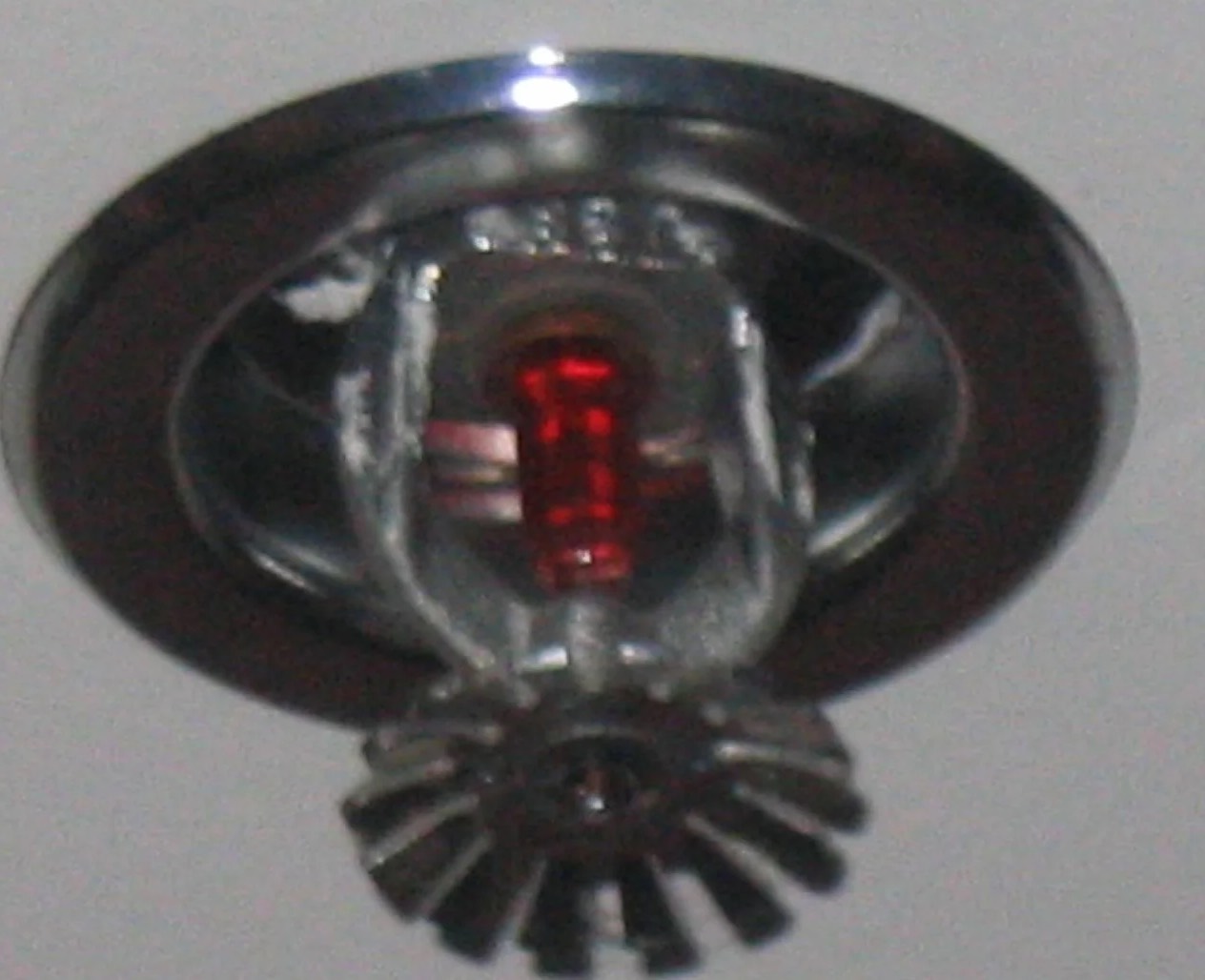
Sprinkler System Water Removal Solutions in Johnson County
Backflow water damage restoration is a specialized need in New Century when contaminated water enters the sprinkler system, posing health risks and killing vegetation.
In New Century and nearby Gardner, Olathe and Spring Hill, a broken irrigation line can flood a yard quickly. Local sprinkler system water removal pros pump out the standing water, then dry the soil and hardscape to stop erosion.
Comprehensive Sprinkler System Water Removal Offerings
Backflow Water Damage Restoration
Backflow incidents can introduce contaminated water into your sprinkler system and surrounding area. Restoration here goes beyond water removal to include cleaning and sanitizing affected surfaces according to industry standards.
Broken Sprinkler Head Cleanup
Malfunctioning sprinkler heads leave water and sediment on patios or garden beds.
Sprinkler System Water Extraction
Rapid water extraction limits sprinkler leak damage. The pros remove water from lawns and hardscapes, preventing seepage into foundations with industry-standard methods.
Landscape Water Damage Repair
After the water is removed, the pros check the areas near the house for soaked soil and wet walls, and a landscaper can handle plants and beds.
Sprinkler Pipe Leak Water Removal
Leaks from sprinkler pipes, often buried, can cause persistent dampness and soil saturation. Water removal for pipe leaks targets the source, requiring excavation or access to remove the waterlogged soil and repair the area.
Indicators of Sprinkler System Water Damage in New Century
Constantly Running Water Meter
The meter moving when all water is off confirms a leak, requiring emergency sprinkler leak response.
Backflow Device Discharge
Water dripping or spraying from the backflow preventer means the device has failed.
Landscape Features Shifting
Pavers, edging or small walls starting to tilt can mean a major leak has washed out the soil under them.
Water Pooling on the Surface
Standing water in the yard after the system runs means more water is going out than the soil can absorb, often from a broken line.
How Sprinkler System Water Removal Works in New Century
Step 1: On-Site Flood Evaluation
The pros in New Century assess the irrigation system flood removal scope, identifying the leak source and all impacted zones.
Step 2: Surface Water Removal
Powerful pumps remove the pooled water on the surface first, starting at the lowest spots.
Step 3: Subsurface Moisture Mitigation
For underground saturation, the pros use injection drying systems to pull moisture from the soil, preventing foundation issues.
Step 4: Final Verification and Cleanup
The site is verified as dry, and any displaced soil or debris from the sprinkler leak cleanup is neatly restored.
Why Sprinkler Systems Fail in New Century
Accidental Digging or Strikes
Gardening, construction, or digging can sever underground lines, resulting in an emergency sprinkler leak response situation.
Frozen or Burst Sprinkler Pipes
Winter freezing can crack sprinkler pipes, and the flooding starts once they thaw.
Corroded or Aged Piping
Old, corroded sprinkler lines develop pinhole leaks that slowly saturate the soil.
High Water Pressure
Excessive system pressure stresses joints and pipes, increasing the risk of failures that flood the yard or nearby rooms.
Both Residential & Commercial Sprinkler System Water Removal
Residential Sprinkler System Water Removal
At home, drying the soil after a sprinkler leak saves lawns and beds from root rot. Pros remove excess water and help the landscape recover.
Commercial Sprinkler System Water Removal
On commercial grounds, drying after a flood protects costly sod, shrubs and irrigation equipment from decay, and returns the grounds to a presentable condition.
Professional Sprinkler System Water Removal or DIY Repair in New Century
Checking your water meter to confirm a leak is a useful diagnostic step you can perform. Interpreting the results and executing the subsequent sprinkler pipe leak water extraction is a job for the pros with the right tools.
Pricing for Sprinkler System Water Removal Near New Century
Estimating sprinkler pipe leak water removal cost in Johnson County involves assessing pipe access difficulty and the area of waterlogged soil.
Emergency Service Timing
Sprinkler leak response during nights, weekends, or holidays typically incurs a premium for the mobilization of pros.
Water Contamination Level
Backflow incidents involving contaminated water require specialized cleanup and disposal methods, increasing the restoration project's overall expense.
Drying and Verification Time
Monitoring soil moisture after extraction until it is dry adds time to the job and to the cost.
Does Insurance Cover Sprinkler System Water Removal?
For backflow water damage restoration, insurance may cover the damage if the backflow was sudden. The pros will document contamination levels and all affected areas. You provide this evidence to your insurance company for their evaluation.
Advantages of Hiring Sprinkler System Water Removal Pros in New Century
Contaminated Water Protocols
Safe handling and disposal procedures are used for backflow incidents, addressing health risks from non-potable water in your yard.
IICRC-Standard Water Extraction
Pros follow industry standards to remove water from soil and hardscapes so moisture does not keep damaging landscaping and foundations.
Coordinated Drying Strategies
A plan for air movement and dehumidification addresses residual dampness in affected areas to halt secondary damage.
Urgent Sprinkler System Water Removal Availability Near New Century
A broken sprinkler line can flood your yard quickly. For immediate sprinkler system water extraction in New Century, contact the pros at (816) 355-6039. Quick action helps control water damage to your landscape and home's foundation.
Call Now (816) 355-6039Kansas Communities Served for Sprinkler System Water Removal
Landscape water damage repair from sprinkler issues affects homes in New Century and the broader region. The pros service New Century and communities like Gardner, Olathe and Spring Hill to restore outdoor areas.
- Sprinkler System Water Removal in Gardner
- Sprinkler System Water Removal in Olathe
- Sprinkler System Water Removal in Spring Hill
- Sprinkler System Water Removal in Edgerton
- Sprinkler System Water Removal in Clearview City
- Sprinkler System Water Removal in De Soto
- Sprinkler System Water Removal in Hillsdale
- Sprinkler System Water Removal in Lenexa
- Emergency Damage Restoration in 66031
- Storm Damage Restoration in 66031
- Water Damage Restoration in 66031
- Water Extraction Service in 66031
- Water Leak Detection in 66031
- Water Removal Service in 66031
Sprinkler System Water Removal Common Questions in New Century
What is the risk of delaying sprinkler valve leak cleanup?
Delay allows water to undermine walkways, patios, and garden beds. It can also lead to mosquito breeding and root rot in plants.
How is landscape water damage repair handled?
After water removal and drying, repair assesses damaged sod, plants, and mulch. The pros can coordinate replacement of these elements to restore a yard's appearance and function.
What happens during broken sprinkler head cleanup?
After capping the line, the pros remove water pooled at the surface and assess soil saturation. They may aerate or tarp the area to facilitate drying and prevent a muddy, damaged yard.
Can I handle sprinkler water damage myself?
Small puddles from a single head may be manageable. For significant flooding, soil saturation, or backflow, professional water extraction equipment and drying techniques are needed to prevent hidden damage.
Does irrigation system flood removal include drying?
Yes. After extraction, the focus shifts to irrigation system drying. This may involve using air movers across wet surfaces and monitoring soil moisture until it returns to acceptable levels.