Smithville, MO · Clay County
Septic Tank Backup Water Removal in Smithville, MOSeptic Tank Backup Water Extraction & Septic Backup Odor Removal
Septic Tank Backup Water Removal in Smithville is a specialized task to protect a home from sewage, involving septic tank backup water extraction, septic backup odor removal and septic system water damage repair.
Answered 24/7
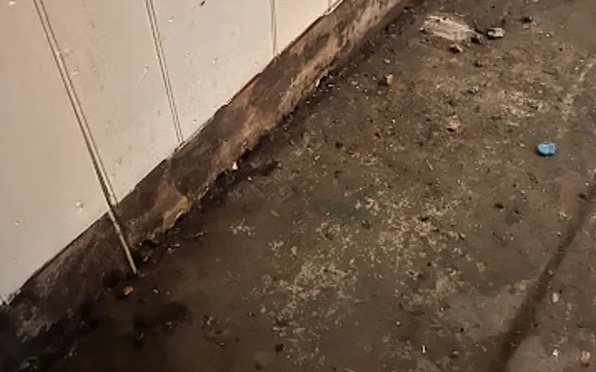
Local Septic Tank Backup Water Removal Solutions in Smithville
Sewage backup removal in Smithville is not a typical cleanup job; it involves handling biohazardous material that demands specialized equipment and protocols. The overflow can cause long-term water damage and persistent odors if not addressed correctly by experts.
Septic tank backup water removal services in Smithville are vital for homes that rely on septic systems, which can fail due to blockages or heavy use. Properties in nearby areas like Platte City, Gladstone and Kearney also face similar risks from septic overflows.
The Septic Tank Backup Water Removal Process in Smithville
Septic Tank Backup Water Extraction
Thorough septic backup water extraction is a priority for septic backup water extraction experts in Smithville to protect your home's foundation and air quality. The process targets all standing water before advanced drying begins.
Septic Backup Odor Removal
Local restoration pros tackle septic backup odors by treating affected structural materials and deodorizing the air. Effective odor removal is a key final step before reconstruction can be considered complete.
Septic Tank Drain Backup Cleanup
The experts use equipment designed to handle the challenging nature of this contaminated water. This specialized cleanup addresses the solids and organic waste that have backed up into drains.
Emergency Septic Backup Response
For a septic backup emergency, the pros respond day or night to start the extraction and cleanup process.
Septic Backup Flood Water Removal
The experts respond 24/7 with industrial-grade equipment for septic backup water extraction. Removing the flood water stabilizes the property.
Symptoms Requiring Septic Tank Backup Water Removal
Sewage Backup in Toilets or Drains
Slow drainage or gurgling sounds from fixtures often indicate a septic tank backup. Wastewater may rise in toilets, sinks, or floor drains during use.
Foul Odors Near the Drain Field
Persistent sewage smells around your yard or near plumbing fixtures signal a potential septic system overflow. These odors often worsen after water use.
Wet Spots or Soggy Ground Outside
Damp, lush or spongy patches in the yard near the septic tank can mean the tank is backing up.
Sewage Backup in Bathtub or Shower
Wastewater surfacing in tubs or showers, particularly on lower floors, is a dire warning of a main line septic backup cleanup emergency.
How Septic Tank Backup Water Removal Works in Smithville
Step 1: Septic Overflow Response
Local pros respond day or night and assess how far the septic water has spread.
Step 2: Septic System Water Removal
Extraction equipment removes the contaminated liquid quickly and limits the health hazard.
Step 3: Comprehensive Sewage Cleanup
Sanitizing and odor removal follow, so the space is fully decontaminated before drying.
Step 4: Repair and Documentation
The damage is documented for your insurer, and repairs address any structural harm from the backup.
Reasons for Sewage Backup in Smithville
Full or Failing Septic Tank
A tank at capacity cannot accept new wastewater, causing immediate backups into your home. Regular pumping prevents this common septic tank backup cause.
Clogged Inlet or Outlet Baffles
Blockages at the tank's entry or exit points prevent proper flow. This disruption is a frequent reason for septic tank water extraction calls.
Excessive Water Usage Overloading System
Too much water entering the tank at once can overwhelm it and send sewage back into the home.
Root Infiltration Into Sewer Lines
Tree roots seeking moisture can crack and block pipes, and the backup gets worse over time.
Septic Tank Backup Water Removal for Any Property in Smithville
Residential Septic Tank Backup Water Removal
Sewage smell can linger in a home after a septic backup. After cleanup, the pros remove the source, use air scrubbers and seal stained surfaces if the odor stays.
Commercial Septic Tank Backup Water Removal
For hotels or rental properties, a septic backup threatens reputation and revenue. Septic system water damage repair professionals work to rectify the plumbing issue and restore guest rooms or common areas with minimal downtime and thorough sanitization.
Handling a Septic Backup: DIY Risks in Smithville
After professionals have extracted the water, you can assist with the drying process by maintaining a warm, dry environment if advised. Do not replace flooring or drywall until moisture readings confirm it's dry.
Factors Affecting Septic Tank Backup Water Removal Cost in Smithville
Cost depends on how much water must be extracted and whether the drain line to the tank also backed up.
Required Water Extraction
The amount of sewage to remove sets the number of pumps and the time needed on site.
Odor Removal Needs
Persistent septic backup odors often need advanced air scrubbing and sealing techniques, which require additional equipment and time to address effectively.
Affected Materials
Porous materials like drywall or flooring that absorb septic water may require removal and disposal, adding to the project's scope and expense.
Does Insurance Cover Septic Tank Backup Water Removal?
When filing a claim for septic line backup water removal, your insurer will assess the cause and the documentation provided. The pros create detailed reports to assist in that evaluation process.
Selecting Local Experts for Septic Tank Backup Water Removal in Smithville
24/7 Emergency Response
Septic backups demand immediate attention; the experts are available around the clock for emergency septic backup response calls.
Detailed Damage Documentation
Photos, moisture readings, and detailed notes are compiled for your septic water damage documentation to support insurance communications.
Containment Protocols
Work areas are sealed off so sewage is not tracked into clean rooms during the cleanup.
Round-the-Clock Septic Tank Backup Water Removal in Smithville
A septic tank backup is a serious health hazard and needs cleanup. For an emergency response in Smithville, contact the experts at (816) 355-6039 any time, day or night.
Call Now (816) 355-6039Septic Tank Backup Water Removal Near Smithville: Areas Served
In Smithville, septic backups are cleaned up by the pros, who also serve nearby places such as Platte City, Gladstone and Kearney.
- Septic Tank Backup Water Removal in Platte City
- Septic Tank Backup Water Removal in Gladstone
- Septic Tank Backup Water Removal in Kearney
- Septic Tank Backup Water Removal in Weatherby Lake
- Septic Tank Backup Water Removal in Liberty
- Septic Tank Backup Water Removal in Excelsior Springs
- Septic Tank Backup Water Removal in Lansing
- Septic Tank Backup Water Removal in Kansas City
- Emergency Damage Restoration in 64089
- Storm Damage Restoration in 64089
- Water Damage Restoration in 64089
- Water Extraction Service in 64089
- Water Leak Detection in 64089
- Water Removal Service in 64089
Septic Tank Backup Water Removal FAQ for Smithville
What's the risk of untreated septic tank drain backup?
Untreated backups pose significant health risks from bacteria and viruses, cause permanent structural damage, and lead to pervasive mold infestations, greatly increasing repair costs later.
What does septic overflow decontamination involve?
The process uses EPA-registered disinfectants and antimicrobial cleaners on all affected surfaces to kill bacteria and viruses, ensuring the area is sanitized and safe for reoccupation after the cleanup.
What causes a septic tank flooding incident?
Common causes include a full tank, a clogged drain field, pipe blockages or heavy rain overwhelming the system.
Why is septic water damage documentation important?
Photos and moisture readings create a record for your insurance claim that shows the extent of the loss.
What happens during septic tank water extraction?
Powerful submersible pumps and truck-mounted extractors are used to remove the bulk of the contaminated liquid from the property, which is the first critical step in the restoration process.