Lane, KS · Franklin County
Roof Leak Water Removal in Lane, KSLeak Source Identification & Attic Water Extraction
Roof Leak Water Removal in Lane includes emergency roof tarping, ceiling water damage cleanup, wall cavity drying and wet contents protection.
Answered 24/7
Roof Leak Water Removal in Lane, KS
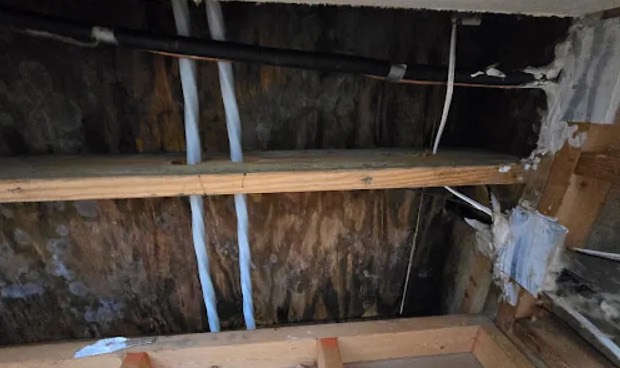
In Lane, roof leaks tend to show up during or right after heavy rain, when water finds a worn shingle, a cracked boot or loose flashing.
Roof leak water removal is available in Lane and nearby Rantoul, Osawatomie and Princeton. The pros tarp the opening if needed, extract the water and dry the attic framing and ceiling drywall.
Roof Leak Water Removal Services in Lane
Leak Source Identification
The pros follow the water trail from the stain up through the attic to the decking, flashing or vent where rain is getting in, and note it for the roofer.
Attic Water Extraction
Water that pools on attic floors, vapor barriers or ceiling drywall is pulled out with wet vacuums and portable extractors before it soaks through to the room below.
Wet Insulation Removal
Soaked batts and blown insulation hold water against the ceiling and framing for weeks. The pros bag and remove it so the attic can dry.
Wall Cavity Drying
Water that follows a top plate or a pipe chase can soak insulation inside a wall. Moisture meters find it, and air is pushed into the cavity to dry it.
Structural Drying Services
Wet framing in Lane attics is dried with directed airflow and dehumidification. Daily readings show when the wood is dry enough for repairs.
How to Tell Water Is Coming Through the Roof
Dripping From a Light Fixture
Water dripping from a light or ceiling fan means it has pooled above the ceiling. Turn off that circuit and keep people clear.
Wet or Flattened Insulation
Insulation that is matted, stained or damp to the touch in the attic means rain is getting past the roof deck.
Daylight Through the Roof Deck
Light showing through the decking from inside the attic marks a gap where rain can come straight in.
Damp Baseboards on Exterior Walls
Wet or swelling baseboards under a ceiling stain mean water has traveled down the wall cavity from the attic.
How Roof Leak Water Removal Works in Lane
Step 1: Find Where the Water Enters
The pros trace the water from the stain up into the attic to locate the entry point and note it for the roofer.
Step 2: Measure the Wet Area
Moisture meters and a thermal camera show how far the water spread across the attic, ceiling and walls.
Step 3: Extract and Remove
Standing water is removed, and drywall or insulation that is too wet to dry in place is cut out.
Step 4: Dry and Verify
Drying equipment runs until readings in the wood and drywall match dry areas of the house, and the results are recorded.
Where Roof Leaks Start in Lane
Storm Debris and Hail
Falling branches and hail can crack shingles or puncture the deck, opening a direct path for rain into the attic.
Clogged Gutters
Leaves and debris in gutters make water back up at the roof edge, where it seeps under shingles and into the soffit and walls.
Nail Pops and Old Penetrations
Nails that back out and holes left from old dishes or antennas open small paths for water that grow with each storm.
Attic Condensation
Warm, humid indoor air meeting a cold roof deck in winter forms frost and drips that can look like a leak and soak insulation.
Residential and Commercial Roof Leak Water Removal in Lane
Residential Roof Leak Water Removal
Persistent roof leaks can rot rafters and roof decking. The pros dry the framing and point out any wood that looks soft so the roofer can replace it.
Commercial Roof Leak Water Removal
In multi-tenant buildings, water from one roof leak can reach several floors. The pros trace it down through each level and dry every space it reached.
When a Roof Leak Is Too Big for DIY
Do not poke a sagging ceiling to drain it yourself. The drywall can drop all at once, along with wet insulation and a lot of water.
What Drives Roof Leak Cleanup Cost in Lane
A single stain over one room costs far less to dry than a leak that soaked the attic for weeks. Tarping, insulation removal and drywall cuts each add to the total.
Attic Access
Low, tight attics with little floor to stand on take longer to work in than open attics with a walkway.
Emergency Tarping
If the roof needs a tarp before drying can start, the materials and labor for that step add to the bill.
Ceiling Drywall
Ceilings that can be dried in place cost less than ones that sag or crumble and have to be cut out and replaced.
Does Insurance Cover Roof Leak Water Removal?
Insurance may pay for water removal and drying after a covered roof leak, while the roof repair is handled under different terms. Check your policy and deductible.
Why Call Local Pros for Roof Leak Water Removal in Lane
Finding Hidden Water
Thermal cameras and moisture meters find wet insulation and wall cavities that are not visible from the room below.
Drying to Measured Targets
Drying stops only when meters show the wood and drywall are dry, not when the surface looks dry.
Contents Moved Out of Harm
Belongings under the leak are moved, covered or dried so they do not keep soaking while the attic is worked on.
24/7 Emergency Roof Leak Water Removal in Lane
Roof leaks get worse with every hour of rain. Call (816) 355-6039 any time for tarping, attic extraction and drying in Lane.
Call Now (816) 355-6039Roof Leak Water Removal Near Lane: Areas Served
Roof leak water removal is available in Lane and nearby Rantoul, Osawatomie and Princeton. The pros tarp, extract and dry attics and ceilings after storms.
- Roof Leak Water Removal in Rantoul
- Roof Leak Water Removal in Osawatomie
- Roof Leak Water Removal in Princeton
- Roof Leak Water Removal in Fontana
- Roof Leak Water Removal in Paola
- Roof Leak Water Removal in Ottawa
- Roof Leak Water Removal in Williamsburg
- Roof Leak Water Removal in Wellsville
- Emergency Damage Restoration in 66042
- Storm Damage Restoration in 66042
- Water Damage Restoration in 66042
- Water Extraction Service in 66042
- Water Leak Detection in 66042
- Water Removal Service in 66042
FAQ: Roof Leaks, Attics and Ceilings
Will water removal fix my roof?
No. Water removal dries the inside of the house. The pros can tarp the opening, but a roofer must replace shingles, flashing or decking.
What should I do first when I find a roof leak?
Catch drips, move belongings away, turn off power to wet fixtures and take photos. Then call (816) 355-6039 to have the water removed and the attic dried.
What happens after the water is removed?
Drying equipment runs and the pros take readings until the attic and ceiling are dry. Then the roofer and drywall repairs can go ahead.
Can a roof leak cause mold in the attic?
Yes, if the wood and insulation stay wet. Prompt extraction and drying, plus removing soaked insulation, keep the attic from staying damp long enough for mold.
Does every roof leak lead to mold?
No. Mold needs materials to stay wet for a day or more. When water is removed and the attic is dried promptly, mold usually does not take hold.