Kansas City, KS · Wyandotte County
Residential Water Removal in Kansas City, KSWater Damage Restoration & Wet Carpet Drying
Expert Residential Water Removal in Kansas City, including broken pipe water cleanup, water damage restoration process, and moisture inspection.
Answered 24/7
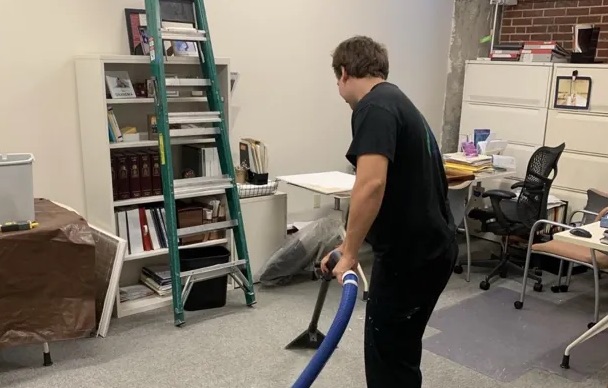
Professional Residential Water Removal in Kansas City, KS
Water damage in a Kansas City home can spread quickly and affect the air and building materials. Local water damage pros extract water any time, day or night.
In Kansas City and neighboring locales like Westwood, Roeland Park and Parkville, residential water removal covers both visible flooding and hidden moisture. The pros extract water and dry what it reached.
Residential Water Removal Methods Used in Kansas City
Water Damage Restoration
After extraction, restoration covers drying, sanitizing and repairs. Pros check moisture in wood and drywall until it returns to normal.
Wet Carpet Drying
Saturated carpet and padding can trap moisture, risking mold and rot. The process uses extraction wands to pull water from fibers, followed by air movers and dehumidifiers for thorough drying.
Moisture Inspection
A moisture inspection is a standard step after water removal. Moisture meters and thermal imaging help map water migration, so the drying plan addresses all affected materials.
Structural Drying Services
Water trapped in studs, concrete and drywall is drawn out with dehumidifiers and directed airflow, so materials do not warp or fail later.
Broken Pipe Water Cleanup
Pipe failure cleanup involves more than just mopping up water. It requires removing soaked drywall or insulation to access and dry the cavity, preventing hidden rot and mold.
Signs Your Kansas City Home Needs Water Extraction
Increased Humidity Inside the Home
A general feeling of damp air or windows constantly fogging up can be a sign of widespread moisture issues.
Sagging or Stained Ceilings
Ceilings that droop or have large water stains signal a leak from above.
Water Stains on Walls or Ceilings
Discolored patches or rings on drywall or ceilings can point to an ongoing leak behind them.
Dampness or Condensation on Surfaces
Persistent damp spots on walls, windowsills or baseboards suggest high humidity levels and potential hidden water damage.
How Residential Water Removal Works in Kansas City
Step 1: Initial Assessment and Water Removal
The process begins with a thorough evaluation of the water damage, followed by immediate use of extractors for flooded basement water removal and other affected zones.
Step 2: Wet Carpet Drying and Content Management
Specialized equipment lifts moisture from carpets and padding, while movable contents are relocated to a dry area for cleaning and drying as needed.
Step 3: Controlled Drying Environment Setup
The experts set up a contained drying system with air scrubbers and dehumidifiers to systematically dry the structure, monitoring progress with sensors.
Step 4: Final Verification and Documentation
Before concluding, pros verify all materials have reached a dry standard and provide detailed documentation of the work for you and your insurance review.
Typical Reasons for Residential Water Removal Calls
Appliance Malfunctions and Failures
Water heaters, washing machines, dishwashers and refrigerators can leak or overflow, causing significant water damage.
Foundation Cracks and Seepage
Hydrostatic pressure from saturated soil can force groundwater through cracks in your home's concrete foundation.
Clogged or Backed-Up Sewer Lines
Blockages in main sewer drains or septic systems can cause contaminated water to back up into basements.
Natural Disaster Flood Waters
River overflows, canal breaches or sudden dam releases can flood properties in a few hours.
Kansas City Residential Water Removal for Residential and Commercial Needs
Residential Water Removal
Homes can have wet carpet, damp basements and soaked belongings. The pros remove the water, handle family items with care and record the damage for your claim.
Commercial Water Removal
In stores and offices, the pros deal with slip hazards, wet wiring and equipment near the water, so the business can reopen sooner.
Why DIY Water Removal Falls Short in Kansas City
For minor dampness, you can use a dehumidifier to help reduce ambient humidity in the affected room. Keep the area as dry as possible with towels and fans until professional help is on site.
Cost Considerations for Residential Water Removal in Kansas City
Water removal cost in Kansas City depends on whether carpet must be dried or removed and how much structural drying is needed.
Equipment and Labor
The number and type of industrial-grade extractors, dehumidifiers, and air movers deployed, along with skilled labor, factor into pricing.
Water Volume and Source
The amount of water and whether it's from a clean or contaminated source directly influences the scope and cost of the extraction work.
Material Damage Level
Costs adjust based on the extent of damage to materials like drywall, flooring, or personal contents needing restoration or removal.
Does Insurance Cover Residential Water Removal?
Coverage for residential water removal in Kansas City depends on the specific insurance policy and the cause of the water damage. The pros can document all damage with photos and moisture readings for a homeowner's claim, but the final coverage decision belongs to the insurer.
The Value of Local Residential Water Removal Experts
Focused Flood Cleanup
Basement flooding is handled with dedicated pumps sized for high water volumes.
Advanced Moisture Detection
Thorough moisture inspection and mapping with specialized tools finds hidden dampness that could lead to mold or rot.
Detailed Damage Documentation
The pros document the damage scene meticulously, creating a clear record that can be useful for insurance purposes.
Kansas City Emergency Water Removal Services
Found a water leak spreading across your floors? Call (816) 355-6039 for 24/7 help in Kansas City to start extraction and protect the home.
Call Now (816) 355-6039Residential Water Removal for Kansas City, Westwood, Roeland Park and Parkville
For water damage in Kansas City and surrounding areas such as Westwood, Roeland Park and Parkville, the work focuses on water extraction and full structural drying.
- Residential Water Removal in Westwood
- Residential Water Removal in Roeland Park
- Residential Water Removal in Parkville
- Residential Water Removal in Mission
- Residential Water Removal in Fairway
- Residential Water Removal in Edwardsville
- Residential Water Removal in Shawnee
- Residential Water Removal in Merriam
- Emergency Damage Restoration in 66101
- Storm Damage Restoration in 66101
- Water Damage Restoration in 66101
- Water Extraction Service in 66101
- Water Leak Detection in 66101
- Water Removal Service in 66101
- Emergency Damage Restoration in 66102
- Storm Damage Restoration in 66102
Residential Water Removal Information and Answers
Is water mitigation different from water damage restoration?
Water mitigation means the first steps that stop further damage, such as extraction and drying.
Why is mold prevention after water damage important?
Mold can begin growing within 24-48 hours on damp materials. Proactive antimicrobial treatment during drying helps prevent this secondary health and damage risk.
What is the first step in residential water removal?
The immediate priority is emergency water extraction to remove standing water, which quickly reduces damage and allows the drying process to begin effectively.
What is structural drying services?
This is the controlled drying of building materials like drywall, framing, and subflooring using air movers and dehumidifiers to restore them to a dry state.
How long does the water damage restoration process take?
Drying times vary widely based on moisture levels and materials affected, but thorough structural drying often requires several days of continuous equipment operation.